
SaaS, Media & Messaging
How does YouTube Make Money? Understanding YouTube Business Model

Ever wondered what triggered Chad Hurley, Steve Chen & Jawed Karim, former employees of PayPal, to create the monster that the YouTube has become today? Well, as admitted by Karim, it was the Janet Jackson wardrobe malfunction at Super Bowl & Tsunami later that year that inspired them to present the idea that there must be a central space on the internet to share & view all kinds of videos. As fascinating as it sounds, the idea received a capital of about $11.5 million straight away from Sequoia Capital back in 2005. A few months later, Karim uploaded the first ever YouTube video named “Me at the Zoo”.
After contacting major companies to put their content on their platform, soon they had views numbering in millions. This was a peak time for tech giant & biggest search engine Google. Just a year after its invention, with merely 65 employees, Google acquired the YouTube for a whopping $1.65 billion & ended the long-running headache of a question that is how does YouTube make money. While its growth is a history, we take a look at the business model they followed in the past & the changes they brought to make it the giant it is today.
YouTube history in brief
After Google's acquisition, the website picked up a massive popularity. They had a tech giant as their parent now. Rightfully, they were the first platform to introduce HD streaming. In 2009, they launched a 1080p resolution along with partnering with many TV channels that aired their shows on YouTube for viewers to see at any time. But it was 2010 when they first launched ads and this was how everyone came to know how does YouTube make money. Starting from a video streaming website, the YouTube had now started to challenge TV in terms of viewership. This meant that they had to follow the same monetizing plan as the TV channels - the advertisements. YouTube quickly recognized the emergence of vloggers on their website. In order to get new and creative content, they had to attract the content creators. So they introduced monetizing for content creators based on the ads that would pop up on their videos. This is how it worked. How does YouTube make money had a lot to do with the content they were serving on the platform so they kept a certain minimum requirement of viewership for any video. Once that number of viewership was reached, they allowed ads to pop up in that video and some share of that advertisement money would now go to the content creator as well. This was financial trading. Many trade pundits call this as a masterstroke as they didn’t have to pay anything from their pockets. Since the viewership was massive, content creators started to focus on putting their art on YouTube. It was impossible for many artists to get featured on TV or in movies but relatively easy to get viewed by millions of people through the YouTube. YouTube paved way for careers of artists like Canadian singer Justin Bieber & Korean pop-rap artist PSY. The latter’s video “Gangnam Style” was the first ever video to receive 1 billion views. The language played no hurdle in the popularity of this song; such was the impact of YouTube. By 2007, YouTube launched a partner program to encourage original content creators by paying them the handsome amount for their content. As per a report in The New York Times, some content creators were earning in six figures. In the late 2000s, almost everyone wanted to jump on to YouTube including celebrities, artists, political parties & TV channels.How does YouTube work?
YouTube is an online capital of all kinds of videos. You can create an account on YouTube or affiliate your ongoing Google (Gmail) account to create or upload content on YouTube. Based on what you have watched and based on what you have liked or shared on YouTube, it shows you suggested videos on the homepage timeline. You can search for anything right at the top of the screen on the search bar. Let’s see how does YouTube work. As of now, YouTube gives us five tabs on the app to optimize the experience.- Home: Home is the home page timeline where all the suggested videos are placed. These suggestions are based on what we have previously seen, liked, commented, subscribed or shared. Note that if you like particular uploaders, you can subscribe their channels & their videos will be placed at priority on your home and you will also be notified for any new content they upload on YouTube.
- Trending: This section is like a discovery. Trends are made out by the number of likes and views. All the most viewed and most liked videos are placed here. Trends differ based on your selection of location.
- Subscription: This tab shows all the content from the profiles you have subscribed to. This is a filtered timeline which only shows a list of videos from people you have subscribed.
- Inbox: Inbox is like a mailbox where all your messages and notifications are stored. You may get messages or notifications if someone replies to your comment on some video or if someone shares or comments on a video you have uploaded. Inbox is your one-stop tab for all the activities and notifications on your profile.
- Library: This is where all your offline videos are stored. Back in 2014, YouTube offered users to download their favourite videos and store it on the YouTube app/webpage itself. You can watch these downloaded videos without any internet connection.
How does YouTube make money?
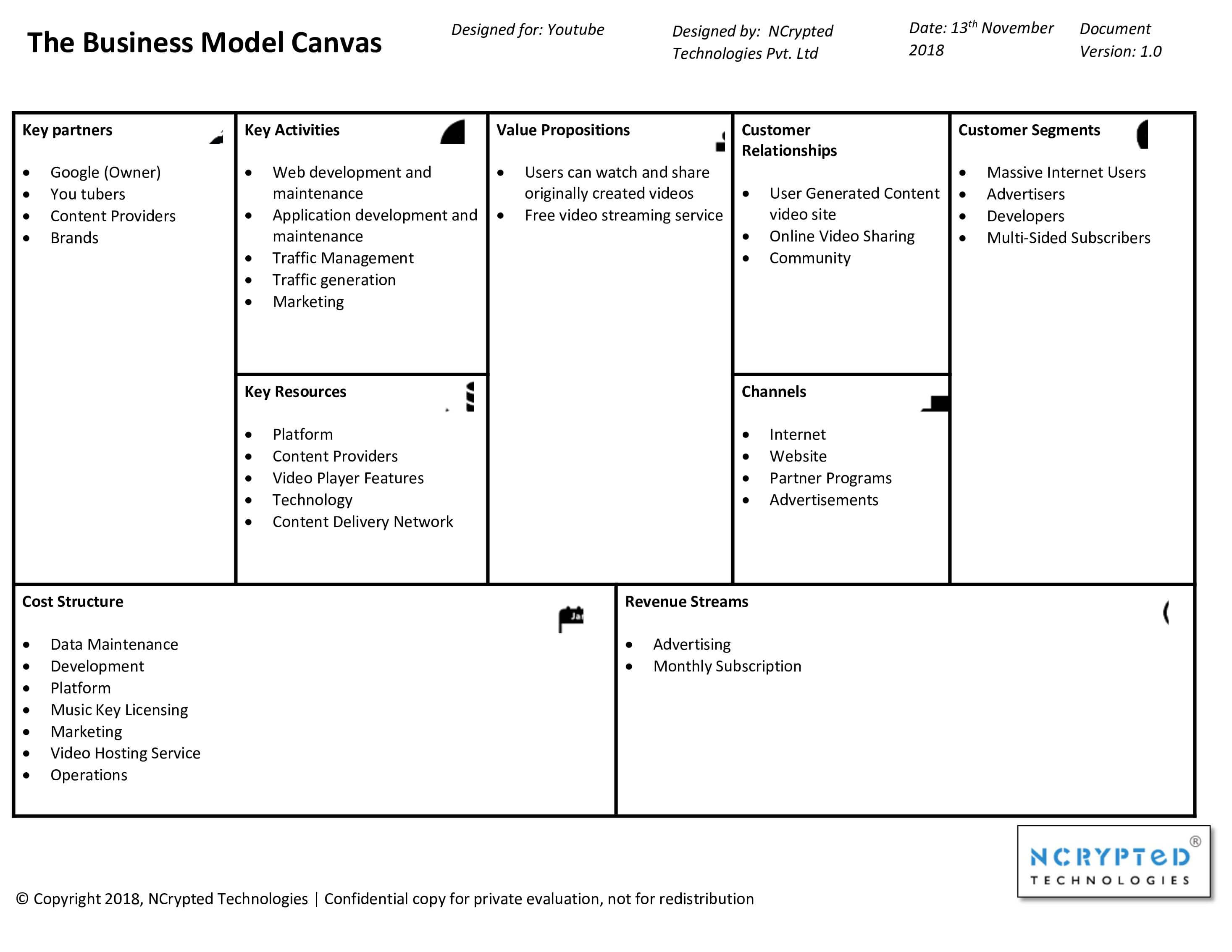
According to an online marketer Troy Draves, YouTube spends an average of $0.30 to $4.00 for every 1000 views. Basically, clickbait is the way how YouTube makes money. They pay through YouTube Adsense & one needs to have a minimum billing of $78 to receive the first payment. If the number of viewers is less, they pay a low amount of money per thousand views. If you have views in millions for your video than YouTube can pay you up to $4.00 per thousand views. In order to control the piracy, YouTube has made their rules very strict. The content has to either be 100% original or you must have rights to share that content if it’s not from you. If things fall into place, the content creator gets paid a hefty amount. For anyone wondering how does YouTube make money, it’s very simple. Most of their revenue is generated through ads. Based on the demographic & geographic data of the viewers, YouTube puts relevant ads on their home screen as well as in the video. They are called sponsored ads & embedded ads. Former pop up on the home screen or on top of our search list & the latter pops up in our player between or in the middle of our video streaming. There are some general ads that include many top companies & brands. Another source of their income for YouTube is through a feature called YouTube red. Initially called Music Key, this is a premium subscribing based feature that offers ad-free streaming of videos along with selected premium content that some selected creators partnering with YouTube have created. This is exclusive & original content, much like the Netflix concept. Along with this feature, it also gives you continuous background play when you switch the app or when your screen is locked. This is available in selected regions only & costs $10 per month. Another top feature from the YouTube is its TV service called the YouTube TV. YouTube has partnered with top American TV channels like ABC, NBC, Fox, ESPN, Disney and many more, to show live streaming of their TV channels on YouTube. For now, this feature is only limited to US subscribers for a flat fee of $35 per month and it massively influences how does YouTube make money. One would believe that being the most viewed app in the world, YouTube must be making lots of money. While they have made close to $9 billion in revenue in last 3 years, the CEO Susan Wojcicki at the Fortune Magazine Summit in 2016 said that there is no timeline set for YouTube’s profitability & that the platform is still in the investment phase. This could be due to their very premium partnerships. While the original content creators keep adding value to YouTube, all the channels & music labels cost a lot of royalty. Most of their revenue is sucked up in paying these royalties.Youtube Business Model Canvas
YouTube Business Model
YouTube Red has received a very overwhelming response globally. While they are yet to launch it in parts of Europe & most parts of Asia, the current benefits of that feature are very happy to pay an amount for the uninterrupted content and contribute to how does YouTube make money. Although most of the content on YouTube is for free, they are planning to implement the Netflix type strategy in the YouTube business model where they can offer exclusive partnered content to only premium subscribers that non-premium subscribers won’t get. This could be one of the solutions to their financial problems. The success of it is entirely based on the content they produce and it’s needless to say that to produce world-class content, they have to first spend a lot. The current bidding for keywords is generating a lot of buzzes as well. Bidding for keywords is a bidding process in which YouTube accepts bids for titles of their videos. Why do people bid to grab titles instead of simply using those words? Well here’s how it works. If you type some words in any google powered search bar, you will see suggestions popping down in the scroll down below. This happens on YouTube as well. So if you want the name of your video to pop right up as soon as someone writes the initial words of that title, you have to bid an amount for that. The best bidder gets the title. This is a very useful feature for the “how to” videos. Another way of going forward in addressing how does YouTube make money is to stream live content on YouTube. In March 2010, YouTube partnered with broadcasters & Board of Control of Cricket in India to stream the entire Indian Premier League tournament live on their website. This was the first time a major sporting tournament was streamed live on YouTube. There are many sporting & entertainment events that YouTube is planning to partner with & stream live. Streaming has indeed changed the way people cater & receive entertainment. More & more content creators are diverting themselves to the likes of Netflix & Amazon prime instead of conventional TV & movies. There’s a whole world of podcasts that are also available on these platforms. While the challenge for YouTube is to attract top creators to their platform instead of going to other platforms, the answers to how does YouTube make money are only going to get difficult. Google has admitted that they’ll make the premium segment available to the audience worldwide instead of limiting to a few regions only as they are planning to produce more & more exclusive content on their platform. While YouTube continues to be the highest paying employer, maybe the near future will finally make them a profitable company at last.How to Start a Website Similar to Youtube?
If you are attracted with the facts and figures of YouTube and also want to start a similar Website like YouTube then take a look at a customizable ready-to-go YouTube clone script for your start-up.Share your thoughts with us!
What is your opinion regarding the article on Insights into YouTube Business Model & how does YouTube make money? Tell us in the comment section below. You may like to read Netflix Business Model
Keep reading
Related guides
 SaaS, Media & Messaging
How Does Online Video Conferencing Platform Zoom work?
The human race has always innovated, in a relatively short time went from sending letters through post box to creating a smartphone app to remote connectivity. Technology progress will...
Read guide SaaS, Media & Messaging
How does WhatsApp Work? Insights into the World's Most Popular Messaging App
Communication and messaging have taken a revolutionary change in the last decade. The internet and various social media platforms have made it easier for us to connect. It has also...
Read guide SaaS, Media & Messaging
LinkedIn Business Model: How does it make money in 2025?
Ever wondered how a platform as expansive as LinkedIn sustains itself while providing a plethora of services to its users? Delving into LinkedIn business model unveils the intricate...
Read guide