Nonprofits often operate with limited resources and face the challenge of managing growth while staying focused on their missions. Whether responding to community needs, expanding outreach, or scaling operations, they must do so efficiently and transparently. Cloud-based ERP (Enterprise Resource Planning) software offers a compelling solution by centralizing data, streamlining workflows, and improving decision-making.
With the right ERP system, nonprofit organizations can reduce manual work, eliminate siloed information, and unlock better insights into funding, programs, and compliance. Here’s a closer look at how cloud ERP software supports nonprofit scalability and why more organizations are embracing this digital transformation.
Trusted Tools Designed for Mission-Driven Operations
Scalability in the nonprofit world isn’t just about growing bigger; it’s about growing smarter. From budget management and donor tracking to human resources and reporting, cloud ERP tools offer integrated features tailored to nonprofit needs. The team at nonprofitplus.net says that cloud-based ERP systems allow nonprofits to automate their most critical functions while preserving organizational values. These systems are designed with nonprofits in mind, offering modules for grant management, volunteer coordination, fund accounting, and donor engagement. Unlike traditional tools that rely on disparate systems or spreadsheets, ERP software brings all departments into alignment.
This kind of platform enables organizations to manage increasing complexity, new funding sources, larger teams, and more beneficiaries, without losing control or clarity.
Centralized Data for Better Decision-Making
As nonprofits grow, decision-makers need access to timely, accurate information. Traditional systems may leave key insights buried in individual spreadsheets or isolated departments, which limits transparency. Cloud ERP systems centralize data in one accessible platform, offering real-time insights that drive better decisions.
For example, a development officer can immediately see how a specific fundraising campaign is performing, while the finance team can track how grants are being allocated. Program managers can monitor expenses against budgets and share updates with stakeholders without waiting for end-of-month reports.
By eliminating silos, cloud ERP software creates a single source of truth that supports strategic planning and rapid response, critical in mission-driven environments where needs can shift quickly.
Automation That Saves Time and Reduces Errors
Manual data entry and repetitive administrative tasks can drain staff time and lead to costly mistakes. Cloud ERP software automates these processes, freeing up teams to focus on high-impact work.
Recurring tasks like donor receipting, financial reconciliation, payroll processing, and volunteer scheduling can be automated with customizable workflows. This reduces the risk of human error and boosts morale by eliminating tedious work.
Automation makes audits and compliance checks more manageable. Instead of scrambling to assemble data from various sources, nonprofits can generate detailed reports with just a few clicks.
Flexible Access for Remote and Hybrid Teams
Modern nonprofit teams are increasingly distributed. Whether working from home, in the field, or at satellite offices, team members need access to information on the go. Cloud ERP systems offer secure, anytime-anywhere access via web browsers or mobile apps.
This flexibility improves collaboration across departments and locations. For example, a program coordinator in the field can upload expense receipts directly to the system, while a finance director back at HQ can review and approve them in real time.
Built-in security features like role-based access, two-factor authentication, and data encryption ensure sensitive information remains protected, no matter where your team is working from.
Built-In Compliance and Audit Support
Compliance is a top priority for any nonprofit, particularly those that rely on government grants or work in regulated sectors. Cloud ERP platforms often come equipped with tools that help meet compliance standards without added complexity.
Whether you need to follow FASB accounting standards, track restricted funds, or prepare for a federal audit, ERP systems can simplify the process. Pre-built templates, audit trails, and rule-based workflows ensure you meet reporting requirements without scrambling for documentation.
Having detailed, accessible records enhances donor confidence. Stakeholders want assurance that funds are being used responsibly. A robust ERP platform makes transparency easier to demonstrate.
Scalable Infrastructure Without High Overhead
One of the most appealing aspects of cloud ERP is its scalability. As your nonprofit grows, your ERP system grows with you, without requiring expensive hardware upgrades or IT staff expansion.
Cloud infrastructure means that software updates, backups, and maintenance are handled automatically by the provider. Your team always has access to the latest features and security patches without interrupting operations.
Subscription pricing models based on user count or usage tiers allow nonprofits to scale their ERP investment in line with growth. This pay-as-you-grow model is ideal for organizations with fluctuating funding cycles.
Enhanced Fund and Grant Management
Managing multiple grants and funding streams is one of the most complex aspects of nonprofit finance. Cloud ERP software includes fund accounting capabilities that separate and track funds by source, purpose, and restriction level.
This means your organization can report exactly how a specific grant was used, down to the dollar. It allows staff to monitor which programs are under- or over-funded in real time, helping guide reallocation or fundraising efforts.
Automated alerts can notify teams when funds are nearing expiration or limits, and visual dashboards make it easy to share updates with board members, donors, and stakeholders.
Integrations That Strengthen the Ecosystem
No software operates in a vacuum. Cloud ERP platforms are often designed to integrate with your other key systems, CRM tools, marketing platforms, time-tracking software, and fundraising platforms.
These integrations eliminate the need for double entry and reduce friction between departments. For instance, donor data collected through a fundraising campaign can flow directly into the ERP’s finance module, linking contributions with accounting and reporting in real time.
Open API architectures make it easier to connect existing tools or adopt new ones without disrupting your entire ecosystem. This flexibility is crucial for nonprofits that want to stay nimble and adapt to new technology.
For nonprofits aiming to scale their impact, cloud ERP software isn’t just a nice-to-have; it’s a strategic asset. From real-time reporting and automation to flexible access and seamless compliance, these platforms provide the structure and efficiency needed to handle growth without sacrificing mission integrity.
Rather than cobbling together spreadsheets and isolated apps, forward-thinking organizations are embracing ERP solutions that bring everything under one digital roof. This shift saves time and reduces costs, and empowers teams to serve communities more effectively and sustainably. Whether you’re a small nonprofit just beginning to grow or an established organization preparing for expansion, investing in a cloud ERP system could be the smartest move you make.
At the end of the day, growing an organization takes more than just hard work; it takes systems that scale with you. Cloud ERP software helps streamline operations, cut down on manual tasks, and keep everything from finance to reporting running smoothly. With better visibility and automation, teams can focus on strategy instead of being buried in the admin.
Thinking about moving to a cloud ERP? Contact us, we’re here to help you take the next step.
In the evolving landscape of digital finance, peer-to-peer lending has become a bold alternative to traditional borrowing in the ever-changing world of digital finance. P2P lending connects people who need loans with people who are willing to give them money, all through simple online platforms. It cuts out the middlemen, which gives both borrowers and lenders more control, better rates, and a more personal experience.
This way of lending is not just a fad. It’s part of a bigger change in how people view risk, trust, and money. Someone can ask for a loan for personal or business use with just a few clicks. On the other hand, regular investors can look through those requests and pick where to put their money. Users can focus on opportunities while the platform takes care of the technical details like approvals, repayments, and credit checks.
What is it about peer-to-peer lending that makes it so different from the banking model we have known for a long time? Why are more and more investors and borrowers using these platforms? And what goes on behind the scenes? Let’s start with the basics and break it down.
p2p lending
Introduction to P2P Lending
Peer-to-peer lending is more than just a trendy term in the world of fintech; it’s a way for people to borrow and lend money that puts people, not banks, at the center. P2P lending platforms are a simple and direct way to get a loan or grow your money. We’ll explain what it is, who is using it, and why it has grown so quickly in this part.
What does P2P lending mean?
Imagine needing a loan, but instead of going to a bank, you can go online and borrow money from other people – that is the basic concept of peer-to-peer lending. It is a loaning process where everyday people lend to everyday people, normally through an online platform that connects it all and makes it quite easy. Overall, there is no old-style bank. More than just a platform to connect people, these companies provide services like credit checks, establishing loan terms, and ensuring that payments are never late.
For borrowers, for example, they may receive their funds faster and often at a lower interest rate than banks provide to their customers. For a lender, the platform – and therefore the process – allows you, or any investor, to invest an amount you deem appropriate and to receive a return on your investment and, in many cases, returns that are better than a savings account.
The mechanics of online lending seem simple on the surface, but a lot happens behind the scenes to keep the process safe and fair. Even when you lend to or borrow from a stranger, the platform handles most of the details. That lets both sides focus on the purpose, not the paperwork. It is finance – just more direct, and often, more human.
Why Is Peer-to-Peer Lending So Popular?
People used to borrow money by filling out forms, waiting days for approval, and hoping the bank accepted their reason for needing a loan. Peer-to-peer lending changed all of that. It showed up just as people began looking for faster, more flexible ways to borrow and invest, and the timing couldn’t have been better.
As fintech platforms have evolved and trust in online finance has grown, more users have begun viewing peer-to-peer lending as a genuine alternative. For borrowers, the appeal was clear: easier access to money, fewer hoops to jump through, and often better interest rates. For lenders, it became a simple way to make their money work for them while supporting real people.
The 2008 financial crisis played a big role, too. As banks made it harder to qualify for credit, many individuals, especially small business owners and freelancers, found themselves shut out of traditional options. P2P lending platforms stepped in to fill that gap with a solution that was faster, more transparent, and easier to access.
Who Uses P2P Lending and Why?
Not everyone follows the usual route when borrowing money. Many people look beyond banks, especially after facing rejection or when they need a faster option. P2P lending tends to attract people in that position – individuals handling debt, large expenses, or personal projects.
There’s also the other side: people willing to lend. These aren’t institutions. Most are private individuals looking to earn interest in a more direct, hands-on way. Some prefer this over market investing, mainly because they can see exactly where their money is going.
The platforms don’t just connect people. They do the background checks, track payments, and manage the loan over time. This setup gives borrowers access they may not get elsewhere, and it gives lenders an alternative use for their capital.
How Is P2P Lending Different from Bank Loans?
Borrowing through a bank often comes with layers. There’s the application, then the waiting, the background checks, and sometimes even a phone call or visit. If the paperwork isn’t perfect or the credit score is below their bar, approval may never come. It can take several days, and even then, there’s no guarantee.
P2P lending works differently. The p2p lending platform follows a structured application process, but it remains digital and is usually much faster. Borrowers fill out basic information, the platform reviews it, and once approved, the request appears on the site for investors to consider. Most of the time, people receive funding within a few days, sometimes less.
Another key difference is where the money comes from. A bank uses its capital and sets strict terms based on its risk models. In peer-to-peer lending, the funds come from individuals who have signed up to lend money through the platform. These investors are regular people, not institutions, and they decide which loans they want to support. That makes the experience more transparent. Lenders review borrower profiles, and borrowers often understand that real people are funding their loans.
Overall, P2P lending isn’t about replacing banks. It’s about offering an alternative that’s faster, simpler, and more open. For many, that’s enough of a reason to give it a try.
How Safe Is It for Borrowers and Investors
There’s no straight yes or no when it comes to safety in P2P lending. It depends on how the platform operates and how much risk each person is comfortable with. Some borrowers worry about privacy. Some lenders worry about losing money. Both concerns are valid.
Most platforms now use secure systems. Borrowers go through credit checks. Their data stays private. The platform tracks payments automatically. For the borrower, the process remains structured. For the borrower, you are not just borrowing from a stranger without any rules.
It’s the investor who carries more risk. Lending money to individuals always includes a chance that they might not pay it back. Platforms can’t promise otherwise. Some lenders protect themselves by spreading their funds across many loans. That way, one default doesn’t wipe out everything.
A few platforms have safety nets, like reserve funds. These help, but don’t eliminate risk. So no, it’s not as safe as a savings account. But it’s also not reckless, especially if the investor takes a cautious approach.
Today’s platforms are better built and more closely watched than in the past. But like any investment, there’s no guarantee. You manage the risk. The platform just gives you the tools to do it.
What Are the Risks Involved in P2P Lending
Peer-to-peer lending involves financial exposure that varies by platform and participant behavior. Investors do not receive guaranteed returns. Borrowers may face terms that are less favorable than expected. Default remains the primary risk.
If a borrower is unable or unwilling to repay, the investor may lose capital. Platforms assess credit, but these systems are not always predictive. Contingency funds exist on some platforms but may not be sufficient in all cases. Investors commonly spread capital across several loans to reduce exposure.
Borrowers face risks as well. Missed payments can damage credit ratings. Some may encounter higher-than-anticipated interest rates or additional service charges. Contract terms, once accepted, are legally binding and enforced.
Platform stability is another factor. Technical failure or internal mismanagement can affect fund transfers or loan servicing. Participants must evaluate the platform’s operational history and disclosures before engaging.
History and Evolution of P2P Lending
The idea behind peer-to-peer lending has existed long before it had a name. In the past, when someone needed money, they usually turned to a friend, relative, or someone in the community who had a little extra. There were no credit scores or contracts involved, just mutual understanding. People borrowed based on trust, and repaid based on honor. This informal way of lending worked for centuries, especially in places where formal banking systems were either missing or unreachable.
Traditional Lending Before Banks
In many parts of the world, rotating savings groups and informal moneylenders were common. A group of people would contribute a fixed amount regularly, and each time, one person would take the pooled sum. This continued until everyone had their turn. It was simple, but it met a need. These systems thrived on human relationships, not algorithms.
First Online Platforms and the Digital Shift
The modern version of peer-to-peer lending took shape in the mid-2000s. When the internet became more secure and widely used, people started looking at ways to apply it to financial services. In 2005, Zopa launched in the UK as the first digital platform built specifically to connect borrowers and lenders. Not long after, Prosper and LendingClub followed in the United States.
The concept caught on. The idea that regular people could invest in loans and earn returns, without going through a bank, felt fresh. It made lending more personal again, but this time, with digital tools and real-time access. People could browse loan requests online, choose who to lend to, and track repayments. It was a return to direct lending, supported by technology.
A Turning Point: Regulation and Market Growth
As more money flowed through these platforms, the need for rules became clear. Many governments stepped in to introduce regulations. These included licensing requirements, credit rating systems, and disclosures to make sure borrowers and lenders understood the risks. Platforms had to become more transparent, and that helped build trust with a wider audience.
Meanwhile, investors who once ignored P2P lending began to take it seriously. From casual users to financial firms, more people entered the space. This shift allowed platforms to scale quickly and support larger loan volumes.
Global Spread and the Rise of Fintech
By the early 2010s, the model had moved beyond its early markets. Countries like China, India, Australia, and several in Europe saw a rise in their own P2P platforms. At the same time, the tools behind these platforms improved. Online identity checks replaced manual forms. Risk analysis was no longer done by a small team; it was managed by smart software. Transactions became faster, safer, and more accurate.
Today, peer-to-peer lending is not limited to personal loans. Small business financing, education loans, invoice-based lending, and real estate-backed borrowing are now part of the picture. The space continues to change, but the idea remains the same: giving people more direct access to money, without depending entirely on banks.
Importance of P2P Lending
Peer-to-peer lending is not just a new financial tool. It has changed how people borrow, invest, and manage money. Over the past two decades, it has filled gaps that traditional banks often overlook. The importance of peer-to-peer lending lies not only in the access it creates but also in the control it gives both borrowers and lenders.
Expanding Financial Inclusion
One of the most meaningful impacts of peer-to-peer lending is how it opens financial doors for people who may have been left out of the system. Many borrowers do not have strong credit histories or long banking relationships. As a result, they struggle to get loans from banks, even when their need is genuine and their ability to repay is solid.
P2P platforms take a broader view. They use alternative ways to evaluate creditworthiness, such as digital records, cash flow patterns, or even education and employment data. This helps students, freelancers, gig workers, and others outside the mainstream qualify for loans. It reduces dependency on traditional financial institutions and puts decision-making into more diverse hands.
Democratizing Investment Opportunities
Before peer-to-peer lending platforms existed, investing in loans was not something individuals could easily do. It was mostly reserved for banks or large institutions. P2P lending changed that. Now, someone with a modest amount of savings can lend it out, choose the risk level they are comfortable with, and earn monthly returns.
This access to lending as an investment tool is a big shift. It means more people can grow their money in new ways. It also gives control back to the investor, who can pick the purpose, size, and duration of the loans they want to fund.
Strengthening Credit Alternatives
Not everyone needs a large personal loan. Sometimes people need smaller, short-term loans that banks do not find profitable. Peer-to-peer lending platforms are well-suited for this because they are lean, fast, and focused on filling these gaps.
Borrowers get more flexibility. Lenders get a new asset class. This balance of needs is what keeps the P2P model attractive. It also encourages more responsible lending, because each loan is reviewed and selected by real people, not just software.
Supporting Local Economies
Many borrowers use peer-to-peer loans for real needs, buying equipment, covering school fees, paying for home repairs, or starting a business. These activities feed directly into local economies. They create jobs, support services, and strengthen households.
Lenders, too, contribute by circulating money in a productive way. Instead of sitting idle in a savings account, their money supports someone else’s progress. Over time, this cycle builds community strength and trust between people who may never meet but still help each other financially.
Features of P2P Lending
What makes peer-to-peer lending different is not just the fact that it happens online. It is how the entire system is designed – open, accessible, and transparent. People lending money to other people or small businesses may seem like a simple idea, but it works because of a few well-defined features that make the experience reliable and clear for both sides.
Direct Connection Between Borrowers and Lenders
There is no bank in the middle deciding who gets a loan and who does not. Peer-to-peer lending gives that control to the individuals involved. Borrowers explain why they need the loan and how much they need. Lenders look at these requests and decide where they want to put their money.
The process happens through a digital platform, but the relationship is still between two people. This direct connection means that the costs are usually lower, and the decisions are more personal. Lenders can choose to support a student, help a small business, or contribute to a home improvement project. That choice belongs to them, not to a committee or an algorithm.
Flexible Interest and Loan Terms
One of the reasons peer-to-peer lending has become so popular is the flexibility it offers. Borrowers are not forced into a fixed set of terms. Instead, the interest rate is often decided based on their credit profile, income, and loan size. In many cases, borrowers receive a rate tailored to their situation, not just a score on a report.
On the other hand, lenders have the freedom to decide what kind of returns they are looking for. Some prefer safer, lower-interest loans. Others are open to higher risk if it means higher earnings. The point is, both sides have options, and that freedom makes the process feel more balanced.
Risk Evaluation You Can See
When someone applies for a loan, the platform does more than just check their credit. It uses a mix of data points, such as employment history, past repayment behavior, and other financial indicators, to assess the borrower’s ability to repay. Based on this, the loan is placed into a risk category.
What makes this system work is that lenders can see the rating before they make a decision. They are not kept in the dark. If a borrower is rated as low risk, lenders know what that means. If the loan carries more risk, it also usually offers better returns. This transparency gives people the information they need to make smart choices.
The Platform’s Role in the Middle
While the bank is removed from the process, the platform still plays an important role. It is not just a website; it is the engine that keeps things moving. From listing loans to collecting repayments and passing them on to lenders, the platform manages the operational side.
It also provides regular updates, handles disputes, and in some cases, follows up on late payments. It does not decide who lends or who borrows, but it does make sure the system is fair and that both parties have what they need to follow through. Without this structure, the trust that makes peer-to-peer lending work would not be possible.
How Does P2P Lending Work?
The process of peer-to-peer lending is simple at first glance, but each step plays an important role. It all starts with a person or a business that needs money and wants an alternative to the traditional route. Instead of going to a bank, they sign up for a P2P lending platform.
The borrower begins by creating a profile and filling out a loan request. They mention the amount they need, the reason they are borrowing, and details about their financial background. The platform then checks this information, often using both credit history and other indicators like income level, job stability, or previous repayment patterns. If everything checks out, the loan request goes live on the platform.
Lenders now have access to view that loan request. They can read about the borrower, understand the risk level, and see the interest rate being offered. Some lenders may choose to fund the full amount, but most of the time, multiple lenders come together to fund parts of the same loan. This spreads the risk and gives lenders more flexibility in how they invest.
Once the loan is fully funded, the money is transferred to the borrower. They begin repaying the loan in regular installments, which include both principal and interest. These repayments go back to the individual lenders, and the platform makes sure that everything runs smoothly. If a borrower delays or misses a payment, the platform often steps in to follow up, and sometimes even offers recovery support.
What makes this model stand out is how personal it feels. Borrowers are not just numbers in a system, and lenders are not just sending money into the unknown. Each party has visibility into the process. Each party makes a choice.
Who Benefits from P2P Lending?
Peer-to-peer lending is not built for just one kind of person. It serves a wide mix of people, all with different reasons for turning away from traditional banking. Some are looking for better returns. Others are simply looking for someone who will give them a chance. And then some people just want a system that makes sense.
Borrowers Who Need a Simple Way to Get a Loan
Some people need a loan but cannot spend weeks waiting for a bank to approve it. Maybe they do not have a long credit history. Maybe they are self-employed, and their income goes up and down. Or maybe they just need a small amount that banks do not find worth processing.
P2P lending helps in these situations. It offers a chance to apply, explain your need, and let real people decide whether to support you. The system has its flaws, but it feels fairer when lenders look beyond just a number to judge you.
Lenders Who Want to Do More With Their Money
For some people, putting their money in a fixed deposit is not enough. They choose to get involved because they want to make their own decisions.They want to take on some risk if it means they might earn more.
P2P lending gives them that space. Instead of trusting a large institution to handle everything, they can read real loan requests and decide where their money goes. Some spread their funds across many loans. Others choose carefully, based on the borrower’s background. Either way, they are not just saving, they are participating.
Small Business Owners Without Access to Credit
Running a small business is hard enough without having to explain to a bank why you need a loan. Banks turn away many small business owners who lack a long credit trail or cannot offer collateral.
Peer-to-peer platforms give them another option. They can tell their story, describe their plan, and connect with lenders who understand the value of what they are trying to build. It is not only about money. It is about someone being willing to listen.
P2P Lending for Bad Credit Borrowers
A major benefit of peer-to-peer lending is its accessibility to individuals who struggle to qualify for traditional loans. P2P lending for bad credit borrowers opens doors that banks often keep shut, by considering more than just a credit score. Many platforms assess income, job stability, and repayment ability, making funding possible even for those with a troubled credit history.
This flexibility makes P2P lending bad credit a practical option for those needing quick access to funds or looking to rebuild their financial standing. While interest rates may be slightly higher, the ability to borrow and potentially improve credit over time is a meaningful advantage for many.
People Without a Traditional Credit Profile
There are entire groups of people who have never taken a loan before, never used a credit card, and may not even have a bank account. That does not mean they are not responsible with money. It just means they never had the chance.
Some peer-to-peer platforms focus on these underbanked populations. They use other ways to measure trust, like payment behavior, digital activity, or community verification. It is not perfect, but it is a start. And for many people, it is the first real chance to borrow, repay, and build something for the future.
#fintechp2plending
Fintech P2P Lending: Where Technology Meets Finance
The idea of lending between people is not new. What is new is the technology behind it. Fintech – short for financial technology – is what made peer-to-peer lending grow beyond a local idea into something that works at scale. Without the tech, it would still be just a handful of people helping each other out. But with the right tools, it became something far bigger.
Fintech made things faster. It made the process easier for both borrowers and lenders. You could apply for a loan online, upload your documents, verify your identity, and get matched with lenders in a matter of hours. You no longer had to walk into a branch or speak to five different people to explain your need.
It also made risk assessment better. Algorithms can now go through hundreds of data points in seconds. They do not just look at credit scores. They look at how consistently someone earns, how often they pay bills on time, or even the kind of job they have. It is not perfect, but it tries to see the full picture.
On the lender’s side, fintech changed how people interact with money. You could log into a dashboard, see who you have lent to, check repayments, track earnings, and move your money around, all in real-time. Everything became easier to understand and manage.
There are also layers of security that work quietly in the background. Encryption, fraud detection, verification systems, all of it matters when people are moving real money. Most users do not see these things, but they make the experience smooth and trustworthy.
Fintech gave peer-to-peer lending its reach. It took something personal and made it possible to scale, without losing the human part of it. That is the real achievement.
P2P Business Lending: How It’s Empowering SMEs
Small businesses often have a simple problem. They need money to grow, but banks are either too slow, too cautious, or just not interested. That is where peer-to-peer lending has started to make a real difference. It gives these businesses another way to access credit, one that feels more practical, and sometimes, more human.
Most small business owners are not asking for huge amounts. They might need money for a new piece of equipment, a larger inventory order, or just to cover a rough patch in cash flow. But when they go to a bank, they are asked for pages of paperwork, years of financials, and in many cases, collateral they simply do not have.
P2P lending works differently. A business owner can go to a platform, describe what the money is for, show some basic financial information, and apply. If approved, the loan gets listed where individual lenders can see it. Some lenders are drawn to business loans because they can see the purpose behind them. It is not just about credit scores, it is about the story and the plan.
This approach works well for both sides. The business gets the funding it needs, often faster than a bank would provide. The lender, on the other hand, knows exactly where their money is going. It might be helping a bakery buy a new oven or helping a mechanic expand their workshop. There is something personal about that.
Over time, more platforms have started offering products built specifically for small businesses, shorter repayment periods, flexible interest options, and even community-based backing.
And in doing so, it has supported more than just businesses. It has supported jobs, families, and local economies, the things that make growth feel real.
P2P Crowdfunding vs Lending: What’s the Difference?
It is easy to confuse peer-to-peer lending with crowdfunding. Both involve raising money from a group of people online, and both usually happen outside the traditional banking system. But the difference lies in what people expect in return.
When someone uses P2P lending, they are asking for a loan. That means they are expected to pay the money back over time, with interest. The lender is not giving the money out of goodwill. They are investing, with the hope of getting their principal back, along with a return.
Crowdfunding, on the other hand, is not about repayment. In most cases, the person raising funds offers something else in return, like early access to a product, a thank-you note, merchandise, or sometimes, nothing at all. People contribute because they believe in the idea or want to support a cause, not because they expect financial gain. Platforms like Kickstarter, Indiegogo, and GoFundMe are popular examples. Each one serves a slightly different purpose, from creative projects and startups to personal emergencies and nonprofit campaigns.
There is also a difference in the kind of people who participate. P2P lenders often look at data. They assess risk, returns, and repayment schedules. Crowdfunding backers are usually more focused on the story, the project, or the impact.
Since P2P lending involves borrowing and lending, most platforms are required to follow financial rules and report to regulators. Crowdfunding platforms do not always fall under the same guidelines.
Both models have value. Crowdfunding helps people bring ideas to life. P2P lending helps people meet real needs and stay accountable in the process. They are different tools, used for different reasons. And understanding that difference helps people decide which one fits their situation better.
How Does Crowdfunding Work? The Ultimate Guide (2025)
Over many years of capitalism that the world has endured, many different methods to take a business loan (or funding) have been introduced by the ecosystem players, mostly the bankers and the private investors. The world has rapidly changed due to technological advancements. With the rise of the Fintech industry, crowdfunding has emerged as one of the most beloved by entrepreneurs. Not too long ago, if you wanted to raise funds for your business or project, your options were limited – you would typically approach a handful of investors or institutions and ask for a large chunk of money. It […]
P2P Platform Development: Tech Stack, Cost, and Timelines
Building a peer-to-peer lending platform is not just about writing code. It is about understanding people, money, trust, and what makes someone feel safe enough to send their savings to a stranger online. The tech is important but the thinking behind it matters just as much.
The first step is figuring out what kind of lending the platform will support. Will it focus on personal loans, business lending, or something more niche? That decision shapes how the platform is built, from the user interface to the risk models running in the background.
As for the tech stack, there is no single formula. But in most cases, developers use:
A front-end built with something fast and clean, like React or Vue
A back-end that can handle heavy data processing, often built on Node.js, Python, or Java
A database system that stores everything from loan applications to repayment logs, usually PostgreSQL or MongoDB
And then there are layers of security, payment integration, and user verification, which are not optional in a product like this
Now, about cost, building something basic can take anywhere between $30,000 and $80,000, depending on where the team is based. But if the goal is to build a scalable platform, the budget usually crosses $150,000 to $250,000, not including ongoing maintenance.
Timelines vary, but a first working version (MVP) typically takes around 4 to 6 months. Full-scale versions take longer, especially if third-party integrations, mobile apps, and multi-currency support are involved.
But here is the part that is often overlooked: people do not trust platforms just because they work. They trust platforms that feel right, are simple to use, are clear in their purpose, and are honest in how they operate. And that is what separates a working product from one that people use.
How Does a P2P Lending Platform Make Money?
A peer-to-peer lending platform does not lend its own money. That is important to remember. It is not a bank. What it does is build the system or the space where borrowers and lenders meet. And it handles everything in between: onboarding, verification, collections, repayments, reporting, and sometimes customer support.
For doing all that, it earns money through fees. Nothing hidden, but spread across different stages of the lending process.
Fees When a Loan Gets Approved
When someone applies for a loan and it gets approved, the platform usually takes a one-time fee from the borrower. This is often called an origination fee.
Now, this is not just a service charge for no reason. By the time a borrower’s loan is listed, the platform has already done a fair bit of work. They have:
Verified identity and basic documents
Pulled or evaluated credit reports
Categorized the borrower’s risk level
Built a public listing with repayment terms
Sometimes offered personalized support or onboarding
That fee is often 1% to 5% of the loan amount. Let’s say someone borrows ₹2,00,000, the platform might take ₹4,000 to ₹10,000 as an origination charge. It can be deducted from the disbursed amount or charged separately.
Platforms rarely charge anything if the loan is not approved or funded, so this is their first major point of earning once a transaction happens.
A Cut from the Lender’s Earnings
The borrower pays once, but the lender pays as they earn. That is the second revenue stream.
Most platforms take a small percentage of the interest earned by the lender. For example, if a lender earns ₹1,000 in interest from repayments, the platform might take ₹20 or ₹50 as a servicing fee.
Why does this make sense? Because the platform is doing a lot more than just acting as a listing board. It is:
Collecting payments from the borrower every month
Splitting those repayments between multiple lenders (when needed)
Crediting interest and principal accurately
Updating loan dashboards and sending reports
Handling delays, default reminders, and support issues
This is not manual work anymore, but it still takes infrastructure. So the platform earns a portion of every lender’s return as a fee for maintaining the system.
Some platforms also have subscription models or account management services, but that depends on the target audience. Most stick to this simple model: earn a little from every repayment cycle.
Late Payment and Penalty Fees
If a borrower delays repayment, most platforms charge a late fee. It is usually a small fixed amount or a percentage of the EMI. Part of this may go to the lender as compensation, but a good chunk stays with the platform.
This is not just a fine for being late. It helps the platform cover extra effort, like:
Sending payment reminders
Making phone calls or sending emails to follow up
Adjusting the lender’s expected repayment schedule
Sometimes involving recovery teams (in higher-risk cases)
Many platforms have a grace period (like 3 to 5 days). But beyond that, they apply penalties, not to punish, but to keep repayment discipline in place. And yes, this adds to their income.
Premium Services and Optional Tools
Not all users want extras, but some do. And that is where platforms offer paid upgrades.
Lenders might pay for:
Auto-investing (where the system picks loans based on custom filters)
Portfolio tracking tools (that show returns, risk levels, and rebalancing suggestions)
Priority access to certain borrower categories (like low-risk salaried applicants)
Tax reporting assistance or detailed export tools
Borrowers may get:
Faster processing (priority KYC)
Payment holiday options (charged separately)
Early repayment flexibility (in some cases)
These tools are not essential, but they bring convenience or control, and that is something people are often willing to pay for. Sometimes the charges are recurring (monthly), sometimes one-time.
Exit Fees and Early Withdrawals
Another quiet revenue stream is exit handling.
Let us say a lender wants to withdraw money early, before the loans have been repaid. If the platform allows early exits, it often charges a small fee for it. Why? Because someone else now needs to take over those loans, or the platform needs to manage rebalancing.
Similarly, when a borrower repays their loan early (before the original tenure), a prepayment charge might apply. This fee is sometimes shared with the original lender, but often partially retained by the platform.
These are not the main income sources, but when you have thousands of users, even small charges can add up over time.
The Real Value: Making the System Work
It is important to say this, these fees are not random. They exist because building trust between strangers over the internet is not easy. People need systems they can rely on. Borrowers need to know their application will be reviewed fairly. Lenders want repayment on time, with full visibility.
Platforms charge to keep that promise going. When they do it well – openly, honestly, without surprise charges, users do not complain. They stick around longer.
The ones that fail are the ones that try to hide how they earn. That never works for long.
Want to Build Your Own P2P Lending Platform?
Thinking of launching a peer-to-peer lending platform with features that go beyond the usual? If you are an entrepreneur or fintech founder looking to create something meaningful in this space, our P2P Lending solution is built for you. We help you set up your own fully functional lending platform, fully customized to match your goals, users, and compliance needs.
Whether you are looking for a ready-to-deploy system or a custom-built platform inspired by the top players in the market, we offer flexible tech stacks, modern interfaces, and complete support. Just share your vision, and we will handle the rest.
Share Your Thoughts
What did you think of our article, “What Is P2P Lending?” Did it help you understand the concept better? If you have questions, feedback, or feel we missed something important, let us know in the comments below – we would love to hear from you.
Developing a successful presence on Yelp involves a multifaceted approach that combines understanding the platform’s unique features with strategic engagement. In this article, we will explore t What is Yelp, how does Yelp work, and the key features that can enhance your business profile. By diving into these areas, you’ll gain valuable insights on how to optimize your business’s visibility and reputation on Yelp, making the most of this powerful review platform in today’s competitive market.
What is Yelp
Yelp is a widely used online platform that allows users to discover, review, and rate local businesses, ranging from restaurants and cafes to salons and medical services. Its purpose is to help consumers make informed decisions by providing a space for honest, user-generated reviews and detailed business information. Yelp aims to connect people with great local businesses and provide businesses with a platform to showcase their offerings and engage with their customers.
Yelp website serves as a valuable resource for both consumers seeking recommendations and businesses looking to improve their online presence.
Interested in learning more about similar services? Check out our guide on how Meituan works.
History and Background of Yelp
How does Yelp Work
User Registration and Profile Creation
To use Yelp, users need to create a free account by signing up with their email or connecting through social media. Once registered, users can build their profile by adding basic information such as their name, location, and a profile picture. From there, they can start leaving reviews, rating businesses, and interacting with other users on the platform. Profiles also track a user’s activity, including reviews written, photos uploaded, and tips shared.
Yelp Account
A Yelp account allows users to interact with the platform by writing and reading reviews, rating businesses, uploading photos, and engaging with other users. Businesses can also create accounts to claim their Yelp pages, respond to reviews, and manage their online reputation. Whether you’re a user looking for recommendations or a business owner managing your profile, having a Yelp account offers access to various features that enhance the overall experience on the platform.
How Businesses Claim and Manage Their Yelp Business Pages
Businesses can claim their Yelp Business page to take control of how they are presented on the platform. To do this, a business owner verifies their identity through Yelp’s claiming process, which involves either a phone or email verification. Once verified, the business owner can update information like hours of operation, services offered, and contact details. They can also respond to customer reviews, post updates, and utilize Yelp’s analytics to track page views and customer engagement.
Overview of the Review and Rating System
Yelp allows users to leave reviews for businesses they’ve interacted with, ranging from written feedback to a star rating (1 to 5 stars). Reviews typically include a mix of personal experiences, photos, and tips for other users. The rating system gives businesses an average star rating, which is prominently displayed at the top of their Yelp page. This star rating and written reviews are key factors in influencing future customers’ decisions.
A written Yelp review is a user-generated assessment of a business, based on personal experience. It typically includes a rating (from 1 to 5 stars) and a detailed description of the user’s interaction with the business, covering aspects like customer service, product quality, and overall satisfaction. Yelp reviews help other consumers make informed decisions and offer businesses feedback on their services. Positive reviews can boost a business’s reputation, while negative ones provide opportunities for improvement.
How Yelp’s Algorithm Sorts and Displays Reviews
Yelp uses a proprietary algorithm to sort and display reviews. The algorithm prioritizes reviews based on factors like recency, user activity, and whether the reviewer is a trusted, active member of the Yelp community. Reviews deemed most reliable and helpful are displayed at the top, while reviews from less active or newer users may be filtered and not immediately visible. This system helps ensure that the most relevant and trustworthy reviews are highlighted to users browsing the platform.
Key Features of Yelp
Searching for Businesses by Category, Location, and Keywords
Yelp’s powerful search functionality allows users to find local businesses easily by entering categories (e.g., restaurants, salons, plumbers), specific locations (cities, neighborhoods), or relevant keywords. Users can filter results by price range, distance, rating, or other criteria to narrow down their options and find the best match for their needs.
Writing and Reading Reviews
Users can leave detailed reviews of businesses they’ve interacted with, providing insights into their experiences. Reviews include a star rating (1 to 5 stars) and can also be accompanied by written comments, sharing both positive and negative aspects of their visit. Other users can read these reviews to help make informed decisions about which businesses to engage with. Reviews play a crucial role in shaping Yelp’s business reputation.
Adding Photos and Tips
In addition to reviews, users can upload photos of their experience, such as food, ambiance, or services, giving others a visual perspective of what to expect. Yelp also allows users to add short tips, which are quick, helpful pieces of advice about a business—such as the best times to visit or popular menu items.
Accessing Business Information
Yelp provides comprehensive business information, including hours of operation, contact details, addresses, and a list of services offered. Many businesses also include links to their websites, menus, and social media accounts. This ensures that users have all the relevant information they need before deciding to visit or make a purchase from a business.
For a look at how LinkedIn offers business and professional information through its platform, you might find our article on What is LinkedIn insightful
Yelp for Businesses
Claiming a Business Page
Business owners can claim their business on Yelp to take control of their online presence. Once a business page is claimed, owners can update crucial information such as hours, contact details, and services offered. Claiming a page also allows businesses to access additional tools like customer messaging and analytics, helping them better engage with their audience and attract new customers.
Managing and Responding to Reviews
Yelp allows business owners to manage their reputation by responding to customer reviews. Business owners can publicly reply to reviews, showing appreciation for positive feedback or addressing concerns raised in negative reviews. Timely and professional responses can help businesses improve their relationship with customers and build trust with potential new clients who read the reviews.
Advertising and Promotional Tools Available for Businesses
Yelp offers a range of advertising options for businesses looking to increase visibility. Paid ads can help businesses appear higher in search results and stand out to users looking for specific services. Yelp also provides promotional tools like Yelp Deals, where businesses can offer discounts or vouchers, and Yelp Reservations for managing bookings. These features help businesses attract more customers and convert visitors into paying clients.
Yelp’s Mobile App
Features and Functionalities of the Yelp App
Yelp’s mobile app offers all the core features of the desktop version, including the ability to search for businesses, read and write reviews, upload photos, and access business details like hours and contact information. The app also includes GPS-enabled features, allowing users to find businesses near their current location. Additionally, users can filter searches by category, distance, ratings, and more. Yelp’s app also integrates booking services, allowing users to make reservations, order food, or schedule appointments directly through the app.
How the App Enhances User Experience
The Yelp mobile app provides a seamless, on-the-go experience for users. With its intuitive interface, users can quickly search for and discover businesses in their area, read reviews, and find the best-rated services near them. The app’s location-based features and real-time notifications make it easy for users to find what they need, even when traveling. For business owners, the app allows easy review management and communication with customers, all from their mobile devices. The app’s convenience, speed, and comprehensive features make it an indispensable tool for both consumers and businesses.
User Interaction and Engagement
How Users Can Interact with Businesses Through Yelp
Yelp allows users to engage directly with businesses in several ways. After discovering a business, users can write reviews, rate their experiences, and upload photos to provide feedback. They can also ask businesses questions or send messages through Yelp’s messaging system. For businesses offering services like food delivery or reservations, users can make bookings or orders directly through the platform. By following businesses, users can receive updates on promotions, events, and special offers. If you’re exploring other options for convenient meal delivery, check out our guide on Food Delivery Apps for more information on similar platforms
The Role of Yelp’s Community and User-Generated Content
Yelp thrives on its active community, which plays a crucial role in building trust and providing valuable information. User-generated content, such as reviews, photos, and tips, helps create a transparent and dynamic platform where users share authentic experiences. Elite Yelpers, a group of highly active and trusted contributors, further drives engagement by adding in-depth reviews and frequently participating in community events. This content helps others make informed decisions and promotes an interactive, supportive environment on Yelp.
Safety and Moderation
Measures Yelp Takes to Ensure the Authenticity of Reviews
Yelp employs several measures to maintain the authenticity of reviews on its platform. It uses advanced algorithms to detect and filter out fake or suspicious reviews, ensuring that only genuine experiences are shared. The platform encourages users to post detailed, first-hand accounts, while discouraging conflicts of interest, such as businesses writing their own reviews or incentivizing customers to leave positive feedback. Yelp also allows users to report reviews they believe to be fraudulent, triggering a review by Yelp’s moderation team.
Policies and Practices for Moderating Content and Handling Disputes
Yelp has clear guidelines in place to moderate content and maintain a respectful environment. Reviews that violate policies, such as those containing hate speech, harassment, or promotional content, are flagged and removed. Yelp’s moderation team reviews flagged content and ensures it complies with community guidelines. When disputes arise between users and businesses, Yelp provides tools for businesses to respond publicly or privately to reviews. If disagreements escalate, Yelp offers a dispute resolution process where businesses and users can address the issue directly, aiming for a fair outcome while upholding the platform’s integrity.
Yelp’s Impact
The Influence of Yelp Reviews on Businesses and Consumer Behavior
Yelp reviews can significantly influence a business’s reputation and consumer decisions. Positive reviews and high ratings attract new customers, enhance trust, and can directly impact revenue. Conversely, negative reviews can deter potential customers and damage a business’s image. Many consumers use Yelp to guide their choices, relying on the platform’s ratings and reviews as a form of social proof. This makes Yelp a crucial factor in how businesses are perceived, especially in industries like hospitality, retail, and services, where customer feedback holds considerable weight.
For a look at how reputation and customer experience shape success in the rental and hospitality sector, you may like to read: How does Blueground work
Expanding Booking and Payment Systems on Yelp
Expanding booking and payment systems within Yelp could significantly enhance the platform’s user experience and boost its utility for both businesses and consumers. Here’s a breakdown of what this integration might look like:
1. Booking and Reservation Options
Yelp could broaden its booking and reservation features to cover more industries, making it a more comprehensive tool. Currently, Yelp integrates with platforms like OpenTable for restaurant reservations, but this could expand to:
Salon and Spa Appointments – Allowing users to book beauty and wellness services directly through Yelp.
Healthcare Providers – Scheduling appointments with doctors, dentists, or therapists.
Event Spaces and Entertainment – Booking venues for events, movie tickets, or entertainment activities.
Professional Services – Booking services like home repairs, cleaning, or tutoring.
Impact: This would make Yelp a one-stop platform for discovering and reserving services across multiple industries, creating convenience for users and driving more business traffic through the platform.
2. Direct Payment Integration
Yelp could introduce a feature allowing users to pay for services directly within the app, similar to how platforms like Uber and DoorDash manage payments. This would streamline the user experience, enabling customers to not only discover businesses but also complete transactions in one place.
For a deeper understanding of how such payment integrations work in ride-hailing services, check out our article: How does Uber work
Yelp could enhance its platform by allowing customers to complete the entire transaction, from discovery to booking and payment, without leaving the app. This would streamline the user experience and boost convenience.
Tipping – Yelp might offer tipping options, which would be especially useful for industries like food delivery, salon services, and ridesharing.
In-App Wallet – Yelp could introduce a wallet feature, allowing users to store funds or track payments for loyalty programs, promotions, or refunds.
If you’re curious about how similar features function in the food delivery space, check out our article: How does DoorDash work.
Impact: This would streamline the transaction process, offering greater convenience for users and quicker payment processing for businesses.
3. Subscription Models for Businesses
Yelp could develop subscription packages where businesses pay to use its booking and payment system features, similar to how they charge for advertising. This would benefit small businesses looking for an all-in-one solution for managing bookings, payments, and customer reviews.
Impact: It could become a new revenue stream for Yelp, while providing businesses with a seamless way to manage their operations, ultimately increasing customer retention.
Travel-specific features like hotel bookings and travel itineraries
Yelp Elite reviewers, detailed business profile management, and waitlist features for restaurants
While platforms like Google Reviews and TripAdvisor serve a wide range of industries and focus areas, Yelp stands out with its detailed focus on local businesses and services. Yelp’s community-driven reviews, advanced filtering options, and features like Yelp Elite and Yelp Waitlist provide a more specialized experience, particularly for restaurants, bars, and service providers.
1. Possible Future Features or Changes in Yelp’s Platform
AI-Driven Personalized Recommendations: Yelp could integrate more advanced AI to provide personalized business recommendations based on user behavior, preferences, and past reviews.
Enhanced Augmented Reality (AR) Features: AR could allow users to visualize a business’s location, menu items, or service offerings by simply using their smartphone’s camera, similar to Google Lens.
Voice Search Integration: As voice assistants like Alexa and Siri grow in popularity, Yelp may incorporate voice search more deeply into their app, allowing users to search for businesses hands-free.
More In-Depth Business Analytics for Owners: Yelp might introduce enhanced analytics tools for businesses, providing deeper insights into customer behavior, review trends, and competitor analysis.
2. Trends in Online Reviews and How Yelp Might Adapt
Increasing Trust in Verified Reviews: As fake Yelp reviews become a concern across platforms, Yelp could enhance its verification process to ensure authenticity, such as verified purchases or geolocation tags proving a user visited a business.
Video Reviews: As consumers gravitate towards richer media content, Yelp may introduce video review capabilities, allowing users to post video testimonials alongside or instead of written reviews.
More Focus on Social Proof and Influencers: Yelp might leverage influencers or introduce new reward systems (beyond Yelp Elite) to encourage more engaged, high-quality reviews from top contributors.
Integration with Other Platforms: Yelp may expand partnerships with services like Instagram or TikTok to reach new audiences, allowing businesses to share Yelp content more seamlessly across social media.
Sustainability and Ethical Reviews: With growing consumer interest in sustainability, Yelp could introduce new tags or review categories highlighting businesses based on environmental and ethical factors, like eco-friendly practices or ethical sourcing.
Want to Build a Platform Like Yelp?
If you want to build a platform similar to Yelp contact us today.
Developing a dropshipping business involves a comprehensive process that integrates various elements and technologies to provide a seamless shopping experience for users. In this article, we will explore the key aspects of dropshipping business development, including understanding what dropshipping is and how dropshipping works. essential features of a successful dropshipping store, the stages of setting up a dropshipping business, and future trends in the dropshipping industry. By delving into these areas, you’ll gain a clear understanding of how to build and scale a thriving dropshipping business in today’s competitive e-commerce landscape.
What is Dropshipping?
Dropshipping is a retail fulfillment method where a store doesn’t keep the products it sells in stock. Instead, when a customer makes a purchase, the store buys the product from a third-party supplier, who then directly ships it to the customer. In essence, the retailer acts as an intermediary between the buyer and the supplier, handling the sales process without physically handling the inventory.
Definition and Concept
Dropshipping allows retailers (often referred to as dropshippers) to sell products without needing to maintain inventory or manage logistics. The retailer lists products on their online store, sets prices, and markets them to potential customers. When a customer places an order, the retailer forwards the order details and shipment information to the supplier or manufacturer.
Roles in Dropshipping
Retailer (Dropshipper): The retailer sets up an online store, selects products to sell, and markets them to potential buyers. They handle customer inquiries, process orders, and manage customer relationships.
Supplier (Dropshipping Supplier): The supplier stocks and fulfills the products. They may also handle shipping, returns, and other logistics associated with the product. Suppliers can range from wholesalers to manufacturers.
History and Evolution of Dropshipping
Dropshipping has an interesting history, evolving from traditional retail practices to become a prominent business model in e-commerce today. Here’s an overview:
Origins of Dropshipping
Dropshipping traces its roots to the mail-order catalog era of the early 20th century. Companies would take orders from customers, and then send those orders to manufacturers or wholesalers who would directly ship the products to the customers. This allowed retailers to avoid holding inventory and reduce the costs associated with warehousing.
Key Milestones and Developments:
1950s-1960s: With the rise of direct marketing and catalog sales, dropshipping gained traction as a method for businesses to expand their reach without investing heavily in inventory management.
1990s: The advent of the internet brought new opportunities for dropshipping. Online marketplaces and e-commerce platforms enabled retailers to connect directly with suppliers, streamlining the process of sourcing and selling products.
Early 2000s: Platforms like eBay and Amazon popularized dropshipping as a business model. Entrepreneurs could list products for sale without ever physically handling inventory, relying on suppliers to fulfill orders directly to customers.
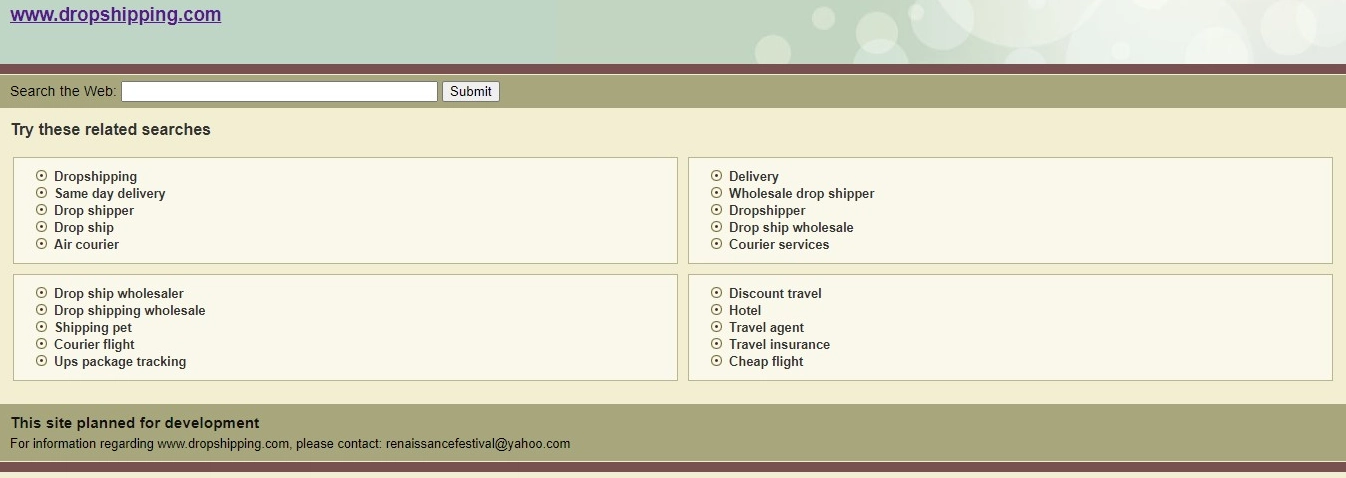
#Dropshippingwebpage
Mid-2000s to Present: Advances in technology, including e-commerce software and digital marketing tools, have further simplified dropshipping. Today, platforms like Shopify and WooCommerce empower entrepreneurs to launch and scale dropshipping businesses with minimal upfront investment.
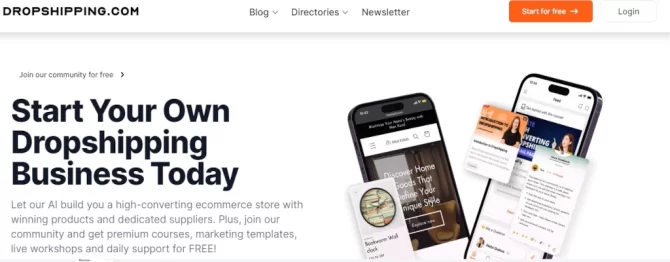
#Droshippingwebpage
Explore more about how eBay works through an article by our team – How does eBay work
Advantages of Dropshipping
Low Startup Costs
Dropshipping requires minimal initial investment compared to traditional retail models because there’s no need to purchase and store inventory upfront.
Startups can allocate more resources to marketing, website development, and customer acquisition.
Minimal Inventory Management
Since dropshippers don’t hold inventory, they avoid the costs and complexities associated with warehousing, managing stock levels, and handling unsold inventory.
This reduces operational overhead and frees up resources for other aspects of the business.
Flexibility and Scalability
Dropshipping allows businesses to offer a wide range of products without the constraints of physical storage.
Entrepreneurs can quickly scale operations by adding new products or expanding into different markets without the logistical challenges of traditional retail.
Disadvantages of Dropshipping
Lower Profit Margins
Profit margins in dropshipping tend to be lower compared to traditional retail because retailers purchase products at wholesale prices and sell them at retail prices, with a smaller margin in between.
High competition among dropshippers can further squeeze margins.
Dependence on Suppliers
The reliability and efficiency of suppliers directly impact the dropshipper’s ability to fulfill orders promptly and maintain customer satisfaction.
Issues such as product quality, shipping times, and communication with suppliers can affect business operations.
Inventory and Shipping Issues
Dropshippers may face challenges related to product availability and backorders, especially if suppliers fail to update stock levels accurately.
Managing shipping logistics and ensuring timely delivery to customers can also be challenging, impacting the overall customer experience.
How Does Dropshipping Work?
Step-by-Step Guide to Setting Up a Dropshipping Business
Choose a Niche and Product
Research market demand and identify a profitable niche.
Select products that appeal to your target audience and align with market trends.
Find Reliable Suppliers
Research and vet potential suppliers based on product quality, reliability, and shipping times.
Establish partnerships with suppliers who offer competitive pricing and good customer service.
Set Up an Online Store
Choose an e-commerce platform like Shopify, WooCommerce, or BigCommerce to build your online store.
Customize your store’s design, layout, and branding to create a professional and appealing storefront.
Import product listings from suppliers or manually create them on your store.
Optimize product descriptions, titles, and images to enhance search engine visibility and attract customers.
Market Your Store and Products
Implement digital marketing strategies such as SEO, content marketing, social media marketing, and paid advertising to drive traffic to your store.
Use email marketing and affiliate partnerships to expand your reach and attract potential customers.
Manage Orders and Customer Service
Monitor incoming orders, process payments, and coordinate with suppliers for order fulfillment.
Provide excellent customer service by promptly addressing inquiries, handling returns, and ensuring customer satisfaction.
Optimize and Scale Your Business
Analyze sales data and customer feedback to identify opportunities for improvement.
Continuously optimize your product offerings, marketing strategies, and operational processes to increase efficiency and profitability.
Scale your business by expanding product lines, targeting new markets, and building long-term relationships with suppliers and customers.
Dropshipping Suppliers
#DropshippingSuppliers
Dropshipping suppliers are businesses or individuals that provide products that are then sold by retailers through a dropshipping model. In this model, the retailer doesn’t keep any inventory but instead transfers customer orders and shipment details directly to the supplier, who then ships the products directly to the customer.
Types of Dropshipping Suppliers
Manufacturers: Companies that produce products and offer dropshipping services. They often provide competitive pricing and direct access to new or exclusive products.
Wholesalers: Businesses that buy products in bulk and offer drop shipping services to retailers. They usually provide a wide range of products at lower prices.
Distributors: Middlemen who work with manufacturers to supply products to retailers. They often handle the logistics and warehousing of products.
Dropshipping Platforms: Online platforms like AliExpress, Oberlo, and SaleHoo connect retailers with various suppliers. These platforms streamline the process of finding and working with dropshipping suppliers.
Examples of Popular Dropshipping Suppliers:
AliExpress: A large marketplace offering a wide range of products with dropshipping options.
Oberlo: A platform that integrates with Shopify to provide access to various suppliers and products.
SaleHoo: A directory of verified suppliers and wholesalers with dropshipping capabilities.
Doba: A platform offering access to a range of products from various suppliers, along with order management tools.
Setting Up a Dropshipping Business
Choosing a Niche
Selecting the right niche is crucial for dropshipping success:
Market Research: Identify trending products or niche markets with high demand and low competition.
Passion and Knowledge: Choose a niche that aligns with your interests and expertise to sustain long-term motivation.
Profitability: Evaluate potential profit margins and consider the purchasing power of your target audience.
Finding Reliable Suppliers
Partnering with trustworthy suppliers is essential for efficient order fulfillment:
Supplier Research: Conduct due diligence on suppliers’ reliability, product quality, shipping times, and customer service.
Communication: Establish clear communication channels with suppliers to ensure smooth transactions and resolve issues promptly.
Samples: Request product samples to assess quality before listing them in your store.
Setting Up an Online Store
Create a professional online storefront to showcase your products:
Choose an E-commerce Platform: Select a platform like Shopify, WooCommerce, or BigCommerce that supports dropshipping integrations and offers customizable templates.
Customization: Customize your store’s design, layout, and branding to reflect your niche and appeal to your target audience.
Payment and Shipping Options: Set up secure payment gateways and configure shipping options based on supplier locations and customer preferences.
Integrating with Dropshipping Platforms
Oberlo: Integrated with Shopify, Oberlo allows you to import products directly from suppliers on AliExpress and manage inventory and orders efficiently.
AliExpress: A popular marketplace for dropshipping, AliExpress offers a wide range of products at competitive prices and facilitates direct shipping to customers.
Other Platforms: Explore alternative dropshipping platforms that align with your niche and operational preferences, ensuring seamless integration and product sourcing.
Marketing and Sales Strategies
SEO and Content Marketing
Keyword Research
Conduct thorough keyword research using tools like Google Keyword Planner or SEMrush to identify high-volume, relevant keywords in your niche.
Optimize product descriptions, blog posts, and other content with these keywords to improve organic search rankings.
Content Creation
Develop valuable and informative content such as blog articles, tutorials, and guides that address customer pain points and provide solutions.
Use content to establish authority in your niche and attract organic traffic to your website.
On-Page SEO
Ensure your website is optimized for search engines by optimizing meta tags, headers, and images.
Improve site speed, mobile responsiveness, and user experience to reduce bounce rates and improve SEO performance.
Know more about SEO through an article by our team: How does SEO work
Social Media Marketing
Platform Selection
Identify and focus on social media platforms (e.g., Facebook, Instagram, Pinterest) where your target audience is most active.
Tailor your content and engagement strategies to each platform’s unique audience and features.
To explore social media platforms in greater detail, take a look at these insightful articles from our team:
Expansion into niche markets and specialized product categories to cater to specific consumer preferences and demands.
Customization of product offerings and marketing strategies to target unique customer segments effectively.
Multi-channel Selling
Diversification of sales channels across multiple platforms (e.g., social media, online marketplaces, mobile apps) to reach a broader audience.
Optimization of omnichannel strategies for seamless customer experiences and increased sales conversion.
Impact of E-commerce Growth on Dropshipping
Market Expansion
The continued growth of global e-commerce markets expands the opportunity for dropshipping businesses to reach international customers.
Increased adoption of online shopping behaviors and digital payment methods drive demand for convenient, accessible dropshipping services.
Logistics and Fulfillment Innovation
Advancements in logistics technology, such as drone delivery and autonomous vehicles, enhance shipping speed and efficiency.
Collaboration with third-party logistics (3PL) providers for warehousing, fulfillment, and last-mile delivery solutions to meet evolving customer expectations.
Consumer Expectations
Rising expectations for faster shipping times, real-time order tracking, and environmentally sustainable practices influence dropshipping logistics and service offerings.
Demand for eco-friendly packaging options and carbon-neutral shipping solutions to reduce environmental impact and enhance brand reputation.
Regulatory and Compliance Challenges
Adherence to evolving e-commerce regulations and trade policies in different regions to mitigate risks related to tariffs, customs duties, and cross-border taxation.
Implementation of data protection measures and compliance with consumer privacy laws (e.g., GDPR, CCPA) to safeguard customer information in global markets.
Dropshipping is a modern retail fulfillment method that allows entrepreneurs to start online businesses with minimal upfront costs and inventory management. By partnering with suppliers who handle product storage, packaging, and shipping, dropshippers can focus on marketing and customer engagement. The process involves selecting a niche, finding reliable suppliers, setting up an online store, and integrating with dropshipping platforms to streamline operations.
While dropshipping offers several advantages, such as low startup costs and flexibility, it also presents challenges like lower profit margins and dependence on suppliers. However, with strategic planning, effective marketing, and continuous adaptation to market trends, dropshipping can be a lucrative and scalable business model. Understanding the intricacies of dropshipping helps entrepreneurs navigate its complexities and leverage its potential for success in the ever-growing e-commerce landscape.
Want to build your own platform like Dropshipping?
If you are interested in developing your own Dropshipping venture or want to take your business digital, contact us.
Nextdoor is a neighborhood-focused social networking platform designed to connect people living in the same local area. It allows residents to communicate, share information, and engage in discussions relevant to their community. Users can join their neighborhood’s specific Nextdoor page by verifying their address. It helps ensure that the platform remains hyper-local and relevant to each user’s immediate surroundings. Let’s learn in this article what is Nextdoor and how it functions within neighborhoods.
What is Nextdoor? A beginner’s guide
what is nextdoor
Nextdoor is a unique social networking platform designed specifically for neighborhoods. It facilitates communication and interaction among residents within a localized community. Launched to foster stronger local ties, the Nextdoor app requires users to verify their addresses. It ensures that each member belongs to the neighborhood they claim.
The platform functions as a virtual community bulletin board where neighbors can post and engage in various activities. Users can share information such as local news, recommendations for services like plumbers or babysitters, alerts about safety concerns, and updates on community events. This makes Nextdoor a valuable tool for staying informed about what’s happening in the immediate vicinity.
One of Nextdoor’s key features is its emphasis on privacy and security. It allows users to adjust their settings to control the visibility of their posts and profile information. This ensures that discussions remain within the confines of the neighborhood. This localized approach not only promotes trust among users but also encourages meaningful interactions and support networks within communities.
In essence, social network Nextdoor serves as a digital extension of the neighborhood. By enabling neighbors to connect, collaborate, and build stronger local relationships. It enhances community cohesion by providing a platform where residents can share resources, exchange information, and contribute to the well-being of their immediate surroundings.
Importance of Nextdoor in Social Networking
Nextdoor holds significant importance in the realm of social networking, especially within local communities. Here are the key reasons why Nextdoor stands out in this context:
Localized Interaction: Unlike broader social media platforms, Nextdoor focuses specifically on connecting people within their neighborhoods. This localized approach fosters more relevant and meaningful interactions among neighbors who share common geographical boundaries.
Community-Centric Features: Nextdoor offers features tailored to neighborhood needs, such as local business recommendations, event planning, and crime alerts. These functionalities enhance community engagement by providing practical tools that address specific local concerns and interests.
Trust and Authenticity: By requiring address verification, Nextdoor ensures that users are genuinely part of the neighborhoods they join. This verification process fosters a sense of trust and authenticity among members. It makes interactions more credible and relevant to local dynamics.
Supporting Local Economies: Nextdoor serves as a platform for promoting and supporting local businesses and services. Users can easily discover and recommend neighborhood businesses, contributing to the growth and sustainability of the local economy.
Facilitating Community Safety: The platform plays a role in enhancing neighborhood safety by enabling residents to share safety tips, report incidents, and coordinate efforts to improve security measures. This collective vigilance strengthens community resilience and fosters a safer living environment.
Promoting Social Connections: Nextdoor facilitates the formation of social connections among neighbors, which is crucial for building a sense of community and belonging. It encourages residents to engage in face-to-face interactions, fostering friendships and support networks that contribute to overall well-being.
Empowering Civic Engagement: Through Nextdoor, residents can engage in discussions about local issues, participate in community initiatives, and collaborate on projects that benefit the neighborhood. This empowerment of civic engagement strengthens community cohesion and encourages active involvement in neighborhood affairs.
History and Evolution of Nextdoor
Nextdoor, founded in 2010 by Nirav Tolia, Sarah Leary, Prakash Janakiraman, and David Wiesen, emerged as a pioneering social networking platform designed specifically for local communities. The founders envisioned a digital space where neighbors could connect, communicate, and collaborate on matters directly impacting their neighborhoods.
#nextdoorsignuppagein2011
The platform officially launched in 2011, initially serving a few neighborhoods in the United States. It gained rapid popularity due to its unique focus on hyper-local interactions, requiring users to verify their addresses to ensure authenticity and relevance within each neighborhood. This approach aimed to foster trust and facilitate genuine connections among neighbors.
Over the years, Nextdoor expanded its presence across the United States and internationally, reaching millions of users in various neighborhoods worldwide. The platform’s growth was driven by its ability to address local communication needs effectively, offering features such as neighborhood news feeds, community events, local business recommendations, and safety alerts.
In 2017, Nextdoor introduced a redesigned interface and enhanced features aimed at improving user experience and further promoting community engagement. The platform continued to evolve with updates focusing on privacy controls, moderation tools to ensure respectful interactions, and partnerships with local governments and organizations to support community initiatives.
By 2020, Nextdoor had become a vital tool for neighborhood communication, especially during times of crisis such as natural disasters or public health emergencies. It facilitated community support networks, mutual aid efforts, and the dissemination of critical information among neighbors.
Today, Nextdoor remains a prominent platform for local social networking, continuing to evolve with technological advancements and community-driven enhancements. It continues to play a significant role in enhancing neighborhood connectivity, promoting local businesses, supporting civic engagement, and fostering a sense of community among residents worldwide.
Detailed Features of Nextdoor
Nextdoor offers a comprehensive set of features that cater specifically to neighborhood interactions and community engagement:
Neighborhood News Feed: The core of Nextdoor is its news feed, where residents can post updates, announcements, and discussions relevant to their local area. This serves as a virtual bulletin board for sharing information and staying informed about what’s happening in the neighborhood.
Groups and Interests: Users can join or create groups based on shared interests, hobbies, or concerns. These groups foster niche communities within the neighborhood, allowing residents to connect with like-minded individuals and participate in specialized discussions.
Local Business Recommendations: Nextdoor provides a platform for residents to recommend and discover local businesses and services. Users can read reviews, ask for recommendations on Nextdoor, and support local entrepreneurs, thereby promoting economic activity within the community.
Events: Residents can create and RSVP to local events such as block parties, community meetings, fundraisers, and neighborhood clean-ups. This feature encourages social interaction and community participation, strengthening bonds among neighbors.
Crime and Safety Alerts: Users can share information about suspicious activities, safety concerns, and crime incidents occurring in the neighborhood. This feature enhances community awareness and promotes collaborative efforts to improve neighborhood safety.
Lost & Found: Nextdoor allows residents to post about lost or found items, helping reunite lost belongings with their owners. This feature fosters a sense of helpfulness and solidarity within the community.
Recommendations: Residents can seek recommendations for various services such as home repair, gardening, pet care, and more. Users can rely on peer-reviewed suggestions from neighbors, facilitating trustworthy referrals and enhancing community support networks.
Users of Nextdoor
The user base of Nextdoor is rich and varied, encompassing a wide spectrum of individuals who contribute to its vibrant community dynamics:
Residents
At the heart of Nextdoor are the residents who join to connect with their neighbors. They use the platform to discuss local issues, share updates on neighborhood events, and collaborate on community projects. Whether it’s organizing block parties, discussing local ordinances, or simply keeping each other informed about day-to-day activities, residents form the backbone of Nextdoor’s neighborhood-localized social network.
Homeowners and Renters
Both homeowners and renters actively participate in Nextdoor. Homeowners often engage in discussions about property maintenance, renovation tips, and local real estate trends. Renters, on the other hand, seek advice on finding rentals, understanding lease agreements, and discovering neighborhood amenities. This kind of engagement reflects the growing demand for digital solutions like property management app development, which make it easier to manage listings, handle tenant queries, and streamline community interactions.
Local Businesses
#growingcommunity
Small businesses find Nextdoor invaluable for connecting directly with potential customers in their neighborhoods. They share promotions, special offers, and updates about their services. This direct interaction allows businesses to build relationships and customer loyalty within their local market, leveraging word-of-mouth recommendations and neighborhood support.
Community Leaders
Neighborhood association members, local government officials, and community organizers use Nextdoor as a platform for civic engagement. They communicate important updates, gather feedback on local initiatives, and organize community events such as town hall meetings or volunteer drives. This active involvement helps shape neighborhood policies and strengthens community ties.
Parents and Families
Families use Nextdoor to stay connected with other parents in the neighborhood. They organize playdates, share recommendations for family-friendly activities, and discuss local school issues. Parents seek advice on childcare options, school enrollment processes, and safety concerns specific to their community, fostering a supportive network for raising children.
New Residents
Newcomers to the neighborhood join Nextdoor to introduce themselves, seek advice on local services and amenities, and learn about neighborhood traditions. They connect with established residents to integrate into the community, find local resources, and participate in neighborhood activities, fostering a sense of belonging from the outset.
Benefits of Nextdoor
#benefitsofnextdoor
It offers several benefits that enhance neighborhood connectivity, community engagement, and local interaction:
Local Communication: Nextdoor serves as a dedicated platform for neighbors to communicate effectively. It facilitates sharing of local news, updates on community events, and discussions on neighborhood issues in real-time.
Building Community Bonds: The platform fosters stronger connections among neighbors by providing a space for residents to interact, collaborate on local projects, and build relationships. This sense of community helps create a more cohesive and supportive neighborhood environment.
Local Recommendations: Users can seek and provide recommendations for local services, businesses, and professionals. This word-of-mouth referral system helps residents discover trusted resources and supports local businesses within the community.
Enhanced Safety and Security: Nextdoor enables residents to share safety alerts, report suspicious activities, and discuss crime prevention strategies. This collective vigilance promotes neighborhood safety and encourages proactive community involvement in crime prevention efforts.
Neighborhood Events and Activities: Residents can organize and discover local events, such as block parties, garage sales, or community clean-ups, through Nextdoor. This feature encourages social interaction and strengthens community ties by facilitating in-person gatherings.
Support Networks: Nextdoor provides a platform for neighbors to offer and receive help during times of need. Whether it’s organizing assistance for a neighbor in crisis, sharing resources during emergencies, or providing emotional support, the platform fosters a culture of mutual aid and support within the neighborhood.
Civic Engagement: Community leaders and residents use Nextdoor to engage in discussions about local governance, participate in neighborhood initiatives, and collaborate on projects that benefit the community. This active participation enhances civic pride and empowers residents to make a positive impact in their neighborhoods.
How does Nextdoor work? A beginners guide
Here we have explained the basics to help you understand the local social network platforms. Here is a complete guide on how Nextdoor works.
Account Creation and Verification
Sign-up Process: Users begin by visiting the Nextdoor website or downloading the mobile app (available for iOS and Android).
Address Verification: During sign-up, users verify their address to ensure they live within the neighborhood they wish to join. This verification process may involve entering their address and receiving a verification code via mail or phone call to confirm residency.
Creating a Profile
Personal Information: Once verified, users create a profile by entering their real name (which is visible to neighbors), email address, and password.
Address Privacy: Users’ addresses are kept private and are only used to confirm neighborhood residency. The specific house number is not disclosed publicly.
Neighborhood Network Setup
Joining the Neighborhood: Upon verification, users are automatically added to the Nextdoor network of their verified neighborhood.
Neighborhood Boundaries: Each Nextdoor network corresponds to a specific geographical area, such as a neighborhood or community, ensuring that interactions are localized and relevant to nearby residents.
Navigating the Platform
Homepage and News Feed: Users are greeted with a news feed upon logging in. The news feed displays posts, updates, and discussions from neighbors within their Nextdoor network.
Navigation Bar: The platform features a navigation bar with tabs such as Home (news feed), Groups (discussion groups), Events (local happenings), Recommendations (local services), and more.
Posting and Sharing
#eventsinnixapostedonnextdoor
Creating Posts: Users can create posts to share updates, announcements, questions, or recommendations with their neighbors. This includes sharing local news, organizing events, or seeking advice on local issues.
Engagement: Neighbors can react to posts with likes, comment on discussions, and share information, fostering community interaction and dialogue.
Groups and Interests
Joining Groups: Users can join or create groups based on shared interests, hobbies, or concerns within their neighborhood. Examples include gardening clubs, parenting groups, or neighborhood watch groups.
Group Discussions: Groups facilitate focused discussions and activities among members who share common interests, allowing neighbors to connect more deeply over specific topics.
Local Business Recommendations
Business Pages: Nextdoor includes business pages where residents can recommend and discover local businesses and services. Users can leave reviews, ask for recommendations, and support neighborhood businesses by promoting their services to fellow residents.
Business Engagement: Local businesses can interact with residents, respond to reviews, and share updates or special offers, fostering a sense of community support and patronage.
Events and Activities
#jengaeventplannedonnextdoor
Event Creation: Residents can create and promote local events such as block parties, garage sales, community meetings, and volunteer opportunities.
Event RSVPs: Neighbors can RSVP to events, view event details, and engage in event discussions, encouraging social interaction and community involvement in local activities.
Safety and Crime Reporting
Safety Alerts: Nextdoor allows residents to share safety alerts, report suspicious activities, and discuss crime prevention tips within their neighborhood.
Neighborhood Watch: Users can collaborate on neighborhood watch efforts, share security camera footage, and coordinate responses to local safety concerns, enhancing community safety and vigilance.
Privacy and Moderation
Privacy Settings: Users have control over their privacy settings, allowing them to manage who can see their posts and profile information. This helps maintain a safe and respectful environment within the neighborhood community.
Community Guidelines: Nextdoor enforces community guidelines to ensure respectful interactions and adherence to platform rules. Moderators may intervene to address violations and maintain a positive user experience.
Mobile and Web Accessibility
Multi-Platform Access: Nextdoor is accessible via both mobile apps and web browsers, offering flexibility for users to stay connected and engaged with their neighborhood network community from anywhere, whether at home or on the go.
Community Support and Integration
New Resident Engagement: Nextdoor provides a welcoming platform for new residents to introduce themselves, ask questions about the neighborhood, and connect with established neighbors.
Support Networks: Users can offer and receive help from neighbors, whether through organizing assistance for those in need, sharing resources during emergencies, or providing emotional support, fostering a culture of mutual aid and community support.
Apps like Nextdoor
In today’s digital age, apps like Nextdoor have revolutionized how neighbors connect and communicate, fostering stronger, more cohesive communities. These platforms provide a virtual space where residents can share news, ask for recommendations, and organize local events, creating a sense of belonging and mutual support. Alternatives to Nextdoor, such as LinkedIn, Neighbor, Patch, Facebook, EveryBlock, Front Porch Forum, Instagram, and MyCoop, offer similar services with unique features tailored to community needs.
For instance, Neighbor focuses on peer-to-peer storage solutions, allowing residents to rent out unused space to their neighbors, while Patch provides hyperlocal news coverage to keep communities informed about local happenings. EveryBlock combines social networking with local information, offering a comprehensive platform for neighborhood engagement. Front Porch Forum facilitates community discussion and connections through neighborhood forums, while MyCoop is designed for residents of apartment buildings, providing a space to share information and communicate about building-specific issues.
These apps, with their emphasis on hyperlocal interaction, are transforming how we interact with our immediate surroundings, promoting safety, cooperation, and a shared sense of community. By leveraging technology, apps like Nextdoor and its competitors are making it easier for people to stay connected, informed, and involved in their neighborhoods, ultimately enhancing the quality of life for everyone involved.
Nextdoor
Nextdoor is a specialized social networking platform that connects neighbors based on their verified addresses, creating hyper-localized communities. It enables residents to engage in discussions, share updates, and organize events specific to their neighborhood. With features like group discussions, local business recommendations, event planning, and safety alerts, Nextdoor enhances community interaction, supports local economies, and fosters a sense of belonging among neighbors, all while prioritizing user privacy and community moderation.
Building your Nextdoor-like solution?
If you are willing to launch a social networking platform similar to Nextdoor, NCrypted Technologies has the right solutions developed by our capable and innovative workforce. We offer customized and innovative features as per your requirements to let you launch a successful equipment rental platform.
Welcome to the world of freelancing with Upwork! In this guide, we’ll delve into the dynamic realm of online freelancing, shining a spotlight on Upwork, one of the premier platforms linking freelancers with clients globally. Let’s dive in and discover what is Upwork and unlock the potential of this exciting platform together!
What is Upwork?
Upwork is a leading online platform that connects freelancers with clients seeking various services. It serves as a marketplace where businesses and independent professionals can collaborate remotely on a wide array of projects. Freelancers offer services across numerous categories, including writing, graphic design, web development, marketing, and more. Upwork provides tools for project management, communication, and secure payment, making it easier for both freelancers and clients to work together seamlessly. Platforms like this are prime examples of advanced job portal app development, designed to connect talent with opportunities in a structured and scalable way.
History and Background of Upwork
Upwork was founded in 2015 through the merger of two prominent freelancing platforms, Elance and oDesk. Elance was established in 1999, while oDesk was founded in 2003. Both platforms were pioneers in the freelance economy, connecting clients with remote workers worldwide.
Elance: Launched in 1999, Elance was one of the first online platforms to offer a marketplace for freelance work. It provided a space for freelancers to find jobs and for businesses to hire skilled professionals on a project-by-project basis.
oDesk: Founded in 2003, oDesk quickly became a major player in the online freelancing space. It was known for its robust work diary and time-tracking features, which helped clients monitor the progress of their remote workers.
#oDesk
The merger of Elance and oDesk in 2015 aimed to combine the strengths of both platforms and create a more comprehensive service. The new entity was initially called Elance-oDesk but was later rebranded as Upwork. This merger allowed Upwork to leverage the extensive user bases and technological advancements of its predecessors, positioning it as a dominant force in the gig economy.
Since its inception, Upwork has continued to evolve and expand its offerings. It has introduced various features to enhance user experience, such as advanced search filters, skill tests, and an improved user interface. Upwork has also developed tools to facilitate better communication and project management, including a messaging system, time tracker, and milestone-based payment system.
Key Features of Upwork
#keyfeaturesofupwork
Diverse Job Categories
Upwork offers a broad array of job categories, making it possible for freelancers with various skill sets to find relevant work. Some popular categories include IT & Networking, Writing & Translation, Design & Creative, and Customer Service.
User-Friendly Interface
The platform is designed to be intuitive and easy to navigate, helping both clients and freelancers manage their profiles, job postings, and applications efficiently.
Secure Payment System
Upwork ensures secure transactions through its escrow payment system. Clients fund projects in advance and funds are released to freelancers once the work is completed and approved.
Upwork provides built-in tools for messaging, video calls, and file sharing, facilitating smooth communication between clients and freelancers.
Work Tracking
For hourly contracts, Upwork offers a time tracker tool that captures screenshots and logs activity levels, helping clients monitor progress and ensuring freelancers are paid for their work.
Creating an Account on Upwork
Signing Up for Upwork
Visit the Upwork Website: Go to the Upwork homepage (www.upwork.com).
Click on “Sign Up”: You’ll find this option at the top right corner of the page.
Choose Your Account Type: Select whether you want to sign up as a freelancer looking for work or as a client looking to hire.
#chooseaccounttype
Enter Your Details: Fill in your email address, and create a password. You can also sign up using your Google account.
Confirm Your Email: Upwork will send a confirmation email to the address you provided. Click the link in the email to verify your account.
Setting Up Your Upwork Profile
Complete Your Personal Information: Enter your name, location, and professional title.
Add a Profile Picture: Upload a professional-looking photo. A clear, friendly headshot is recommended.
Write a Compelling Overview: Describe your skills, experience, and the type of work you are looking for. Be specific and highlight your strengths.
List Your Skills: Select the skills that match your expertise. This helps Upwork match you with relevant job opportunities.
Add Your Employment History: Include your previous job experiences, focusing on roles relevant to the work you are seeking on Upwork.
Education and Certifications: List your educational background and any certifications that enhance your credibility.
Portfolio: Upload samples of your work to showcase your abilities. This is especially important for fields like design, writing, and development.
Hourly Rate: Set your desired hourly rate. Research rates for similar roles to ensure yours is competitive.
Understanding the Rookie Upwork Profile
Building Your Reputation: As a new freelancer, your profile will initially be considered a “rookie profile.” This means you’ll have few, if any, completed jobs and reviews, which can make attracting clients a bit challenging at first.
Profile Completeness: It’s essential to fully complete your profile with a professional photo, detailed bio, relevant skills, and portfolio samples. This helps make a strong first impression on potential clients.
Competitive Bidding: To secure your first few contracts, you may need to bid more competitively. Consider offering lower rates or taking on smaller projects to build up your portfolio and gain reviews.
Learning the Platform: Take time to familiarize yourself with Upwork’s features, understand how to apply for jobs, communicate with clients, and manage projects effectively.
Profile Optimization: Optimize your profile with relevant keywords, a clear and concise headline, and a compelling summary that highlights your skills and potential value to clients.
Verifying Your Identity
Submit Identification Documents: Upwork may require you to upload a government-issued ID, such as a passport or driver’s license.
Video Verification: Upwork might ask for a short video call to confirm your identity. This helps maintain a secure and trustworthy platform.
Location Verification: In some cases, Upwork may request proof of your location. This can be done by uploading a utility bill or another document that confirms your address.
Profile Approval: After submitting the required documents, Upwork will review your profile and verification information. Once approved, you’ll receive a confirmation email, and your profile will be fully active.
Upwork Profile Mistakes
Some common Upwork profile mistakes to avoid :
Incomplete Profile Information: Not filling out all sections of your profile thoroughly, leaves potential clients with unanswered questions.
Generic Overview: Using a vague or generic summary instead of highlighting specific skills and experiences that set you apart.
Poor Quality Profile Photo: Using a low-quality or unprofessional photo, can give a negative first impression to clients.
Lack of Portfolio Items: Failing to showcase previous work or projects, missing an opportunity to demonstrate your skills and abilities.
Ignoring Skill Tests and Certifications: Not taking relevant skill tests or adding certifications, can enhance your profile credibility.
Ignoring Client Reviews: Not actively seeking or displaying client feedback, which can build trust with potential clients.
Overpricing Services: Setting rates too high compared to your experience or market standards, potentially deterring clients from hiring you.
Poor Communication: Responding late or inadequately to client messages, which can lead to missed opportunities or client dissatisfaction.
Overview of the Upwork Dashboard
#upworkdashboard
The Upwork dashboard is your central hub for managing your freelance activities. When you log in, you’ll see a streamlined interface designed to help you quickly access the most important features and information.
Home: The main dashboard provides an overview of your profile, including your job success score, earnings, and recent activity.
My Jobs: Displays your current and past contracts, including detailed information on each project.
Find Work: A section where you can search for new job opportunities.
Reports: Provides financial reports, work diary logs, and timesheets.
Messages: Centralized location for all communications with clients.
Proposals: Lists all your submitted proposals, along with their status.
How Upwork Works
For Freelancers
Create an Account
Sign Up: Start by creating an account on Upwork. You can sign up using your email address or a Google account.
Complete Your Profile: Fill out your profile with details about your skills, experience, and education, and add a professional photo. A complete and detailed profile increases your chances of getting hired.
Search for Jobs
Find Work: Browse through job listings that match your skills. Use filters to narrow down job searches based on category, payment type, experience level, and more.
Save Jobs: Save interesting job postings to review later.
Submit Proposals
Write Proposals: When you find a job you’re interested in, submit a proposal. Include a cover letter, your estimated rate, and any relevant work samples.
Tailor Proposals: Customize each proposal to the specific job, highlighting your relevant experience and skills.
Communicate with Clients
Messaging: Use Upwork’s messaging system to communicate with potential clients. You can ask questions, negotiate terms, and clarify project details.
Get Hired
Contracts: If a client likes your proposal, they may invite you to discuss it further or directly hire you. Review and accept the contract terms.
Start Working: Begin working on the project as per the agreed terms.
Track Work and Get Paid
Hourly Contracts: Use Upwork’s time tracker to log hours worked. The tracker takes screenshots and records activity levels to ensure transparency.
Fixed-Price Contracts: Complete project milestones and submit work for client approval. Payment is released upon milestone completion.
Get Paid: Payments are processed through Upwork’s secure system. You can withdraw your earnings to your bank account, PayPal, or other payment methods.
Feedback and Reviews
Client Reviews: After completing a job, clients leave feedback and rate their performance. Good reviews help build your reputation on the platform.
Freelancer Reviews: You can also leave feedback for clients.
For Clients
Create an Account
Sign Up: Create an account on Upwork to post job listings and hire freelancers.
Post a Job
Job Posting: Describe the project, specify required skills, set a budget, and define the timeline.
Job Visibility: Choose whether the job should be visible to the public or only to invited freelancers.
Review Proposals
Receive Proposals: Freelancers will submit proposals for your job posting.
Evaluate: Review proposals, freelancer profiles, past work, and ratings to choose the best candidate.
Interview and Hire
Communicate: Use Upwork’s messaging system to interview candidates, ask questions, and discuss project details.
Hire: Send an offer to the selected freelancer and finalize the contract terms.
Manage the Project
Project Management: Use Upwork’s tools to track project progress, communicate with the freelancer, and manage deliverables.
Milestones and Payments: For fixed-price contracts, set up milestones and release payments upon milestone completion. For hourly contracts, monitor logged hours and approve timesheets.
Provide Feedback
Rate Freelancers: After the project is completed, leave feedback and rate the freelancer’s performance.
Receive Reviews: Freelancers will also rate and review their experience working with you.
Finding and Applying for Jobs on Upwork
How to Search for Jobs that Match Your Skills
Use Advanced Search Filters
Job Category: Select the category that best fits your expertise, such as writing, graphic design, or web development.
Experience Level: Filter jobs by the required experience level (entry-level, intermediate, expert).
Job Type: Choose between hourly or fixed-price projects.
Budget Range: Set a minimum and maximum budget to find jobs within your desired pay range.
Client History: Filter jobs based on the client’s hiring history and ratings.
Keywords and Phrases
Relevant Keywords: Use specific keywords related to your skills and services to find relevant job postings.
Boolean Operators: Utilize Boolean operators (AND, OR, NOT) to refine your search results.
Saved Searches and Alerts
Save Searches: Save your search criteria to quickly access relevant job postings in the future.
Job Alerts: Set up email alerts to be notified when new jobs matching your criteria are posted.
Explore Different Sections
Recommended Jobs: Check the “Recommended” section for jobs that match your skills and profile.
Saved Jobs: Regularly review your saved jobs list to apply to postings you’ve bookmarked.
Tips for Writing Effective Upwork Proposals
Upwork proposal template
#upworkproposaltemplate
Creating a strong Upwork proposal template is essential for winning jobs. Start with a personalized greeting and mention the client’s name if possible. Briefly introduce yourself, highlighting your relevant skills and experience. Address the client’s specific needs and explain how you can solve their problem or add value to their project. Include examples of your previous work or portfolio links to demonstrate your expertise. Conclude with a call to action, inviting the client to discuss the project further or ask any questions they might have. Keep your tone professional and enthusiastic to leave a positive impression.
Read the Job Posting Carefully
Understand Requirements: Thoroughly read the job description to understand the client’s needs and requirements.
Identify Key Points: Note down key points such as deadlines, specific skills required, and project scope.
Craft a Compelling Cover Letter
Introduction: Start with a polite greeting and a brief introduction about yourself.
Address Client Needs: Mention how your skills and experience align with the client’s requirements.
Highlight Relevant Experience: Provide specific examples of similar projects you’ve completed successfully.
Value Proposition: Explain what unique value you bring to the project and how you can help the client achieve their goals.
Be Professional and Concise
Clear and Concise: Keep your proposal clear, concise, and to the point. Avoid unnecessary jargon.
Proofread: Check for grammatical errors and typos to ensure your proposal looks professional.
Provide Work Samples
Portfolio: Include links to your portfolio or attach relevant work samples that demonstrate your expertise.
Case Studies: If applicable, provide case studies or detailed descriptions of similar projects you’ve handled.
Tailor Each Proposal
Personalization: Personalize each proposal by addressing the client by name and referring to specific details in the job posting.
Custom Solutions: Offer custom solutions that directly address the client’s unique needs and challenges.
Time Tracking: Freelancers use Upwork’s Time Tracker to log hours worked. This tool captures screenshots and activity levels to ensure accurate billing.
Weekly Billing Cycle: Hours are billed weekly. At the end of the week, the client reviews the hours logged, and payments are processed automatically.
Fixed-Price Contracts
Milestones: Projects are divided into milestones, each with a specific payment tied to deliverables.
Escrow Payments: Clients fund milestones in escrow before work begins. Funds are released to the freelancer upon approval of each milestone.
Setting Up Payment Details
1. Adding Payment Methods
For Freelancers:
Direct to Local Bank: Connect your local bank account for direct deposits.
PayPal: Link your PayPal account for easy transfers.
Payoneer: Use Payoneer as an additional option for international payments.
Wire Transfer: Opt for wire transfers for larger amounts.
For Clients:
Credit/Debit Cards: Use major credit or debit cards to pay for services.
PayPal: Add PayPal for another convenient payment method.
2. Setting Up Billing Methods
Verification: Both freelancers and clients need to verify their payment methods to ensure security and prevent fraud.
Primary Method: Designate a primary payment method for seamless transactions.
How Payments are Processed on Upwork
1. Hourly Contracts
Work Diary: Freelancers log hours in the Work Diary, which clients can review.
Review Period: Clients have a review period (usually one week) to check the logged hours and raise any disputes.
Payment Processing: After the review period, payments are automatically released to the freelancer’s account.
2. Fixed-Price Contracts
Milestone Approval: Upon completion of a milestone, freelancers submit their work for client approval.
Client Review: Clients have 14 days to review and approve the submitted work. If no action is taken, the payment is automatically released.
Escrow Release: Once approved, the funds held in escrow are released to the freelancer.
3. Dispute Resolution
Dispute Process: If there’s a disagreement over logged hours or milestone completion, both parties can raise a dispute. Upwork’s mediation team helps resolve the issue.
Resolution: The dispute process involves reviewing work diaries, communication, and evidence from both parties to reach a fair resolution.
Additional Considerations
1. Service Fees
Freelancer Fees: Upwork charges freelancers a sliding fee based on lifetime billings with each client (20% for the first $500, 10% for billings between $500.01 and $10,000, and 5% for billings over $10,000).
Client Fees: Clients typically don’t pay additional fees beyond the agreed project amount unless they choose optional services like premium support.
2. Payment Protection
Hourly Protection: Upwork’s Hourly Protection ensures freelancers are paid for hours worked if they properly log time using the Time Tracker.
Fixed-Price Protection: The escrow system protects both parties by ensuring funds are available before work begins and only released upon approval of deliverables.
Managing Finances on Upwork
Tracking Your Earnings
Upwork Dashboard
Earnings Overview: Access your earnings summary directly from your Upwork dashboard.
Filtering Options: Filter earnings by date range, client, or contract type for detailed tracking.
Export Options: Export reports in various formats for further analysis or tax purposes.
Understanding Upwork Fees and Service Charges
Freelancer Service Fees
Sliding Scale: Upwork charges freelancers a service fee based on lifetime billings with each client.
Fee Structure: Fees start at 20% for the first $500 billed to a client, decreasing to 10% for billings between $500.01 and $10,000, and further reduced to 5% for billings over $10,000 with the same client.
Additional Charges
Payment Processing Fees: Upwork deducts payment processing fees for each withdrawal method (e.g., bank transfer, PayPal).
Currency Conversion Fees: If you withdraw funds in a currency different from your Upwork account currency, currency conversion fees may apply.
Withdrawing Your Earnings
Payment Methods
Direct to Local Bank: Set up direct deposits to your local bank account for convenient access to funds.
PayPal: Link your PayPal account to withdraw funds securely.
Payoneer: Utilize Payoneer as an alternative withdrawal option, especially for international freelancers.
Wire Transfer: Opt for wire transfers for larger withdrawals or in regions where other methods are not available.
Minimum Threshold: Ensure your earnings meet the minimum withdrawal threshold before initiating a withdrawal.
Processing Time: Upwork typically processes withdrawals within a few business days, depending on the chosen withdrawal method and region.
Currency Considerations
Conversion: If withdrawing funds in a different currency, be mindful of currency conversion rates and associated fees.
Preferences: Consider setting your Upwork account currency to match your primary withdrawal currency to minimize conversion fees.
Tips for Success on Upwork: Thrive in a Competitive Marketplace
Best Practices for Winning More Jobs
Optimize Your Profile
Complete Profile: Ensure your profile is complete, including a professional photo, detailed skills, and a compelling summary.
Highlight Expertise: Showcase your expertise and experience relevant to your target job categories to attract potential clients.
Write Compelling Proposals
Personalized Approach: Tailor each proposal to the specific job posting, addressing the client’s needs and requirements.
Highlight Relevant Experience: Emphasize relevant skills, experience, and past projects that demonstrate your ability to deliver results.
Build a Strong Portfolio
Showcase Your Work: Populate your portfolio with high-quality samples that highlight your skills and expertise.
Diversify Portfolio: Include a variety of projects to demonstrate versatility and adaptability across different industries and niches.
How to Stand Out in a Competitive Marketplace
Deliver Exceptional Results
Quality Over Quantity: Focus on delivering high-quality work that exceeds client expectations rather than chasing a high volume of projects.
Attention to Detail: Pay careful attention to detail to ensure error-free deliverables that showcase your professionalism.
Provide Outstanding Customer Service
Responsive Communication: Respond promptly to client messages and inquiries to demonstrate reliability and commitment.
Proactive Engagement: Anticipate client needs and offer proactive solutions to add value to your services.
Build Client Relationships
Cultivate Trust: Foster trust and rapport with clients through transparent communication, reliability, and consistent performance.
Seek Feedback: Encourage clients to provide feedback and testimonials to strengthen your reputation and credibility.
Common Mistakes to Avoid
Overpromising and Underdelivering
Manage Expectations: Be realistic about what you can deliver within the specified timeframe and budget to avoid disappointments.
Communicate Limitations: Transparently communicate any constraints or challenges that may affect project delivery.
Neglecting Professionalism
Unprofessional Conduct: Maintain a professional demeanor in all interactions, avoiding unprofessional language or behavior.
Missed Deadlines: Honor deadlines and commitments to build trust and credibility with clients.
Ignoring Feedback
Failure to Learn: Embrace feedback as an opportunity for growth and improvement, rather than dismissing or ignoring it.
Continuous Improvement: Actively incorporate feedback to refine your skills, processes, and client interactions over time.
Upwork for Clients: Simplifying Freelancer Hiring
Finding Freelancers
Browse Profiles: Clients can search for freelancers based on skills, experience, and expertise.
Post Jobs: Create detailed job postings outlining project requirements, deliverables, and budget.
Invite Freelancers: Clients can invite specific freelancers to submit proposals for their projects.
Evaluating Proposals
Review Proposals: Clients receive proposals from freelancers interested in their job postings.
Evaluate Skills: Assess freelancer profiles, portfolios, and past work to measure suitability for the project.
Communicate: Engage with freelancers through Upwork’s messaging system to ask questions and clarify details.
Managing Projects and Payments
Project Collaboration: Collaborate with freelancers through Upwork’s platform, track progress, and provide feedback.
Payment Protection: Upwork offers payment protection for hourly contracts and escrow services for fixed-price contracts.
Streamlined Payments: Clients can make payments securely through Upwork’s platform, with options for direct deposits or PayPal.
Pros and Cons of Using Upwork
Benefits of Freelancing on Upwork
Access to Talent: Upwork provides access to a global pool of skilled freelancers across various industries and niches.
Flexible Hiring: Clients can scale their workforce up or down based on project needs, without long-term commitments.
Streamlined Process: Upwork’s platform streamlines the hiring process, from job posting to project management and payments.
Upwork Alternatives
Want to know about the Alternatives to Upwork? read the article Upwork Alternatives by our team
When seeking alternatives to Upwork, freelancers, and clients can explore a variety of platforms that cater to different needs and industries. For instance, Fiverr is known for its gig-based model, offering quick and affordable services across various categories. Toptal focuses on connecting businesses with the top 3% of freelance talent, particularly in tech and design. Guru provides a flexible platform for a wide range of professional services, emphasizing long-term relationships through workroom features. Freelancer.com offers a competitive bidding environment for projects across multiple disciplines. Each of these platforms presents unique opportunities, making them viable alternatives to Upwork depending on your specific requirements.
Want to know more about some alternatives to Upwork? Check out these detailed articles: How Does Fiverr Work? – Let us Work Along to Find Out How does Guru work How Does Guru Work? – How does Fiverr Work? Enlightening Points on How does Fiverr Make Money
Challenges and Limitations of the Platform
Competition: The platform’s popularity means clients may receive numerous proposals for their projects, making it challenging to stand out.
Quality Assurance: Ensuring the quality of work and reliability of freelancers may require thorough vetting and ongoing communication.
Fees and Charges: Upwork charges service fees and payment processing fees, which can impact project budgets.
Future of Upwork
Trends in the Gig Economy and Freelancing
Remote Work: The shift towards remote work and the gig economy is expected to continue, driving demand for flexible work arrangements.
Specialized Skills: As industries evolve, there will be an increasing demand for specialized skills and expertise across various sectors.
Global Collaboration: Upwork is likely to facilitate greater global collaboration, connecting clients with freelancers from diverse backgrounds and locations.
Upwork’s Evolution to Meet Market Needs
Platform Enhancements: Upwork is continuously enhancing its platform with new features and tools to improve the hiring experience for clients and freelancers.
Skill Development: Upwork Academy offers training and certification programs to help freelancers develop and showcase their skills.
Marketplace Dynamics: Upwork adapts to changing market dynamics and client needs, positioning itself as a leading platform for freelance talent.
TL;DR- What is Upwork?
Upwork stands as a beacon of opportunity in the freelancing landscape, offering a robust platform for both clients and freelancers to connect, collaborate, and thrive. By providing a seamless interface, a diverse pool of talent, and innovative tools, Upwork simplifies the freelancing experience, enabling individuals to pursue their passions, expand their businesses, and achieve their goals.
Whether you’re a seasoned professional or just embarking on your freelancing journey, Upwork empowers you to unlock new possibilities, forge meaningful connections, and succeed in the ever-evolving world of online work. With its user-friendly interface, comprehensive resources, and commitment to excellence, Upwork continues to redefine the future of freelancing, shaping the way we work and collaborate in the digital age. Embrace the opportunities that Upwork offers, and embark on a journey of growth, fulfillment, and success.
Want to Build Your Own App Like Upwork?
Are you planning to develop your own app like Upwork? Visit Nlance Which allows you to develop your own platform similar to Upwork. Get advice from our experienced team building award-winning app development services and scaling successful startups and businesses for over 20 years. Contact us today for a free quote on your app development project.
In today’s digital age, the freelance economy is booming, with an increasing number of professionals opting for flexible work arrangements and businesses seeking specialized expertise for their projects. To bridge the gap between freelancers and clients, several online platforms have emerged, revolutionizing the way work is sourced, executed, and delivered.
These platforms serve as virtual marketplaces where freelancers can showcase their skills, expertise, and services, while clients can post their project requirements and connect with suitable freelancers. From graphic design and web development to content writing and digital marketing, these platforms cater to a wide range of services across various industries.
Upwork is a leading online freelance marketplace that connects businesses with independent professionals and freelancers across various fields, such as writing, graphic design, programming, and more. It provides a platform where clients can post job listings and freelancers can bid on projects, facilitating secure payment transactions and offering tools to manage remote work efficiently.
Purpose of Exploring Upwork Alternatives and Competitors
Diversification
Relying solely on one platform for freelance work or hiring can be risky. Exploring alternatives provides freelancers and clients with backup options in case their preferred platform experiences issues or becomes less effective.
Access to Different Talent Pools
Each platform attracts a unique pool of freelancers with varying skills, expertise, and rates. Exploring alternatives allows clients to tap into different talent pools and find the best fit for their specific project requirements.
Cost-Effectiveness
Different platforms may offer different fee structures and pricing models. By exploring alternatives, clients can potentially find more cost-effective solutions that align with their budget constraints.
Specialized Services
Some platforms may specialize in certain industries or types of projects. Exploring competitors allows clients to find platforms that cater specifically to their niche needs and offer specialized services or expertise.
Innovation and Improvement
Competition among platforms drives innovation and improvement in features, tools, and user experience. By exploring competitors, platforms can identify areas for enhancement and stay ahead of the curve in meeting the evolving needs of freelancers and clients.
Risk Mitigation
Understanding the strengths and weaknesses of competitors helps freelancers and clients mitigate risks associated with platform reliance. By diversifying their options, they can reduce dependency on any single platform and adapt to changing market dynamics more effectively.
Why Look for Upwork Alternatives?
Common Pain Points with Upwork:
High Competition: Upwork‘s large user base can lead to fierce competition among freelancers, making it challenging to stand out.
Fee Structure: Upwork charges fees to both freelancers and clients, which can impact earnings and project budgets.
Quality Control: Some users may experience issues with project quality or communication on the platform.
Platform Changes: Changes in Upwork’s policies or algorithms can affect visibility and project opportunities for freelancers.
Benefits of Diversifying Freelance Platforms
Access to Different Talent Pools: Exploring alternatives allows access to diverse talent pools with varying skill sets, rates, and expertise.
Risk Mitigation: Diversifying platforms reduces dependency on a single source of income or project opportunities, mitigating risks associated with platform changes or issues.
Cost Optimization: Different platforms may offer alternative fee structures or pricing models, enabling cost-effective solutions for both freelancers and clients.
Specialized Services: Some platforms specialize in specific industries or types of projects, offering tailored solutions and expertise that may not be available on Upwork.
Innovation and Improvement: Competition among platforms drives innovation and improvement, leading to better features, tools, and user experiences across the freelance marketplace.
Detailed Breakdown of Top Alternative to Upwork
Fiverr
Key Features
Gig-based services cover a wide range of categories such as graphic design, writing, programming, and more.
Sellers can create custom packages with different pricing tiers and extras.
Ratings and reviews system for both buyers and sellers.
Pricing Structure
Services are offered at various price points starting from $5, with options for additional features and add-ons.
User Demographics
Diverse global user base, including freelancers and clients from different industries and regions.
Built-in WorkRooms for project management, file sharing, and communication between freelancers and clients.
Integration with third-party tools such as Slack and Trello for seamless collaboration.
User Feedback
Ratings and reviews system for freelancers and clients to provide feedback on each other’s work and professionalism.
PeoplePerHour
Hourly Contracts
Supports hourly contracts for ongoing projects, with time tracking and payment protection features.
Offers flexibility for clients to hire freelancers on an as-needed basis.
Unique Features
Hourlies feature pre-packaged services offered by freelancers at fixed prices.
The AI-powered matching system connects clients with suitable freelancers based on project requirements
Upwork Competitors
FlexJobs
Focus on Remote Jobs
Specializes in listing remote, flexible, and telecommuting jobs across various industries.
Curates job listings to ensure they are legitimate and free from scams.
Subscription Model
Subscription Model Requires a subscription for job seekers to access job listings, with different plans available (monthly, quarterly, annual).
Provides additional resources such as career coaching, resume reviews, and skill tests.
Unique Advantages
High-quality job listings with a focus on work-life balance.
Dedicated support and resources for remote job seekers to enhance their job search and career development.
LinkedIn ProFinder
Focus on Professional Services
Connects freelancers and independent contractors with clients seeking specialized skills and expertise.
Utilizes LinkedIn’s extensive network to facilitate connections and showcase professional profiles.
Verification and Trust
Curates service provider listings to ensure they are highly qualified and trustworthy.
Features professional profiles with recommendations, endorsements, and LinkedIn connections to build credibility.
Free to Use
No subscription is required for freelancers to join and create profiles.
Clients post project requests, and freelancers can submit proposals for free.
Unique Advantages
Leverages LinkedIn’s vast professional network to enhance visibility and credibility.
Provides an integrated platform where freelancers can showcase their LinkedIn profiles, including work history, skills, and endorsements.
Facilitates direct communication between clients and freelancers, streamlining the hiring process.
Additional Resources
Access to LinkedIn Learning for skill development and continuing education.
Opportunities for networking and expanding professional connections within LinkedIn’s ecosystem.
Find out more about what is LinkedIn is in our team’s detailed article.
Hubstaff Talent
Free Platform
Offers a completely free platform for both freelancers and clients without any fees for job listings or project bids.
Focuses on providing cost-effective solutions for freelancers and businesses.
Time Tracking Integration
Integrated with Hubstaff’s time tracking software, allowing clients to monitor work progress and productivity.
Freelancers can track their time and manage tasks efficiently within the platform.
Success Metrics
Reports and metrics on freelancer productivity and project completion rates.
Transparent feedback and review system to maintain quality and trust within the platform.
Exploring Apps and Sites like Upwork
TaskRabbit
Local Task Completion
Focuses on local, on-demand tasks such as handyman services, moving, cleaning, and personal errands.
Allows users to find and hire “Taskers” for various short-term jobs that require physical presence.
Payment Processes
TaskRabbit handles payments through its platform, ensuring secure transactions.
Clients are charged after task completion, and Taskers receive payment directly to their accounts.
User Demographics
Attracts a diverse range of users, from busy professionals and families needing assistance with daily chores to Taskers looking for flexible work opportunities in their local areas.
99designs
Design Project Focus
Specializes in graphic design projects, including logo design, web design, packaging, and branding.
Provides a platform specifically tailored for creative professionals and businesses seeking high-quality design work.
Contest-Based System
Allows clients to host design contests where multiple designers submit their work, and the client selects the winning design.
This system fosters competition and provides clients with a variety of design options to choose from.
SimplyHired
Job Search Functionality
Acts as a job search engine, aggregating job listings from various sources across the web.
Users can search for full-time, part-time, freelance, and remote job opportunities across different industries.
Integration with Other Platforms
Integrates with major job boards and company career pages to provide comprehensive job listings.
Offers tools for resume building, job application tracking, and career resources.
User Feedback
Provides user reviews and ratings for job listings and employers, helping job seekers make informed decisions.
Collects feedback on job application experiences to improve the platform’s functionality and user satisfaction.
Choosing the Right Platform
Factors to Consider
Project Type: Determine the types of projects you typically work on. Some platforms specialize in certain niches, such as design, writing, or tech, while others offer a broader range of categories.
Example: If you are a graphic designer, 99designs might be a better fit due to its focus on design projects.
Fees: Compare the fee structures of different platforms. Upwork and other freelancing sites charge service fees, which can affect your earnings.
Example: Fiverr charges a flat 20% fee on all transactions, while Freelancer.com has a different fee structure depending on the project type.
User Experience: Evaluate the ease of use of the platform, including the interface, customer support, and the overall user experience.
Example: Some platforms might have more user-friendly interfaces or better customer support, which can save you time and hassle.
Payment Terms: Look into how and when you’ll get paid. Some platforms offer immediate payments, while others have a waiting period.
Example: Platforms like Guru offer SafePay, ensuring funds are available before work begins, whereas others might pay after project completion.
Client Base: Consider the quality and volume of clients on the platform. A platform with a higher number of reputable clients might offer more lucrative opportunities.
Example: Toptal is known for its high-quality client base, including Fortune 500 companies.
Matching Platform Features to Freelancer Needs
Freelancer Skills: Match your skills with platforms that best showcase them. For instance, Toptal is excellent for highly skilled tech professionals, while TaskRabbit is ideal for local, hands-on tasks.
Work Style: Consider whether you prefer fixed-price projects or hourly work. Upwork offers both, but some alternatives might focus more on one type.
Career Goals: Align the platform’s opportunities with your long-term career goals. If you aim for high-end projects, Toptal or specialized niche platforms might be more suitable.
Tips for Making the Transition Between Platforms
Update Your Profile: Ensure your profile is up-to-date and reflects your skills and experiences relevant to the new platform.
Tip: Highlight your successful projects and client reviews from Upwork to build credibility.
Research: Spend time understanding how the new platform works, including its rules, fee structures, and best practices.
Tip: Join forums or community groups related to the new platform to gain insights and tips from other freelancers.
Test the Waters: Start by taking on a few small projects to get accustomed to the new platform before fully transitioning.
Tip: Use these initial projects to gather reviews and build a reputation on the new platform.
Communicate with Clients: If you have regular clients on Upwork, inform them about your move and see if they are willing to continue working with you on the new platform.
Tip: Provide clients with clear reasons for your move and reassure them of the continued quality of your work.
Diversify: Don’t put all your eggs in one basket. Use multiple platforms to maximize your opportunities and mitigate risks.
Tip: Maintain profiles on two or three platforms to take advantage of different types of projects and client bases.
Future Trends in the Freelance Market
Growth of Remote Work
Increasing Demand: Remote work is on the rise, with more companies embracing flexible work arrangements. This trend is expected to continue, creating more opportunities for freelancers worldwide.
Global Talent Pool: As remote work becomes mainstream, businesses can access a global talent pool, allowing freelancers to work with clients from various parts of the world.
Technological Advancements
AI and Automation: Technologies like AI and automation are streamlining processes, making it easier for freelancers to manage projects, communicate with clients, and handle administrative tasks.
Virtual Reality (VR): VR is starting to impact the freelance market, especially for training, meetings, and collaborative projects.
Predictions for the Gig Economy
Continued Growth: The gig economy is predicted to expand further, with more professionals opting for freelance work due to its flexibility and potential for higher earnings.
Regulation Changes: As the freelance market grows, governments may introduce new regulations to protect freelancers’ rights and ensure fair compensation.
Community and Networking Opportunities
Online Forums and Groups for Freelancers
Support Networks: Online forums and groups provide support, advice, and resources for freelancers. They are excellent places to share experiences and seek guidance.
Popular Platforms: Websites like Reddit, LinkedIn, and specialized forums like Upwork Community offer valuable networking opportunities.
Networking Events and Webinars
Professional Growth: Attending networking events and webinars can help freelancers stay updated on industry trends, learn new skills, and connect with potential clients.
Freelancer Conferences: Events like Freelance Business Month and other industry-specific conferences offer significant networking opportunities.
Building a Professional Network
Online Presence: Creating a strong online presence on social media and professional networks like LinkedIn can help freelancers attract clients and collaborators.
Local Meetups: Participating in local meetups and co-working space events can lead to new opportunities and partnerships.
Platform-Specific Tools and Integrations
Time Tracking and Project Management Tools
Efficiency Boost: Tools like Upwork’s time tracker, Toggl, and Trello help freelancers manage their time effectively and keep track of project progress.
Seamless Management: Integrated project management features streamline workflow and enhance productivity.
Communication and Collaboration Features
Real-Time Communication: Platforms offering instant messaging, video calls, and collaborative workspaces, like Slack and Zoom improve client-freelancer interactions.
Collaboration Tools: Tools like Google Workspace and Microsoft Teams facilitate seamless collaboration on projects.
Financial Management Integrations
Expense Tracking: Financial tools integrated into freelancing platforms help manage invoices, track expenses, and ensure timely payments.
Payment Gateways: Platforms like PayPal, Payoneer, and direct bank transfers offer secure and efficient payment methods.
Upwork’s Unique Selling Points
Key Differentiators
Broad Client Base: Upwork has a vast and diverse client base, offering a wide range of job opportunities for freelancers in various fields.
Robust Tools: Upwork provides comprehensive tools for project management, time tracking, and financial management, making it a one-stop solution for freelancers.
Why Some Freelancers Prefer Upwork
Reputation and Reliability: Upwork’s established reputation and trustworthiness attract freelancers who seek secure and reliable platforms.
Support and Resources: Upwork offers extensive support and resources, including Upwork Academy and community forums, to help freelancers succeed.
Niche Markets Served by Upwork
Specialized Projects: Upwork caters to niche markets, including high-skill sectors like tech, marketing, and legal services, attracting specialized freelancers.
Exploring alternatives to Upwork can open up new opportunities for freelancers and clients alike. With a variety of apps and sites offering unique features and benefits, diversifying your freelance platforms can help you find the best fit for your needs. Whether you’re seeking lower fees, niche job categories, or better tools for project management, platforms like Fiverr, Freelancer.com, Toptal, Guru, and PeoplePerHour provide viable options. Additionally, emerging competitors such as FlexJobs, We Work Remotely, and Hubstaff Talent offer specialized advantages worth considering.
By understanding the strengths and weaknesses of each platform, you can make informed decisions to enhance your freelance career or find the right talent for your projects. Embrace the variety and leverage the diverse tools available to maximize your success in the evolving gig economy.
Want to Build Your Own App Like Upwork?
Are you planning to develop your own app like Upwork? Visit Nlance Which allows you to develop your own platform similar to Upwork. Get advice from our experienced team building award-winning app development services and scaling successful startups and businesses for over 20 years. Contact us today for a free quote on your app development project.
In today’s fast-paced world, finding efficient ways to support causes and raise funds has become essential. GoFundMe steps in as the leading crowdfunding platform, revolutionizing how people fundraise for personal, charitable, and community needs. With millions of global campaigns and donors, GoFundMe is the go-to platform for community support. Understanding the GoFundMe business model goes beyond mere user interaction; it’s about empowering individuals, fostering generosity, and making a tangible difference in people’s lives. One key aspect to explore is how does GoFundMe make money.
To understand GoFundMe’s impact and sustainability, it’s important to look at how it makes money. GoFundMe earns through transaction fees, voluntary tips, and partnerships with nonprofits. This approach supports its growth and enhances its philanthropic efforts. Join us as we explore the details of GoFundMe’s business model and how it funds its mission.
For a deeper dive into what GoFundMe is and how does it work, check out this article by our team. How does Gofundme work?
GoFundMe Business Model
GoFundMe is a prominent crowdfunding platform that enables individuals and organizations to raise funds for various causes, from personal emergencies to charitable projects. Understanding its business model provides insights into how it generates revenue and sustains its operations.
Service Fees: Initially, GoFundMe charged a 5% platform fee on each donation. However, since 2017, the platform has shifted to a voluntary tipping model for most personal campaigns, allowing donors to add a tip for GoFundMe’s services.
Transaction Fees: GoFundMe charges a standard payment processing fee of 2.9% plus $0.30 per donation. This fee covers the costs of payment processing by third-party providers.
Voluntary Donations
Tips from Donors: GoFundMe encourages donors to leave a voluntary tip to support the platform. This tipping model replaces the traditional platform fee and is a significant revenue stream.
GoFundMe Charity
#GofundmeCharity
Subscription Model: GoFundMe Charity offers a subscription model for nonprofits, providing advanced fundraising tools and features in exchange for a monthly fee.
Branded Campaigns: GoFundMe collaborates with corporations to create branded fundraising campaigns. These partnerships help companies engage with their communities and support charitable causes.
GoFundMe Pro
Enhanced Services for High-Profile Campaigns: GoFundMe Pro is a tailored service for large-scale and high-profile campaigns, offering additional support and services for a fee.
Additional Revenue Sources
Data Analytics
Insights and Reports: GoFundMe offers analytics and reporting tools to campaign organizers, helping them track their progress and donor engagement. Advanced analytics might come with premium features or additional costs.
International Expansion
Global Market Penetration: By expanding into international markets, GoFundMe taps into a larger pool of users and donations, increasing its overall revenue.
Technology and Development: Costs for maintaining and upgrading the platform.
Customer Support: Expenses related to providing support services.
Marketing and Sales: Costs associated with advertising, promotions, and sales efforts.
Transaction Fees: Fees paid to payment processors.
Compliance and Security: Costs for ensuring regulatory compliance and maintaining platform security.
Revenue Streams
Platform Fees: Historically, a percentage of each donation, though now primarily through voluntary tips.
Transaction Fees: Standard payment processing fees (2.9% + $0.30 per donation).
Voluntary Tips: Optional tips from donors supporting the platform’s operation.
Subscription Fees: Monthly fees from GoFundMe Charity and GoFundMe Pro users.
Corporate Partnerships: Revenue from branded campaigns and sponsorships.
Advanced Services: Fees for enhanced services offered to high-profile or large-scale campaigns.
GoFundMe Giving Guarantee
#GofundmeGuarantee
The GoFundMe Giving Guarantee is a unique feature that provides donors with an added layer of security and confidence when contributing to campaigns on the platform. This guarantee ensures that donations are used as intended and that donors are protected if something goes wrong. Here’s how it works:
Fraud Protection: If a campaign is found to be fraudulent or if the organizer misrepresents the purpose of the campaign, GoFundMe will refund the donation to the donor.
Misuse of Funds: If the funds raised are not used for the purpose stated in the campaign, donors can report the misuse to GoFundMe. After an investigation, if the misuse is confirmed, GoFundMe will refund the donations.
Protection for Recipients: If the intended recipient of the funds does not receive the money, GoFundMe will ensure that they do, or refund the donations if necessary.
Easy Reporting: Donors can easily report issues directly through the GoFundMe platform, and the company commits to investigating the claims thoroughly.
How Does GoFundMe Make Money?
1. Voluntary Tips from Donors
Voluntary Contributions: While creating campaigns is free, GoFundMe encourages donors to leave a voluntary tip to support the platform. These tips help cover operational costs and are a primary revenue source.
2. Payment Processing Fees
Transaction Fees: GoFundMe charges standard payment processing fees on each donation. These fees typically include a percentage of the donation amount plus a fixed fee per transaction (e.g., 2.9% + $0.30 per donation).
3. Subscription Services
GoFundMe Charity: Nonprofits can subscribe to GoFundMe Charity, a tailored service offering enhanced features such as advanced fundraising tools, donor management, and detailed analytics. This service is typically offered at a monthly subscription fee.
GoFundMe Pro: Larger campaigns or those requiring more sophisticated features may opt for GoFundMe Pro, which provides additional support and advanced tools for a subscription fee.
4. Corporate Partnerships
Branded Campaigns: GoFundMe collaborates with corporations for branded fundraising campaigns. These partnerships often involve sponsorship deals where companies pay GoFundMe for visibility and association with charitable causes.
Corporate Donations: Some companies work with GoFundMe to match employee donations or run large-scale fundraising drives, contributing to the platform’s revenue through negotiated fees.
5. Advanced Services
Enhanced Campaign Support: High-profile or large-scale campaigns may require additional support and advanced services. GoFundMe charges fees for these enhanced services, which can include specialized consulting, premium customer support, and custom campaign features.
6. Data and Analytics Services
Insights and Analytics: For nonprofits and larger entities, GoFundMe offers detailed insights and analytics on fundraising performance. This service, often part of a subscription package, helps organizations optimize their campaigns and understand donor behavior.
GoFundMe Funding Rounds
Seed Funding
Date: March 2010
Amount: $300,000
Details: Early funding to help establish the platform and launch its initial services.
Series A
Date: November 2010
Amount: $1.2 million
Investors: Includes influential investors such as Michael Siebel and Andrew Mason.
Details: Aimed at expanding the platform’s capabilities and scaling its operations.
Series B
Date: March 2015
Amount: $500 million (estimated acquisition value by Technology Crossover Ventures and Accel Partners)
Details: This round marked GoFundMe’s rapid growth and solidified its position in the market. It also included strategic investments aimed at expanding the company’s market reach.
Series C
Date: May 2017
Amount: $100 million
Investors: Investors included Greylock Partners, Iconiq Capital, and Meritech Capital Partners.
Details: This round focused on enhancing platform technology, improving user experience, and expanding global outreach.
Additional Funding and Strategic Investments
Date: Throughout 2018 and 2019
Amount: Undisclosed
Details: Various investments are aimed at expanding GoFundMe’s services, particularly in international markets, and enhancing its technological infrastructure.
Impact of Funding on GoFundMe’s Growth
Technological Enhancements: Investments have enabled GoFundMe to develop robust, user-friendly features and maintain a secure platform for millions of users.
Global Expansion: Funding has facilitated GoFundMe’s entry into new markets, extending its reach to numerous countries around the world.
Acquisitions: GoFundMe has used part of its funding to acquire complementary businesses, such as CrowdRise in 2017, enhancing its offerings for both personal and nonprofit fundraising.
GoFundMe alternatives include platforms like Kickstarter, Indiegogo, and Fundly. While GoFundMe is widely used for personal causes and charitable fundraising, Kickstarter and Indiegogo are popular for creative projects and entrepreneurial ventures, offering a more reward-based crowdfunding model. Fundly, on the other hand, provides a similar service to GoFundMe, focusing on personal and nonprofit fundraising with easy-to-use tools for campaign creation and sharing. Each platform offers unique features tailored to different types of fundraising needs, allowing users to choose the best option for their specific goals.
GoFundMe’s business model revolves around facilitating fundraising for personal, charitable, and nonprofit causes while primarily earning revenue through payment processing fees and optional tips. By eliminating platform fees for personal campaigns in certain regions and offering specialized services like GoFundMe Charity for nonprofits, the platform enhances accessibility and support for diverse fundraising needs. Strategic partnerships and sponsorships further bolster its financial sustainability, ensuring GoFundMe remains a vital resource for individuals and organizations seeking to make a positive impact globally through crowdfunding.
How to start a platform like GoFundMe?
After knowing all about how GoFundMe works and how GoFundMe makes money, if you start a similar platform, you’re at the right place. NCrypted Websites has its product named ‘Fundraiser’, a crowdfunding or fundraising website. With these, we have a GoFundMe clone to kick-start your startup.
If you have an idea about your crowdfunding or fundraising startup and want to build a custom website, we will provide you with the best solution for that. We offer customizations in our ready-to-deploy products as well as a clone.
In today’s digital age, crowdfunding platforms like GoFundMe play a pivotal role in connecting individuals and communities with causes they care about. GoFundMe empowers users to create fundraising campaigns for personal needs, charitable endeavors, and community projects, leveraging the power of social networks to amplify impact. While GoFundMe is a leading platform, exploring GoFundMe alternatives can also provide diverse options for those seeking different features or support structures. From medical expenses to educational pursuits and disaster relief efforts, GoFundMe provides a streamlined platform where compassion meets action. This introduction explores how GoFundMe harnesses technology to facilitate generosity, transparency, and support, ensuring that each campaign has the potential to make a meaningful difference in someone’s life.
Overview of GoFundMe and its Evolution
Introduction to GoFundMe
#GoFundMe
GoFundMe is a leading crowdfunding platform that enables individuals, organizations, and nonprofits to raise funds for a wide range of personal, medical, educational, and charitable causes. Founded in 2010 by Brad Damphousse and Andrew Ballester, the platform quickly gained popularity for its user-friendly interface and ability to connect people in need with a global community of donors.
GoFundMe is a free fundraising platform in the sense that there are no upfront costs or platform fees to start and run a campaign. However, it’s important to note that while the platform itself is free to use, there are still payment processing fees deducted from each donation. These fees are typically around 2.9% + $0.30 per donation and cover the costs of processing credit card payments.
So, while GoFundMe is often described as a “free” platform, it doesn’t charge platform fees, but payment processing fees still apply.
Evolution of GoFundMe
Initially launched as a general fundraising platform, GoFundMe’s early success was driven by its simplicity and effectiveness in helping users raise funds for personal emergencies, medical bills, education expenses, and various charitable initiatives. Over the years, the platform has evolved significantly to offer enhanced features and support for diverse fundraising campaigns.
Key Milestones and Growth
Expansion of Categories: GoFundMe expanded beyond personal fundraising to support campaigns for nonprofits, disaster relief, community projects, and creative ventures. This diversification broadened its appeal and user base.
Acquisitions and Integrations: In 2017, GoFundMe acquired CrowdRise, an online fundraising platform for nonprofits and charities. This acquisition bolstered GoFundMe’s capabilities in supporting large-scale charitable campaigns and event-based fundraising.
Global Reach: With operations in multiple countries and support for multiple currencies, GoFundMe has become a global platform. It facilitates cross-border fundraising efforts and connects donors and beneficiaries worldwide.
Impact and Recognition: GoFundMe has facilitated billions of dollars in donations across millions of campaigns, making a significant impact on countless individuals and communities globally. It has received recognition for its role in empowering ordinary people to make a difference through crowdfunding.
Innovation and Technology: The platform continues to innovate with new features such as mobile app integration, enhanced social sharing tools, and improved campaign analytics. These innovations aim to improve user experience and campaign effectiveness.
A crowdfunding campaign is an effort to raise money for a specific cause, project, or goal by collecting small contributions from a large number of people, typically through an online platform. These campaigns can be used for a wide range of purposes, including personal needs (like medical expenses), creative projects (such as film production or book publishing), business ventures (like launching a new product), charitable causes, or community initiatives.
GoFundMe Alternative Overview
#GoFundMe Alternatives
1. Kickstarter
#Kickstarter
Founded: 2009
Headquarters: Brooklyn, New York, USA
Target Users: Creative professionals, artists, and innovators
Purpose: Kickstarter focuses on creative projects such as films, music, games, art, technology, and design.
Fees: Kickstarter charges a 5% platform fee on funds raised. There are additional payment processing fees that vary by location.
Payment Methods: Supports credit/debit cards, Apple Pay, and Google Pay.
Special Features: Operates on an all-or-nothing funding model where projects must reach their funding goal to receive any money. Provides project updates and engagement tools for backers.
Target Users: Entrepreneurs, creative individuals, and nonprofits
Purpose: Indiegogo supports a wide range of project categories including tech innovation, creative works, charitable causes, and personal fundraising.
Fees: Indiegogo takes a 5% fee if you hit your funding goal, but it’s only 4% for nonprofit campaigns. There are additional payment processing fees.
Payment Methods: Accepts credit/debit cards and PayPal.
Special Features: Offers both all-or-nothing and flexible funding options. It includes InDemand, which lets you keep raising funds even after you’ve hit your initial goal.
Target Users: Creators, artists, and content producers
Purpose: Patreon is all about helping creators and artists get ongoing support, giving them a way to earn a steady income from their fans.
Fees: Patreon charges a fee ranging from 5% to 12% of monthly earnings, depending on the membership tier chosen by the creator.
Payment Methods: Supports credit/debit cards and PayPal.
Special Features: Allows creators to offer exclusive content and rewards to patrons based on subscription tiers. Facilitates ongoing relationships between creators and their supporters.
4. Seedrs
#Seedrs
Founded: 2012
Headquarters: London, UK
Target Users: Startups, investors
Purpose: Seedrs is a top choice for equity crowdfunding, focusing on early-stage startups and companies looking to grow.
Fees: Seedrs charge a percentage of funds raised plus a completion fee upon successful campaigns.
Payment Methods: Investors can fund campaigns using credit/debit cards, bank transfers, or other payment methods depending on their location.
Special Features: Offers a secondary market for trading shares post-investment. Provides legal structures and investor protections for equity investments.
5. Crowdcube
#Crowdcube
Founded: 2011
Headquarters: Exeter, UK
Target Users: Startups, small businesses, and investors
Purpose: Crowdcube is another prominent equity crowdfunding platform, primarily for UK-based startups and businesses.
Fees: Charges a percentage of funds raised plus a completion fee.
Payment Methods: Accepts credit/debit cards, bank transfers, and other payment methods for investing.
Special Features: Allows investors to become shareholders in businesses raising funds. Regulated by the Financial Conduct Authority in the UK, providing investor protections.
6. FundRazr
#FundRazr
Founded: 2009
Headquarters: Vancouver, Canada
Target Users: Individuals, nonprofits, and communities
Purpose: FundRazr supports personal causes, nonprofit organizations, and creative projects.
Fees: Charges a platform fee plus payment processing fees.
Payment Methods: Accepts credit/debit cards, PayPal, and other payment methods based on regional availability.
Special Features: Integrates social media sharing tools, provides options for flexible funding, and supports team fundraising efforts.
Know more about how these social media platforms like Instagram and Twitter make money How does Instagram Make Money
Crowdfunding sites are online platforms that allow individuals, businesses, and organizations to raise funds for various causes, projects, or ventures by collecting small contributions from a large number of people. These platforms have become popular for funding everything from personal medical expenses to creative projects, startups, and charitable causes.
Comparative Analysis Of Crowdfunding Platforms
Platform
Purpose
Fees
Payment Methods
Eligibility Requirements
Special Features
GoFundMe
Personal causes,
2.9% + $0.30 per transaction
Credit/debit cards
No specific eligibility requirements
Social sharing tools, mobile app, international reach
medical expenses,
(5% platform fee is optional)
PayPal
charitable projects
Subscription-based funding, tiers, and rewards
Kickstarter
Creative projects
5% platform fee
Credit/debit cards
Project approval is required, one must have a clear goal
All-or-nothing funding, project updates
(films, music, games)
Additional payment processing
Apple Pay
fees based on location
Google Pay
Indiegogo
Various categories
5% platform fee (4% if goal met)
Credit/debit cards
No specific eligibility requirements
Flexible funding options, InDemand program
(tech, arts, causes)
Additional payment processing
PayPal
Patreon
Ongoing creative
Varies by plan (e.g., 5-12%)
Credit/debit cards
Content creators and artists primarily
Subscription-based funding, tiers and rewards
work, content
PayPal
Fundly
Personal,
4.9% + $0.30 per transaction
Credit/debit cards
No specific eligibility requirements
Social sharing tools, event management
charitable causes
PayPal
Crowdrise
Charitable projects,
2.9% + $0.30 per transaction
Credit/debit cards
Verification for charitable projects
Team fundraising, event support
personal causes
(5% platform fee for personal)
PayPal
Notes
Fees: Typically include a platform fee (percentage of funds raised) and payment processing fees. Some platforms have additional fees or discounts based on achieving funding goals.
Payment Methods: Most platforms support credit/debit cards and PayPal, with some offering additional options like Apple Pay or Google Pay.
Eligibility Requirements: Some platforms have specific criteria or verification processes, especially for charitable or creative projects.
Special Features: Unique features like all-or-nothing funding (Kickstarter), subscription-based funding (Patreon), and social sharing tools vary across platforms.
Types of Campaigns Supported Across Crowdfunding Platforms
GoFundMe and other similar platforms support a variety of campaign types, catering to diverse fundraising needs. Here’s an overview of the types of campaigns typically supported, along with specific examples of successful campaigns on each platform:
Personal Emergencies and Medical Expenses
GoFundMe: Widely used for personal emergencies such as unexpected medical bills, funeral expenses, and natural disaster relief.
Example: The “Support for Jane’s Cancer Treatment” campaign raised $50,000 to cover medical costs.
Educational Funding
Kickstarter: Supports educational projects and initiatives, including school programs and student projects.
Example: The “STEM Education Kit for Underprivileged Schools” project successfully raised $20,000 for educational resources.
Patreon: Specializes in ongoing support for artists and creators, allowing fans to pledge monthly contributions.
Example: A podcast creator on Patreon receives $3,000 monthly from supporters for exclusive content.
Business Ventures and Startups
Seedrs: Focuses on equity crowdfunding for startups and growth companies looking to raise capital from investors.
Example: A tech startup on Seedrs successfully raised £500,000 to expand its product line.
Community and Social Causes
Crowdrise (by GoFundMe): Specifically designed for nonprofit organizations and charities to raise funds through events and campaigns.
Example: The “Run for Cancer Research” event raised $150,000 through Crowdrise.
Environmental Projects and Sustainability:
FundRazr: Supports campaigns focused on environmental conservation, sustainability initiatives, and eco-friendly projects.
Example: The “Planting 1 Million Trees Initiative” campaign on FundRazr raised $50,000 for reforestation efforts.
Global Impact of Crowdfunding Platforms
GoFundMe
Geographic Availability: Available in multiple countries, allowing users from around the world to create and donate to campaigns.
Community Impact: GoFundMe has facilitated billions of dollars in donations across diverse campaigns, including medical emergencies, disaster relief, educational support, and charitable causes. Examples include:
The “Australia Bushfire Relief” campaign raised over $50 million to support communities affected by wildfires.
Campaigns for individuals in developing countries seeking medical treatments unavailable locally.
Kickstarter
Geographic Availability: Operates internationally, supporting creative projects and innovations globally.
Community Impact: Kickstarter campaigns have funded artistic endeavors, tech innovations, and community projects. Examples include:
The Pebble smartwatch campaign raised over $10 million, revolutionizing wearable technology.
Film projects from independent filmmakers worldwide, foster creativity and diversity in cinema.
Indiegogo
Geographic Availability: Global platform supporting a wide range of projects, from tech gadgets to charitable initiatives.
Community Impact: Indiegogo has empowered entrepreneurs, nonprofits, and creative individuals to bring their ideas to life. Examples include:
The “Solar Roadways” project raised funds to develop solar-powered roads for sustainable energy solutions.
Campaigns supporting education in underserved communities and disaster response efforts.
Patreon
Geographic Availability: International platform connecting creators with patrons for ongoing support.
Community Impact: Patreon enables artists, musicians, writers, and creators to earn sustainable incomes. Examples include:
Podcasters and YouTubers fund content creation through monthly subscriptions.
Artists provide exclusive content and engage directly with their global fan base.
Seedrs
Geographic Availability: Focuses on equity crowdfunding primarily in Europe, with campaigns from innovative startups.
Community Impact: Seedrs connects investors with promising businesses, fostering economic growth and innovation. Examples include:
Tech startups are raising capital for product development and market expansion.
Sustainable businesses are promoting environmental stewardship and social responsibility.
Crowdrise (by GoFundMe)
Geographic Availability: Supports charitable fundraising and community events globally.
Community Impact: Crowdrise has mobilized communities for disaster relief, medical research, and local initiatives. Examples include:
Marathons and community fundraisers raise funds for medical treatments and humanitarian aid.
Campaigns supporting educational programs and youth empowerment projects worldwide.
FundRazr
Geographic Availability: Available internationally, supporting diverse fundraising campaigns including environmental and social causes.
Community Impact: FundRazr facilitates grassroots initiatives and global movements. Examples include:
Environmental campaigns are raising funds for conservation projects and renewable energy initiatives.
Community-driven efforts supporting marginalized groups, humanitarian aid, and cultural preservation.
Future Trends and Innovations in Crowdfunding
Impact Investing
Trend: Growing interest in impact investing where backers seek both financial returns and positive social or environmental impact from their investments.
Example: Platforms integrating impact metrics and reporting to attract socially conscious investors.
Cryptocurrency Donations
#cryptocurrency_donations
Trend: Increasing acceptance of cryptocurrencies (e.g., Bitcoin, Ethereum) for donations and investments on crowdfunding platforms.
Example: Platforms adopting blockchain technology to enhance transparency and security of transactions.
Development: Evolving regulations impacting crowdfunding practices, such as updated securities laws and tax incentives for investors.
Example: Introduction of regulatory frameworks to protect investors and ensure compliance with fundraising standards.
Tokenization of Assets
Development: Utilizing blockchain to tokenize assets, enabling fractional ownership and liquidity of traditionally illiquid assets.
AI and Data Analytics
#AI-DataAnalytics
Innovation: Integration of artificial intelligence (AI) and machine learning for personalized campaign recommendations, donor behavior analysis, and campaign optimization.
Example: Predictive analytics tools help campaigners identify potential backers and optimize fundraising strategies.
Virtual Reality (VR) and Augmented Reality (AR)
#AR_VR
Innovation: Use of VR/AR for immersive storytelling and donor engagement, enhancing the impact of campaigns.
Example: Virtual tours of project sites or AR experiences showcasing the outcomes of funded initiatives.
Global Expansion and Localization
Trend: Platforms expanding into new markets and adapting services to local regulations and cultural preferences.
Example: Launching localized platforms in emerging markets to support grassroots initiatives and local community projects.
Community-Led Fundraising
Development: Increasing emphasis on community-driven fundraising initiatives where supporters actively participate in campaign success.
Example: Platforms offering tools for peer-to-peer fundraising and community challenges to mobilize broader support.
Environmental, Social, and Governance (ESG) Criteria
Trend: Integration of ESG criteria into crowdfunding platforms’ due diligence processes to evaluate the sustainability and social impact of projects.
Example: Criteria for selecting projects aligned with UN Sustainable Development Goals (SDGs) or other global sustainability frameworks.
Mobile and Social Integration
Innovation: Enhanced mobile accessibility and integration with social media platforms to amplify campaign reach and engagement.
Example: Mobile-first design, one-click donation features, and seamless sharing options to maximize campaign visibility.
TL;DR -GoFundMe Alternatives
In conclusion, exploring alternatives to GoFundMe reveals a diverse landscape of crowdfunding platforms tailored to different fundraising needs and preferences. Whether you’re raising funds for personal emergencies, supporting creative projects, or championing charitable causes, there’s a platform suited to amplify your campaign’s impact.
Kickstarter stands out for its focus on creative ventures, offering all-or-nothing funding models that incentivize goal attainment. Indiegogo provides flexibility with funding options and supports a broad spectrum of projects, from tech innovations to charitable endeavors. Patreon uniquely caters to ongoing support for creators through subscription-based models, fostering sustainable income streams.
Meanwhile, platforms like Fundly specialize in both personal and nonprofit fundraising, leveraging social sharing and team collaboration for campaign success. Crowdrise, integrated with GoFundMe, excels in charitable fundraising and event support, empowering communities to rally behind causes they care about. Formerly YouCaring, now part of GoFundMe, continues its legacy of community-driven fundraising with a focus on personal and charitable causes.
Each platform brings its strengths in terms of features, accessibility, and community impact, making it crucial to choose based on your specific fundraising goals and target audience. Whether seeking global reach or local community support, these alternatives provide robust tools and resources to amplify your fundraising efforts and make a meaningful difference in the causes you support.
How to start a platform like GoFundMe?
After knowing all about how GoFundMe works and how GoFundMe makes money, if you’re in a plan to start a similar platform, you’re at the right place. NCrypted Websites has its product named ‘Fundraiser’, a crowdfunding or fundraising website. With these, we have a GoFundMe clone to kick-start your startup.
If you have an idea about your crowdfunding or fundraising startup and want to build a custom website, we will provide you with the best solution for that. We offer customizations in our ready-to-deploy products as well as a clone.
In today’s dynamic real estate market, Realtors play a crucial role as trusted advisors and facilitators in property transactions. Beyond simply buying and selling homes, Realtors provide invaluable expertise and personalized service that streamline the process for clients. Whether guiding first-time buyers through financing options or assisting seasoned investors in property acquisitions, Realtors navigate complexities with professionalism and integrity. In this Article, We’ll dive into How Does Realtor make Money?
Understanding how does Realtor make money? involves exploring their commission-based earnings structure, where they earn a percentage of the property’s sale price. Additionally, Realtors generate income through exclusive listings, buyer representation agreements, and referrals. Their revenue model is further bolstered by ancillary services like property management and staging, which enhance client satisfaction and financial outcomes. As the real estate market evolves, Realtors continue to adapt, leveraging technology and market insights to deliver exceptional value and uphold ethical standards in every transaction.
For a deeper understanding of What is Realtor, explore our detailed article where we delve into the business model canvas of Realtors, their revenue generation strategies, and how they earn money. Discover how Realtors leverage commission structures from property sales, exclusive agreements, and buyer representation to sustain their business. Join us as we uncover the inner workings of Realtor’s revenue-generating mechanisms and explore how they translate expertise and service into successful real estate transactions.
Real estate brokers
Real estate brokers are licensed professionals who help clients buy, sell, or rent properties. They have more advanced qualifications than real estate agents and can operate independently, managing their own brokerage firm or supervising agents under them. Brokers offer a range of services, including property valuation, market analysis, negotiations, and managing transactions from start to finish. They often earn a commission based on a percentage of the property’s sale price or rental agreement.
Realtor Business Model
The business model of a Realtor typically involves several key aspects:
Client Representation: Realtors act as agents for clients in real estate transactions, representing buyers, sellers, or both.
Market Expertise: They provide in-depth knowledge of local real estate markets, including pricing trends, property types, and neighborhood dynamics.
Marketing and Promotion: Realtors market properties to potential buyers through various channels, such as online listings, open houses, and networking.
Negotiation: They negotiate on behalf of clients to achieve the best terms in sales contracts, including price, contingencies, and closing timelines.
Legal and Contractual Guidance: Realtors handle legal paperwork and ensure compliance with local regulations and industry standards throughout the transaction process.
Networking and Referrals: Building a network of contacts within the real estate community and leveraging referrals is crucial for sustaining and growing their business.
Continuous Education: Realtors often engage in ongoing education to stay updated on market trends, legal changes, and best practices in real estate.
Commission-Based Compensation: Typically, Realtors earn commissions based on the sale price of properties they represent, shared with other agents involved in the transaction.
Client Relationships: Building long-term relationships with clients by providing exceptional service and guidance is essential for repeat business and referrals.
Ethical Standards: Realtors adhere to a strict code of ethics set forth by the National Association of Realtors (NAR), emphasizing professionalism, integrity, and client advocacy.
Strategic Partnerships
Realtors forge strategic partnerships with mortgage lenders, home inspectors, contractors, and other professionals to enhance service offerings and streamline transactions.
Customer Experience
Realtors prioritize customer satisfaction by providing personalized service, clear communication, and expert guidance throughout the buying or selling process.
Expansion and Growth
Realtors expand their business through geographic expansion, leveraging technology for broader market reach and continuous professional development to stay ahead in a competitive market.
Realtor Business Model Canvas
Key Partnerships
Mortgage Lenders: Facilitate financing for buyers.
Home Inspectors: Ensure property quality and compliance.
Contractors: Assist with repairs or renovations.
Legal Advisors: Provide expertise on contracts and regulations.
Key Activities
Client Representation: Acting as agents in property transactions.
Market Analysis: Providing insights on pricing and trends.
Marketing: Promoting properties through listings, open houses, and online platforms.
Negotiation: Securing favorable terms for clients.
Key Resources
Market Knowledge: Understanding local real estate markets.
Network: Building relationships with clients and industry professionals.
Technology: Utilizing digital tools for marketing and transaction management.
Professional Development: Continuous education on market changes and legal updates.
Value Propositions
Expertise: Providing specialized knowledge and guidance.
Efficiency: Streamlining the buying and selling process.
Trust: Upholding ethical standards and client advocacy.
Customer Relationships
Personalized Service: Tailoring interactions to meet client needs.
Long-Term Partnerships: Building trust for repeat business and referrals.
Communication: Ensuring transparency and clarity throughout transactions.
Channels
Online Platforms: Listing properties and reaching potential buyers.
Networking Events: Building connections within the real estate community.
Referrals: Leveraging satisfied clients and business partners.
Cost Structure
Commission Fees: Based on the sale price of properties.
Marketing Costs: Investments in advertising and promotions.
Technology Expenses: Maintenance and upgrades for digital tools.
Professional Fees: Legal and licensing requirements.
Revenue Streams
Commission: Earned from successful property transactions.
Referral Fees: Received from partner professionals.
Consulting Services: Offering specialized advice and analysis.
Real estate commissions
Real estate commissions also known as Estate agent fees are the costs that estate agents charge for assisting in the sale, purchase, or rental of properties. Typically, these fees are a percentage of the property’s selling price, often between 1% and 3%, though this can differ. In rental transactions, agents may charge either a flat fee or a portion of the annual rent. These fees encompass the agent’s services, such as marketing the property, conducting viewings, negotiating terms, and managing the necessary paperwork.
How Does Realtor Make Money?
Realtors primarily earn money through commissions earned from successful real estate transactions. Here’s a detailed breakdown of how they make money?:
Commission-Based Income:
Realtors typically earn a commission, which is a percentage of the final sale price of a property. This commission is split between the buyer’s agent and the seller’s agent (listing agent) and is negotiable but generally ranges from 5% to 6% of the sale price in the United States.
Representation in Transactions:
Whether representing the buyer or the seller, Realtors facilitate transactions and negotiate terms on behalf of their clients. Once a deal is closed and the property is sold or rented out, they receive their commission as compensation for their services.
Dual Agency:
In some cases, a Realtor may represent both the buyer and the seller in a transaction, known as dual agency. In such instances, they may receive the entire commission, typically at a reduced rate agreed upon by both parties.
Additional Fees:
Beyond commissions, Realtors may charge additional fees for specialized services such as consulting, property management, or relocation assistance. These fees can vary based on the complexity and scope of the services provided.
Referral Fees:
Realtors can earn referral fees by referring clients to other real estate professionals or service providers, such as mortgage brokers, home inspectors, or legal advisors. These fees are typically a percentage of the referred service’s revenue.
Consulting and Advisory Services:
Some Realtors offer consulting or advisory services for clients seeking expert advice on real estate investments, market trends, property development, or legal and financial considerations. These services can be charged at an hourly rate or a flat fee.
Volume and Market Position:
Successful Realtors can increase their income by handling a higher volume of transactions or specializing in luxury properties or niche markets where commissions tend to be higher
Realtor Funding Rounds
Unlike tech startups or other businesses that typically undergo multiple funding rounds (seed, Series A, etc.), Realtors typically do not follow the same funding structure. Instead, their business model revolves around earning commissions from real estate transactions rather than seeking external investment. Here are some key aspects related to Realtor funding and financial considerations:
Self-Funded or Small Business Loans: Many Realtors start their businesses with personal savings or small business loans. They may also invest in marketing, technology tools, and professional development out of pocket.
Commission-Based Income: The primary revenue stream for Realtors is commission earned from successful real estate transactions. This income funds ongoing business operations, marketing efforts, and personal income.
Brokerage Support: Realtors often work under the umbrella of a real estate brokerage, which provides administrative support, marketing resources, and training in exchange for a portion of the commission earned from each transaction.
Expense Management: Realtors must manage expenses such as marketing costs, licensing fees, association dues (such as NAR membership), insurance, and ongoing professional development. These expenses are typically covered by income generated from commissions.
Business Growth and Expansion: As their business grows, Realtors may reinvest profits into expanding their client base, improving service offerings, and leveraging technology to streamline operations and attract more clients.
Risk Management: Realtors must navigate market fluctuations, regulatory changes, and economic conditions that impact real estate transactions. Effective risk management and financial planning are crucial for long-term business sustainability.
TL;DR- Realtor Business Model: How Does Realtor Make Money?
The realtor business model revolves around a commission-based income structure derived from successfully facilitating real estate transactions. Realtors earn a percentage of the final sale price as their primary source of revenue, whether representing buyers, sellers, or both in a transaction. This commission-based system incentivizes Realtors to provide exceptional service, leveraging their expertise in market analysis, negotiation skills, and legal guidance to achieve favorable outcomes for their clients. Additionally, Realtors may augment their earnings through referral fees and specialized consulting services, further diversifying their revenue streams within the real estate ecosystem.
Moreover, the financial success of Realtors hinges on their ability to adapt to market dynamics, uphold ethical standards, and cultivate strong client relationships. By continually enhancing their market knowledge, leveraging technology for efficient operations, and expanding their professional networks, Realtors position themselves to thrive in a competitive industry. Their commitment to client satisfaction and adherence to industry standards not only sustains their business but also reinforces their role as trusted advisors in guiding individuals and businesses through the complexities of real estate transactions.
Want to make a platform similar to Realtor?
If you are willing to launch a real estate listing platform similar to realtor.com- Realtor Clone will be the right option. NCrypted Technologies has the right solutions developed by our capable and innovative workforce just for you. We offer customized and innovative features as per your requirements to let you launch a successful real estate listing platform.