Yes, this festive season of Halloween brings a lot of happiness and joy with its celebrations.
Are your costumes ready? Have you carved the pumpkins? Are you ready with cakes and candies?
If yes, we bring in the next reason to add to your happiness as budding entrepreneurs and for your startups.
Many traditional stores and businesses are going digital by launching their e-commerce sites especially during such festive seasons to make the most of the occasion. But, it could be a time consuming process to build something on your own especially when you have to compete directly with bigger players in the market. NCrypted’s ready-made products (scripts and web platforms) enable you to start your own website or mobile app without moving a muscle. And since the software is highly scalable and robust, it becomes very easy for further customization as well to give your site or app a very unique feel.
To help you in your quest, NCrypted announces 15% discount on all web products on this Halloween festival. You can get the customized clone scripts of the popular websites like AirBNB, Kickstarter, Upwork (Elance, Odesk, Freelancer), Flippa, Reddit, Amazon, Poshmark, Etsy and many more. Halloween is a great occasion to launch your website and mobile applications.
So what are you thinking, pick this coupon code XACCUC to avail 15% flat discount on the below listed products:
Please also enquire in case you have other requirements on any other web or mobile app development service or require a particular website to be cloned or custom made for you, we might also have a special Halloween offer for you as well.
Hurry Up! The Offer expires on 1st Nov 2015, 11:59 PM UTC.
[Update: Halloween offer is extended till 5th Nov 2015, 11:59 pm UTC]
How to use the Halloween coupon code?
You can enter the code while checking out at the payment info page. Use this coupon code XACCUC to avail 15% flat discount on all products. You can also use this offer in case you have customization requirements – just get in touch to find out more before the offer expires!
NCrypted wishes everyone a delighted Halloween 2015.
Learn how we can transform startups to successful businesses…
How NCrypted delivers business value?
Our primary focus would be on understanding your requirements and providing you with technology solutions while keeping your target audience and market in mind. We understand that a serious project is an on-going engagement that requires technical, functional, financial and emotional commitment. We want to believe in your idea as much as you do. Get in touch to find out how NCrypted can help bring your idea to life so that you can go to market with confidence.
The hotel industry in India has picked up the new wave of emphasizing the standardization with easy accessibility. The concept of standardizing the hotels and making it a branded hotel has now trapped the mind of the B and C classes of hotels owners. One such branded budget hotel marketplace, OYO Rooms has totally grabbed the digital media and has become the leader of the online budget hotel aggregator.
Founded as Oravel Stays in February 2012, OYO Rooms was earlier powered by BistroStays, an AirBNB Clone by NCrypted. The business model adopted by Oravel Stays was a complete bed & breakfast type vacation rental website, a platform for listing and booking of budget accommodation. They started serving Bed & Breakfast services in 1 city with 1 hotel in Delhi, India. Later, after the second VC round of funding in 2014, they shut Oravel.com website and pivoted to OYO Rooms, which adopted the ‘Uber for X’ business model of a branded marketplace.
The growth of OYO Rooms has been tremendous after being backed by the big investors like Lightspeed Ventures, Sequoia, Greenoaks and most recent by Softbank for $100 million. Funds has helped OYO Rooms to achieve its target of standardizing and partnering with more hotels across India. So far the back to back funding rounds contribute to the main story as to why the startup is in limelight as it is yet to prove a successful business model or concept. However, being powered by BistroStays definitely seems to have come to its advantage in securing the initial funding rounds albeit their model got pivoted in early 2015.
The success of OYO Rooms has lured many other business startups like ZO Rooms, Room On Call, Stayzilla, goStays, Wudstay to jump into the online marketplace for hotels segment. Some of these startups are also backed by the investors (mostly FDIs and foreign VCs) which says that the investors are also bullish on the segment at the moment.
BistroStays Enterprise lets you start your own BNB or vacation rental website, accumulating with other services and can buzz you as one of the next best startup in this booming segment. Moreover, there are many backers in the industry exploring passionate startups just like OYO Rooms. Startups and entrepreneurs do not have a cash load initially, especially when not funded, to get a fully functional website and software built up from scratch. Investors on the other hand, do not find startups without a working demo attractive anymore. BistroStays by NCrypted enables you to kick start your online rental website without moving a muscle – and the beauty lies in its scalable structure which easily lets you do further customizations to ensure your site is unique in its offering and different from the competition.
This online rental software can easily be adapted for a variety of business concepts such as:
No one can predict when the revolution, going in full swing, on ‘Uber for X’ shall come to an end. Every day there is a news quoting on the funding or launching of new ‘Uber for X’ startup business that not only creates the curiosity among the entrepreneurs, but also among the investors and customers. Let’s refer to what ‘Uber for X’ means.
What is ‘Uber for X’ ?
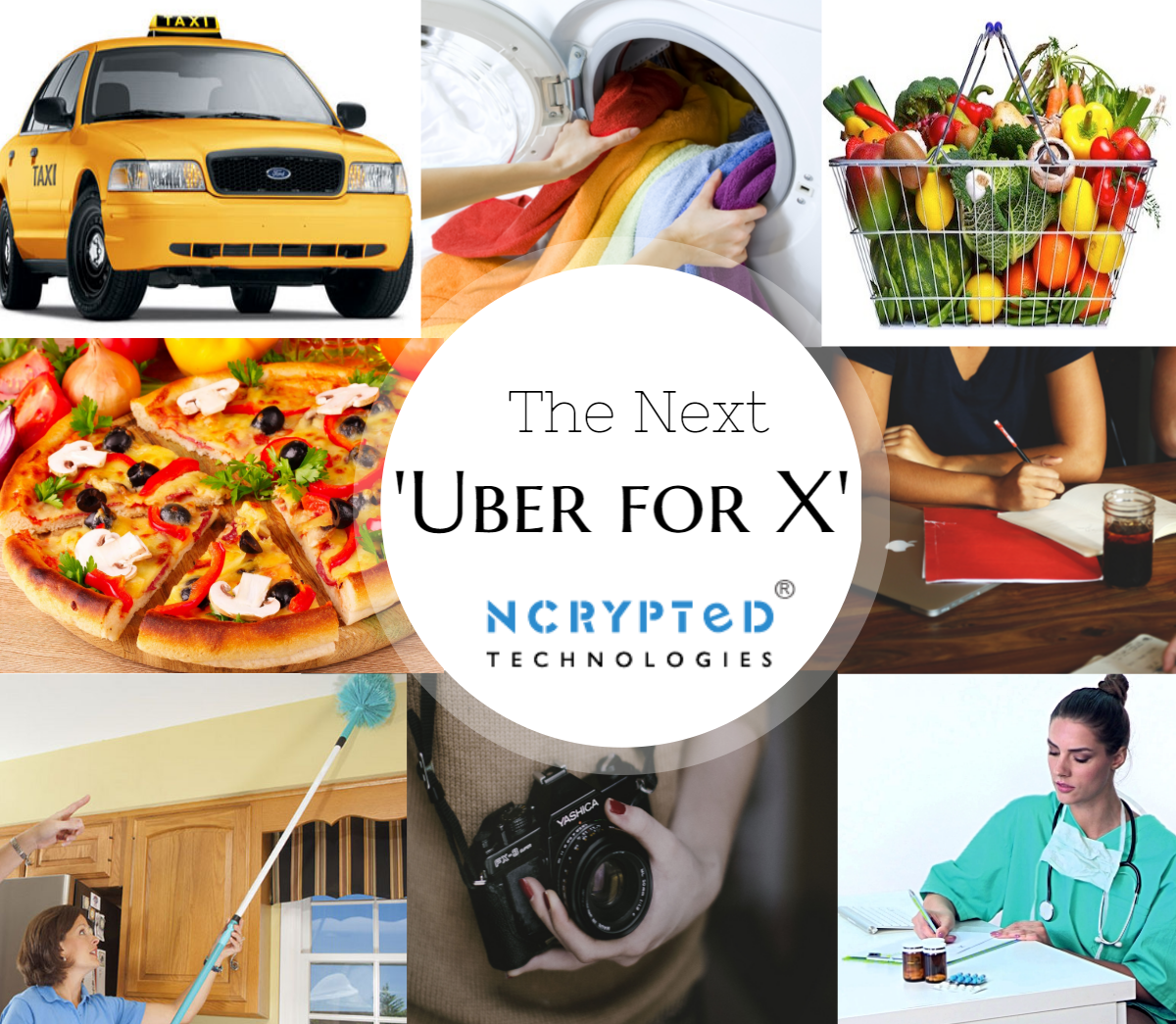
‘Uber for X’ is defined as On-Demand Mobile Services (ODMS) for X. Just like Uber, transportation network company, offering on-demand transport facility by connecting the uber drivers and the consumers with just a click on the App. The Variable ‘X’ can be replaced with any other niche services like food, pizza or wine delivery, groceries, home services, doctor, laundry, massage, and list goes endless.
Recently, the news has been published regarding the Australian jurisdiction for approving ride sharing services like Uber to legally operate in the city of Canberra and Victoria likely to be the next. This increases the business opportunities for the Australian entrepreneurs to start their own ride sharing business.
Find out how we can help you to create your on demand services marketplace and make it your next big ‘Uber For X’ venture.
Entrepreneurs, highly motivated with such ‘Uber for X’ models, have plunged in the rat race of integrating their startup firms and business with on-demand platforms. Investors and Venture Capitalist constantly strives for such startups firms and businesses for funding them and substantially increase their potential growth. There has been many such ‘Uber for X’ that has got funded, but unfortunately one of them, ‘Homejoy’ – an on-demand house cleaning service , could not cope up in the market due to several management issues, but there are few like Sprig – food delivery services, that has raised huge funds and boomed in the market.
So, if you are the next ‘Uber for X’ and are ready to raise funds, take a breath and read the 5 Guidelines given below that can help you get better funding opportunities:
1) Focus on the right niche market – ‘Uber for X’ ideas for you that work!
Instead of trying every possible service, you should focus on serving niche market that can increase your growth. There are multiple alternatives available for ‘X’. You should always analyze the market and provide the service that is actually in demand, which can be provided on-demand and the area where it needs the most.
Let’s discuss some of the niche markets where few on-demand mobile services are actively engaged:
ODMS
Niche Market
Ola, Uber, Tripada, Taxi.EU
–
Transportation
Sprig, InstaCart, UberEATS
–
Food and Grocery
Washio, Cleanly, MyWash
–
Laundry
TaskBob, HandyBook, HouseCall, Urban Clap
–
Home services
The above list is not limited to this, there are uncountable ODMS serving the niche market round the world.
2) Make sure the business model you choose is relevant
Being a startup business, choosing the best business model is the most critical decision. The success of your business largely depends upon the business model you choose. For more assistance on Business Model you can refer to Top 7 Revenue and Business Models for Internet Startups.
3) Selection of the platform and scalable architecture
Website, mobile applications and browser/desktop software – all go hand in hand. You have got to think and decide which all platforms you’d get started with? Would it be a website or a mobile app or both? For mobile apps again, would it be an app for Android, iOS (iPhone/iPad), Windows Mobile, Blackberry or all?
Further, the app you use for ‘Uber for X’ should have scalable architecture that has the potential to handle great amount of work. The target audience should get high performance application without any kind of disruption while using its services.
4) Aesthetic design of the app
An undeniable part of the appeal of an App is its look and feel. The application you want to represent your ‘Uber for X’ should possess a complete aesthetic design that compels the customers to use its services. If you cannot be uniquely creative, you should persist best design features of already famous apps like that of amazon, facebook, uber, etc.
5) Tuck in best features
Make sure that you provide all the basic features that are indeed required for smooth operation of the platform. The essential must-have features to insert are Social Integration, Geo Location, Maps Integration and Mobile Payment. You should also include feedback system that gives the customers quick way to leave comments, suggestions and feedback. There are plethora of other important features that we can discuss related to your business model, market niche and target audience. Please get in touch to know more on this subject.
How NCrypted delivers business value?
Our primary focus would be on understanding your requirements and providing you with technology solutions while keeping your target audience and market in mind. We understand that a serious project is an on-going engagement that requires technical, functional, financial and emotional commitment. We want to believe in your idea as much as you do. Get in touch to find out how NCrypted can help bring your idea to life so that you can go to market with confidence.
As the era of ‘Uber for X’ is still trending, there is going to be an exhaustive list of the competition in coming months. We hope the above guidelines will help you get your initial traction which is crucial to get funded and long term sustainability in the market.
Here are some of the business model blogs articulated by NCrypted Websites. These will further help you understand how does online business work!
Entrepreneurs most of the times get puzzled when it comes to defining a firm startup business model and revenue model for their startups. A business model describes the rationale of how the startup creates, delivers and captures value. Quite surprisingly, many business owners often overlook this very important aspect of starting a business and get into a catch 22 situation later on.
For the startup, it is foremost important to understanding the difference between a business model and a revenue model or strategy. It is crucial to discuss and decide a solid startup business model right upfront while you are at the ideation/conceptualization stage. You may then focus on building the product and creating user engagement followed by marketing strategy. Of course, revenue model can be changed later on as well if your initial focus for a couple of years is completely on traction (scale, user generation) and not on revenue, but that will require angel or venture funding backup as you can’t survive for long without cash.
Mainly when it comes to revenue models, it can easily be categorized as one of the following three segments:
Membership Plans or Subscriptions
Advertisement
Commission
Direct Sales
However, if we further bifurcate these categories, we can have the following 7 best startup business models that you want to choose from for your digital/internet startup (dotcom business). We will try to understand business models based upon the revenue generation strategies here, for convenience:
Marketplace
Advertising
Affiliate
Subscription
Merchant
Manufacturer/Direct Selling
On Demand
Let us discuss each of these startup business models in detail.
Marketplace based business model for startups
Market-makers: Marketplaces bring buyers and sellers together and facilitate transactions. Some of the biggest internet companies and successful startups have marketplace business model. E.g. eBay, Upwork (Elance), Uber, Airbnb, Paypal, Alibaba, Amazon, Kickstarter etc. They are not involved in direct selling but rather let their platform turn into a marketplace where buyers and sellers can meet. Revenue generation is normally through commissions or membership plans for marketplace based business models.
Types of Marketplace Business Model
Marketplaces are one of the hot business models most startups prefer going with given it’s ease of doing business and win-win situation that it creates for all stakeholders involved. Marketplace based business model often collides with sharing economy business model, peer-to-peer (P2P) business model, auction and reverse auction business model segments.
Sharing Economy Business Model
Peer-to-peer (P2P) Marketplace Business Model
Crowdfunding or Crowdlending Marketplace
Business-to-Business (B2B) Marketplace
Business-to-Customer (B2C) Marketplace
Customer-to-Customer (C2C) Marketplace
Auction Business Model (Forward Auction)
Reverse Auction Business Model
Sharing Economy and P2P Marketplace Business Models for Startups
Airbnb is based on P2P sharing economy marketplace model while Uber is mainly based on peer-to-peer economy business model. The difference mainly lies in whether the model lets users to share assets or not; technically, whether it has a single dashboard or separate dashboard for both user types – buyers and sellers. Uber, for example, has separate apps for drivers/partners and riders/users and doesn’t allow each other to switch roles. A driver cannot book a ride him/herself and a rider cannot start driving from the same app/dashboard. Wherein, if you are having a vacation rental startup, you may want to consider providing common (single) dashboard to your users, so that a host can also book another vacation or bed-and-breakfast property somewhere else if he/she him/herself plans to visit another city and wants to rent a BNB, despite him/her being a host.
P2P Lending Business Model
P2P lending or crowdfunding business models have also emerged since the inception of Kickstarter, a FinTech startup. Other prominent P2P crowdfunding and P2P lending startups are LendingClub, Indiegogo. Ulule etc. In P2P lending and crowdfunding business model, the person who seeks funding is called the project creator or fundraiser. Fundraiser posts his/her funding requirement which gets fulfilled by a pool of investors called backers and thus making it a crowdfunding model. The marketplace platform owner typically takes commission on transactions as it’s revenue model.
How is Auction Business Model different from Reverse Auction?
Auction is where users compete with each other by placing their bids in order to obtain goods or services. The difference between ordinary auction and reverse auction is based upon who (which user type) places the bid. In ordinary auction (also called ‘forward auction’) buyers compete with each other by placing their bids in order to obtain goods or services for increasingly higher prices. In reverse auction, the sellers compete with each other by placing their bids in order to obtain goods or services, and prices will typically decrease as sellers underbid each other. So, for ordinary auctions, the product/good or service gets sold for the highest price and in reverse auction, usually, it gets sold for the cheapest price.
eBay has auction based business model wherein Upwork has reverse auction model.
Understanding the difference between B2B, B2C and C2C Marketplace Business Models
Alibaba has B2B marketplace business model where businesses (sellers) sign up to list their products for sell and other interested businesses (buyers) sign up to interact and establish contact for the purchase. Purchases and payments may not necessarily happen online within the platform. While payments are not facilitated on Alibaba.com, the Alibaba group started Aliexpress to allow payments facilitation.
Amazon has B2C marketplace business model wherein vendors sign up and list their goods for sell and end-users who are consumers sign up in order to purchase them.
C2C is symmetric to P2P wherein end-users connect with other end-users to engage and do business.
Why Marketplace based Business Model is the best for startups?
Primary reason why marketplace business model works for startups is due to it’s capability of supporting inventory lite business model. It is also called zero waste as it has zero inventory and almost zero to little overhead. You can literally run your startup virtually without any office space, warehouse or sales office. Both the sellers and buyers sign up and meet on your online marketplace platform and conduct business there. Alibaba’s immense popularity was mainly credited to the high demand of Chinese products in the rest of the world and it being a marketplace where it did not have the burden of having any inventory at all.
Inventory cost is a significant factor and consumes a lot of startup working capital that becomes almost zero or negligible in marketplace based business models.
Amazon is another big company that has marketplace based business model although no longer inventory-lite. New startups generally tend to copy popular business models of other successful startups. And since majority of successful startups and big companies today in the digital segment are based on marketplace business model, it becomes easy and convenient for new and upcoming startups to pick it up.
Advertising – Ad based Business Model
Ad based business model is the most obvious and popular of all business models for any internet startup and the most time consuming one as well to get any reasonable traction. Startups with this business model would be providing content and services mixed with advertising messages in the form of banner ads. E.g. Google, Monster, Indeed, Yahoo! and most of the classified sites such as Craigslist, OLX, Letgo, Gumtree.
Most of the content driven websites, apps and portals work on this business model and revenue strategy. While it is easy nowadays to partner with popular ad networks such as Google Adsense and integrate ads into your web pages, startups must note that it is not easy to get a steady revenue stream as it might seem. Creating and curating content is one part of the business while attracting relevant traffic to your site and keeping them with you is another. As per a research, more than 98% of startups with this strategy shut down within first 2 years due to insufficient cash flow. So, the odds are not in the favor of this easiest business model based on advertisements. But, if you know your way around and have a niche market or product to focus on, advertising based startup business model can become your cash cow.
Affiliate Business Model for Startups
The affiliate business model provides purchase opportunities wherever people may be surfing. It does this by offering financial incentives (in the form of a percentage of revenue – commission) to affiliated partner sites. E.g. Amazon affiliate program. Commissions could be based on clicks, called as cost per click (CPC), impressions known as cost per thousand impressions (CPM) or it could directly be based on an action like a sale, known as cost per action/acquisition (CPA) or cost per lead (CPL).
Interestingly, there are affiliate marketplaces as well such as Commission Junction (CJ), JVZoo and Clickbank which provide a marketplace based approach to publishers (website owners/webmasters) and advertisers to meet and facilitate transactions.
Psst! We have an affiliate network solution (affiliate script) that enables you to start your own affiliate network website similar to Clickbank, JVZoo etc. Contact us to know more on this platform.
Subscription based Startup Business Model (Membership Plans)
Subscription business model is a startup business model where the user pays a charge to use the service. Traditionally, subscription business model was pioneered by newspapers and magazines. Users are charged a periodic – daily, monthly or annual – fee to subscribe to a service. This is also called pay-as-you-go model. E.g. Spotify, Netflix, LinkedIn, Techlist, SoundCloud. Conceptually easier among all startup business models since you will not have to deal with any 3rd party for any payment facilitation, but, in most cases, it slows down your growth as you are asking your direct users to make a payment before they can use your website’s service. You will have to sacrifice on growth if you implement this startup business model during inception.
Subscription business models can be further classified into the following:
Premium Subscription Model
Freemium Business Model
Premium Subscription Business Model
Netflix revolutionized the way we watch TV wherein it brought video content to be delivered over the internet through it’s easy-to-use mobile app and charged users a monthly subscription fee to watch the shows. Spotify did the same Netflix model to music by allowing users to listen to songs through it’s mobile app for a monthly subscription fee. Skillshare, an EdTech startup, initially started where consumers would buy educational content for a one time fee but later on pivoted to a premium subscription model wherein the users would get unlimited access to all the content for a monthly subscription fee. Since the monthly subscription fee is far less than a one time payment, this model worked very well for Skillshare. The key for subscription business model would be in getting a good volume of users willing to sign up for the subscription as typically the fee would be much low on the basis of unit economics.
Freemium Subscription Business Model
Freemium business model is a startup business model wherein primary features or services are available for free to the users and a subscription fee is levied for some premium features or services. Freemium is derived by combining ‘free’ and ‘premium’. LinkedIn is popularly running on freemium subscription model wherein the users sign up to use most of the features of the platform, but some VIP features would require them to go for a periodic subscription.
I would suggest to have a free membership plan initially, if your financials can support that, similar to what WhatsApp is doing, like 1st year free, and then start charging though they haven’t yet as of date. This is a good idea if you firmly believe in your product and think that once people get used to it, they will come back and keep using it even at a cost.
However, if you don’t want to take such a long risk and think that you will lose on some potential revenue meanwhile by completely allowing free access, what you can do instead is to have multiple membership subscription plans wherein you limit access to your site features based upon membership plan selection. e.g. free, basic, premium wherein you would charge some periodic amount on basic and premium membership plans.
Merchant Business Model
Wholesalers and retailers of goods and services. Sales may be made based on list prices or through auction. E.g Amazon.com. This startup business model, however, requires you to either store or facilitate inventories and your success will have high reliance on how good you are at supply chain management. If your project budget is good enough, you can let your product and technology take care of most of this similar to how Amazon is doing it. Having the right product here upfront is essential and then you’ve got to make sure it is scalable and robust.
Direct Selling Business Model for Internet Startups
A company that creates a product or service to reach buyers directly and thereby compress the distribution channel, normally has a direct selling business model. E.g. Dell Computers (Dell Inc.). There are a lot of traditional shops setting up their own e-commerce websites in order to sell their own line of inventory.
Direct sales pioneers such as Amway and Avon understand the importance of this business model and the immense opportunity that it has. Direct sales accounted for US$183 billion sales worldwide in 2016 and there are 107 million direct sellers, according to WFDSA (World Federation of Direct Selling Associations).
Chloe + Isabel is a new age direct selling startup that is empowering students and entrepreneurs to work from home. Chloe + Isabel is a social retail startup that designs, produces, and directly markets fashion jewelry. Interested sellers or merchandisers can sign up and create their own online store to sell their jewelry and earn a 30% commission utilizing the startup’s technology infrastructure. The startup has seen incredible success using direct selling model, and increased loyalty of its sellers (who are also its customers).
Direct sales business model for startups is perfect for today’s economy where people are more willing than ever to supplement their income, and seek new career paths, while not having a conventional job. Unlike Baby boomers, Millennials are more inclined to become their own boss and the rise of freelancers is a current proof of this trend. With unemployment still high, and more companies offering supplemental income opportunities, this model continues to rise in popularity. Social media allows sellers to reach more people than ever, increasing their success as merchandisers, and bringing in higher revenues for the company.
While direct sales is the business model for the direct selling startups, for it’s resellers, commission becomes the natural business model.
On Demand Startup Business Model
The utility or on-demand startup business model is based on metering usage, or a “pay as you go” approach. E.g. Consultancy, accounting work, contractual services, web and design development work etc. fall under this business model.
Uber is the pioneer in shaping up the on demand economy and has taken the on demand industry by storm. On demand Startups like Uber, Instacart, UrbanClap, UrbanLadder, Handy etc. provide stead contracted work for consumers who want to become solo-preneurs. Solo-preneurs are freelancers confused with entrepreneurs. Startups like Uber, Olacabs, Lyft, Oyorooms etc. are marketing on this very concept that they are creating new entrepreneurs in their respective industry verticals, such as transportation and hospitality.
‘Uber for X’ startup business model concept emerged following the tremendous reception Uber enjoyed after it’s inception. Startups such as Handy, UrbanClap, UrbanLadder, YourMechanic, Postmates and, now defunct, HomeJoy provide handyman, on demand delivery and household services at a moments notice, servicing a need for consumers that was not previously available. Washio provides the same on demand services for dry cleaning and laundry sector.
The rise of on demand startup business model has opened up the doors for a horde of ‘user for x‘ startups in different niches such as:
Food & Beverage Service (similar to Munchery, Zesty, Doordash, Drizly)
Logistics Service (similar to Doorman, zipments, shyp)
Check out our on demand services for more details on on demand startups and on demand app development.
So, what do you think about this article? Did we cover the vertical you were interested into or are we missing out on something? Share your thoughts in the comment below.
The year of 2014 is almost at the verge of its end. But it leaves with some fascinating trends that are to be continued in the year of 2015.
Boom of Ecommerce
Among few other trends, one that really grabbed the hold of consumers as well as media is the boom with which Ecommerce Industry hiked the sky rocket way in the later part of 2014. Had anyone even thought or imagined that the consumers would inspire the investors to invest mammoth amounts in some of the leading and start-up Ecommerce ventures? News of Indian Ecommerce website Snapdeal having received whooping investment of $866 million and Malaysian Ecommerce firm Tokopedia $100 million in the year 2014 rang a bell not only to media but also to conventional retailers. This definitely raises the curiosity about what are the benefits of this trend?
Benefits of having your own online store
No rent: Having a physical store means paying the rent for the premises or invest great deal of amount to purchase one.
Limitless Volume: Having your own online store means opening the possibility of reaching out to millions of prospective consumers, no bars hold.
Store open 24 hours/day, 365 days/year: Opening the shop in morning and then closing at evening is no longer required. Consumer can buy the product at the clock of midnight too.
No unnecessary arguments: You display the product/s with all the features and images. The hassle of still explaining the product physically goes off.
Confirm payment: No need to place the plate which says “debit is not accepted”. You sell the product and get paid.
And above all, you can add hundreds or thousands of products without worrying about physical size of the shop! It’s online and hence limitless.
The process of setting up online store – how does it work?
One word answer is “simple”. Yes, get a ready-to-use and customizable ECommerce Script and you’ve your very own online store ready to print the cash ! Looking at the progress of Ecommerce industry in India, offers the easy options to set your own store without worrying about technical aspects of it. Days of worrying about shopping website design are gone. Such an easy to use and robust module comes in a dynamic way that with the basic knowledge of computer you can design your online store with a few clicks. All the tiresome process of development comes in ready-made module.
How NCrypted comes into place?
Business once established should run smoothly – that’s the basic idea of every owner. No one would like to or have time to entertain minor or major bugs once the store is live and consumers are hovering over. That would look so unprofessional and may affect the brand and ultimately business. NCrypted having served more than 400 medium to large scale clients and start-ups on 1,400+ projects across 40+ countries world-wide has become a trusted brand when it comes to technology solutions. Be it a range of industries from Travel to Social Media, Agriculture to Ecommerce, Finance to Education, easy to use and customizable web scripts are designed and provided for a hassle free operation of running an online store.
Few tips that can be useful prior to setting up your own online store
Domain: Name is the most important factor for any business. Likewise a domain name for an Ecommerce website is what defines it. Choose it wisely making sure that it’s easy to remember and conveys the meaning of your business.
Hosting: Domain and Hosting are like husband and wife! Having one of both weak can create problems! Choose a hosting company which is reliable and cost-effective.
Start small: Do not plan on adding up hundreds or thousands of items at the start. Of course, unless you’ve got an angel investor backing you up! Start with what you’re capable of managing. This would help you serve your consumers satisfactorily earning you the trust and build a genuine brand to run the business for a long time.
Few tips for promoting your store once it is live
Social Media: Set-up social media accounts with proper images and content. Do not spam them but keep them interesting and informative. Promote your products and upcoming news in a creative way that the consumers feel like visiting your social media existence again and again.
Subscribers: On registration page put an option for consumers to subscribe for e-mail newsletter. Send periodic e-mails. Remember the rule of being creative and informative while doing so.
Maintain a Blog: Make this a medium to talk to your consumers directly where they can also share their inputs in form of comments. Not to forget, post periodically about what is happening NEW at your online store.
Ecommerce trend is here to stay
Farmers harvest crops keeping the season of monsoon in mind. It is an easy logic to grasp. No need to be a scientist or extra talented person to understand this basic fact. Similarly, to get the optimum output from current wave of Ecommerce, this is the right time to take the step forward and hunch the bread! Consumers have adapted and getting adapted further to this wave. Now it is not considered as a variety but something that is to be practiced as basics. Notion is very strong and the year of 2015 is bright and calling out for you! Are you listening?
Alibaba to get listed on NYSE with an estimated $20 billion public offering
Alibaba, the giant B2B marketplace platform, is expected to zap the public market debut and is considered to be all time largest U.S. IPO. This gives a promising hint to dulling down New York Stock Exchange (NYSE). This IPO is expected to be included in the list of few tech companies which rocked NYSE, such as Twitter, Facebook, Candy Crush maker King and IMS health. It is noted that Alibaba Group is a Hangzhou based private group which owns e-commerce businesses such as B2B online web portals, online retail and payment services, data-centric cloud computing services and a shopping search engine.
Alibaba IPO – Poised to be one of the largest IPOs worldwide
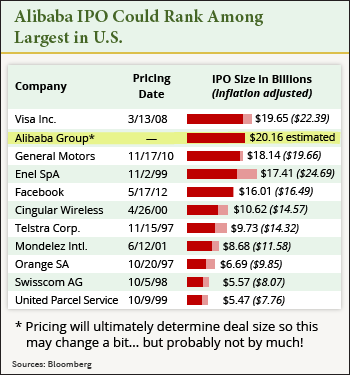
China’s response to Amazon, Alibaba represents more than 80% of all e-trade in China, the planets’ second-biggest economy. Alibaba is planning to raise US$20 billion through this offering. So it’s no astonish that when the B2B e-business titan at last rings the opening ringer under the image “BABA”, it is relied upon to be the biggest US tech IPO ever, overshadowing Facebook’s $15 billion beginning offering from 2012. Alibaba IPO could also rank among the largest IPOs worldwide as well.
Surpassing Facebook’s imprint is a tall errand; however it doesn’t appear to be so overwhelming when you acknowledge exactly how enormous Alibaba is: the e-trade behemoth once did $5.75 billion in deals in only 24 hours. The organization has additionally put intensely in Chinese engineering, with possession stakes in numerous productive organizations
What’s more now there’s Alibaba, which is esteemed at around $168 billion, as per a study of analysts in April, 2014. On the off chance that it auctions an around 12 percent stake in the organization, as Bloomberg’s sources expect, it could raise to the extent that $20 billion. That would make it the biggest IPO ever, in front of Facebook ($16 billion), Visa ($17.9 billion), NTT Mobile Communications ($18.4 billion), and the Agricultural Bank of China ($19.2 billion).
Promising Revenue Stream
Alibaba goes through a constant comparison with US e-commerce giant Amazon. But now with the news of listing on NYSE, other names that are added to list of comparison are Google and Paypal! Reason being, Alibaba too operates with numerous working parts and sections and is active in versatile field of business as mentioned above. Though, the reports say that the maximum portion of earning comes through commissions generated on B2B platform through purchasing and advertising. This alone generated the huge income of $3.76 billion in net income in the year 2014. And if we look at the total gross income, it was calculated to whooping $270 billion which according to a survey is more than double Amazon’s total income of around $100 billion in the fiscal year 2014.
Alibaba Group hasn’t unveiled what number of shares it plans to offer or a normal offer value however gauges are for an offer of around 15 billion US dollars. The choice to rundown on the NYSE is a hit to the Nasdaq, which had likewise been courting the Chinese organization. Experience Yahoo- -which claims 22% in Alibaba, were level in twilight exchanging.
The Alibaba IPO was not generally bound for American shores. At first looking to rundown with the Hong Kong market, the organization spurned its home trade, in light of the fact that the business was uncomfortable with the organization’s administration structure. At its center, Alibaba has a 27-individuals joint-venture, i.e. partnership that settles on most choices and assigns the share of board members, which the Hong Kong trade guaranteed damages, its standard of one-impart one-vote.
Reports say that Alibaba would go public in the month of August, 2014.
The story of Alibaba going to be listed in NYSE is indeed a story to follow and get inspired from. For the reason being, it delivers a message to all traditional retail marketers about the importance as well as prospective of e-commerce platform. Of course, Alibaba’s success is one that cannot be compared and cannot happen with all the companies but even if a portion of such a success is if the possibility, retailers should definitely think of establishing their online store.
Consumers prefer to buy online and Alibaba’s mammoth success is an example to follow.
Got a similar B2B marketplace idea to discuss? Get in touch with us to find out how we can bring it to life.
Recently, leading Indian e-commerce brand Myntra was taken over by Flipkart for an estimated $300 million. This shows the inclination of Indian consumers towards online shopping. Online retail market is taking over traditional retail market for several reasons which vary from; easy return policy, free shipping, coupons, free gifts and many more. Just to get a gist about whether online retail market is taking over traditional retail market or not, few e-commerce names would do the job, such as Amazon, Staples, OfficeDepot, Reebonz, RedMart, Flipkart, Myntra, SnapDeal and many more. In recent two-three years, numerous such e-commerce sites have mushroomed online by giving intense rivalry to traditional business and are making a change into the very definition of shopping by alluring consumers with whooping facilities, discounts and above all choice of items just a click away.
Trend towards online shopping is now developing with uncommon pace as the trust of online purchasers is expanding gradually. If we talk about current conduct of Indian buyers, specialists have assessed that the pattern of e-shopping will boom in arriving years. There are MNCs keeping an eye on this trend, for instance Walmart is planning to enter into India with its online presence.
Early adopters have already started thinking on having their e-presence and making most out of the trend, and at the same time growing business by reaching to multiple consumers and widening the horizons and reach of their brands before they get outpaced by the relentless progress of e-commerce trend.
High Time to go online for traditional retail shops
Propelled innovations and web provisions with safe transaction certifications are giving the needed inspiration to the new age Indian purchasers to shop on the web. This era belongs to the generation who believes in utilizing their time at its best. Having products that you want to buy, right in front of your screen, and with quite less the hurdle, you can have it at your doorstep! This not only saves time, but also adds the level of comfort in life of the consumers. No queues, no time wasting in asking where to find what and no issues of change! Pay it online, get at doorstep (shipping/home delivery).
Traditional retailers seriously need to give a thought to this. If they wish to remain in business or say take advantage of the current trend of online retail market, having an e-commerce site for their business is must. And it’s not such a big deal to have one. There are web platforms from where you can avail ready-to-use ecommerce script to launch your own website in matter of days. You will have the replica of your traditional store in an online format in matter of a week or month’s time and then you will wonder why didn’t you jump in the trend earlier!
Get in touch with NCrypted to see how we can bring your shop online and help you go to market with confidence.
Interesting case studies understanding hot on demand startups:
The purpose of having business website is to get global presence across the world. No matter what products and services you are offering either online or at retail shop. Your website represents or reflects you or your brand or services operated from central location of business. No other way to get global presence other than having business website and setting up business website in proper manner as it should be.
Creating online presence along with trust is bit daunting task. Marketing efforts consume much time and some extra efforts will not suffice to boost your business website. There are many such mistakes that website owner does while launching their business website or website clone; try to avoid the following 5 mistakes to get visibility and trust for your website online in your niche market.
No Business Plan and Marketing Strategy
You might be aware that building a dream is like thinking about dream, without thinking you will not be able to dream and the same way you will not get immediate traffic as you launch your business website. General tendency of non-technical business person will think that by purchasing domain name traffic will be seen on their website. And it becomes difficult for those entrepreneurs who rly on online business.
So, before planning business website you need master business plan and marketing strategy to go ahead with business website and its promotion. Talking about business plan – it involves the following questions to be answered,
Business Planning & Marketing Strategy for your Website – What to keep in mind
What niche your business falls in?
Who are your targeted customers?
How to solve customers’ problems?
What are the strengths and weakness of competitors?
How to build trust and visibility on website?
Analytics and tracking system
Differentiating SEO and PPC
Knowing importance of social media
Review affiliate marketing
Understand Work Involved
Developing a website just by thinking that you will get easy money, and then you are in myth you won’t get that much easily. It involves much work beyond you do business just by order and delivery. Business website requires complete attention along with trial and error strategy by analyzing which strategy is working most and which strategy is not and by which strategy website can drive huge traffic?
You will need to have bulls eye for business structure, though you outsource some part or work and along with you need to spare much time for continuous improvement on your site.
Choosing Host and Platforms
There are plenty of free host providers in market providing free hosting services like Weebly, Blogger and many more. Initially you can start with these platforms and gradually you can move on your own domain.
We would recommend paid domains and host if you have sound financial background, because there are many issues related to free domain and the big one is no one will trust your website as it is hosted on free domain. So investing some dollars would not be a bad investment.
Too Blog Focused
There are many free blog sites are available in market offering free blogging services to clients and clients continually posting news and updates over there. Blogging sites are specially meant for posting some information or news of company through which company can gain good visitors from there. So don’t post unnecessary blogs just for link buildings. Avoid being much more focused on posting blogs.
Imbalance between Design and Message
Design of websites plays crucial role in catching visitors on website and stick to it, instead bouncing back from your site. Design of a website should convey message of your business or stating goal of your business to visitor visiting your website and one major thing that also plays vital role in engaging customer is quality content.
So these are top 5 mistakes that every business owner should avoid before launching their site.
Crowdfunding, at its simplest, is people coming together to support something they believe in. An idea, a product, a cause, it could be anything. These platforms make it easier for someone with a vision to find others who are willing to help bring it to life.
You might already be familiar with sites like GoFundMe or Kickstarter. They did not just show up and get lucky. There is structure behind them, yes, but also something more important – an understanding of people and how to build trust.
If you are thinking about starting your platform, there is a lot to consider. Who are you building this for? Why would someone choose your platform over another? And how do you make sure it feels real, not just functional?
There is no one-size-fits-all formula. What works for one platform might not work for another. The key is to focus on real needs, keep things clear and simple, and build something that feels helpful from day one. That is what this guide is here to explore.
Planning and Preparation: Laying the Groundwork Before You Build
Before you get caught up in design mockups or picking the perfect domain name, take a breath. This is the part where you figure out what you are building and why it should exist in the first place. It might not feel exciting compared to the visual stuff, but it is where everything begins. Skip it or rush through it, and there is a good chance you will run into problems that are way harder to untangle later.
Let’s be honest, most people want to move fast. There is pressure to launch quickly, to start showing results, to prove that the idea works. But slowing down here, even just a little, can make the difference between something that struggles to stay afloat and something that works long-term. It gives you the space to ask the questions that matter: Who are we building this for? What are they trying to do? How will our platform help them do that better?
You do not need to have every detail figured out right now. That is not the point. The goal is to start building with intention, not just momentum. When you know what you are aiming for, every decision that comes after – whether it is about features, pricing, or even who to hire- gets a whole lot easier.
This section is about setting the tone for everything that comes next. It is where you put down your compass, not your map. You are not locking yourself into a single path, but you are making sure you know which direction you want to go.
Identifying Your Niche and Target Audience
One of the first real choices you will have to make is deciding who your platform is actually for. Not in a vague, “anyone who wants to raise money” way, but in a clear, specific sense. This is where a lot of crowdfunding platforms start to blur into each other. When you try to be everything to everyone, you end up standing out to no one.
The best-performing platforms out there? They picked a lane and committed to it. Some focus on nonprofits and social causes. Others are built for creative projects, tech gadgets, or small business funding. Each one feels like it was designed for that crowd, not just adapted to it. That is the kind of focus you want.
It does not mean you are stuck with that niche forever. It just means you are starting strong with a group you understand and who will feel understood by you.
Start With What You Know
If you are already part of a certain industry or community, that is a great place to begin. It gives you an edge most people overlook. You already speak their language. You know what motivates them, what they struggle with, and how they think. Building for a group you genuinely understand makes your decisions faster and way more grounded.
So if you have a background in the arts, maybe a platform for creatives makes sense. If you have worked with early-stage founders, maybe your edge is helping them raise funds without giving up control too early. Use what you already know to your advantage.
Talk to Real People, Not Just Personas
It is easy to fall into the trap of creating audience profiles that sound nice on paper but do not match real people. Skip the fluff. Instead, reach out and talk to the kind of users you want on your platform. Send a few messages. Ask for ten minutes of their time. Most people are willing to share what they need, as long as they feel heard and not sold to.
Ask simple things: What frustrates you about raising money online? What tools do you wish existed? What would make you trust a new platform enough to use it?
The answers you get might surprise you. And they will be way more useful than anything you read in a trend report.
Pay Attention to Who You Do Not Want to Attract
This one gets skipped a lot, but it matters. Who is not a good fit for your platform? What kind of users would stretch your resources, clash with your values, or turn the experience into something you do not want to manage?
Drawing a line early helps keep your platform clear, focused, and easier to grow. You will not waste time trying to accommodate people who were never the right fit in the first place.
Narrow Beats Broad Every Time
It is tempting to cast a wide net in the hope of reaching more people. But especially in the early stages, narrower is better. When your platform speaks directly to a specific group, whether that is indie game developers, local nonprofits, or student inventors, it has a much better shot at gaining traction.
The moment people land on your site, they should feel like, “Oh, this was built for someone like me.” That kind of connection is what turns first-time users into loyal ones.
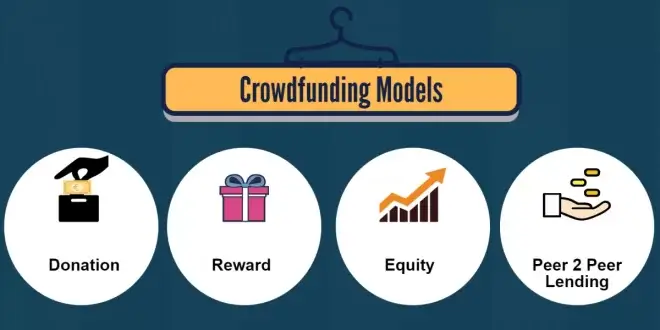
Choosing the Right Crowdfunding Model (Donation, Reward, Equity, Debt)
#crowdfunding_models
So now that you have a clearer idea of who your platform is for, it is time to figure out how it will work. And by that, I mean how will people raise money? What are backers getting in return, if anything? What rules and expectations come with that?
There is no one-size-fits-all model here. The model you choose shapes the entire user experience, so it is worth slowing down and understanding what each type really offers. Some platforms focus on emotional giving, some on product delivery, and others on investment returns. It all depends on what kind of relationship you are helping people build with money.
Let’s look at the four core models. Each one has its own purpose, strengths, and challenges.
Donation-Based Crowdfunding
This one is built on generosity. People give money without expecting anything back. These platforms usually support personal causes, social campaigns, or nonprofit efforts. Think emergency relief, medical bills, school fundraisers, that kind of thing.
Best for: nonprofits, communities, individuals with personal needs, and social campaigns.
Things to keep in mind:
Transparency matters more than anything here. People want to know where their money is going.
The platform needs to make giving feel safe and emotionally rewarding.
You will want to keep fees as low as possible as no one likes donating and then seeing 10% taken off the top.
Learn more about GoFundMe, which operates on a donation-based crowdfunding model
Reward-Based Crowdfunding
This is where backers fund a campaign and get something in return. It could be a product, early access, exclusive content, or even just a thank-you gift. Platforms like Kickstarter and Indiegogo made this model popular, especially for creators and inventors.
Best for: tech gadgets, creative projects, games, film, books, and anything that can be shipped or delivered.
What to consider:
People are expecting a finished product or reward, so your platform needs to help creators plan and communicate clearly.
You may want to build in tools for managing reward tiers, shipping, and timelines.
Delays happen. Your platform should help set expectations upfront, so backers are not left in the dark.
Equity-Based Crowdfunding
This one takes things into investment territory. Backers are not just giving or buying something, they are investing in the business. In return, they get a small slice of equity. This model is more complex but appealing to founders who want to raise real capital without going through traditional investors.
Best for: startups, early-stage companies, and high-growth businesses looking for capital.
What you need to know:
You will need to navigate financial regulations, which vary by country. In some places, only accredited investors can participate.
There are legal structures, KYC checks, and compliance processes to set up from day one.
It is smart to work with legal advisors before touching this model as it is not something to wing.
This model connects people who want to borrow money with those who are willing to lend. Borrowers repay the money with interest over time. Your platform becomes the middleman that matches both sides, manages repayments, and handles the terms.
Best for: small businesses, personal lending, and alternative finance models in underserved areas.
Things to think about:
You will need solid risk assessment tools, things like credit checks, repayment history, and maybe even scoring systems.
Default handling matters. What happens when someone cannot repay? The platform needs a clear plan.
Like equity models, this one also needs legal oversight and licensing depending on where you operate.
Defining Clear Goals That Make Sense
Let’s be honest, without clear goals, it is easy to get lost in the noise. There are a million ways to build and market a crowdfunding platform, but if you do not know what success looks like for you, it is tough to make the right calls along the way. That is why setting goals early on matters so much. Not for a pitch deck or a presentation, but for yourself and your team, so you all know what you are building toward.
Some goals will be tied to growth. Others might be more about experience, or trust, or platform quality. Whatever they are, they need to be grounded in what is real and achievable for your stage, not just copied from someone else’s journey.
Let’s break this into parts that are easier to work with.
Define What “Success” Actually Looks Like
This might sound obvious, but seriously, most people skip over this part or go too vague with it. Try to picture your platform six months after launch. What does “it’s working” actually mean to you?
Is it 100 active campaigns? A 60% campaign success rate? Maybe it is just five campaigns that complete and get media attention. Your version of success is personal, so keep it aligned with your vision, your audience, and your available resources.
And it is okay if that picture changes over time. The point is to have something to aim at not to write it in stone.
Focus on Metrics That Tell You Something Useful
A lot of platforms track too much and learn too little. What you want are metrics that guide decisions, not just numbers that sound good in a report. So ask yourself, what will show me if this thing is heading in the right direction?
A few to consider:
Campaign Success Rate: How many campaigns reach their funding goals?
Average Contribution per Backer: Helps you understand how engaged your backers are.
Repeat Creators or Backers: If people come back, it usually means the platform feels trustworthy.
Time to First Backer: Tells you if campaigns are getting traction early or just sitting there.
You do not need to track everything. Just pick a few that reflect real movement and revisit them every couple of weeks.
Set Milestones, Not Just End Goals
Long-term goals are great, but they can feel far off and sometimes disconnected from the work in front of you. What helps more is breaking them into small, clear milestones. Stuff you can hit, check off, and build momentum with.
It might look something like:
Week 1–4: Complete platform prototype and test internally
Weeks 5–8: Launch with 3 beta creators and at least 100 testers
Weeks 9–12: Collect user feedback and make your first big round of updates
Each milestone keeps things moving and gives you something concrete to rally around. Progress feels more real that way.
Keep Space for Flexibility
Plans are helpful, but they should not be rigid. If something is not working, you need room to adjust without feeling like you failed. Maybe a feature people love in theory does not get used to. Or your users turn out to behave differently than expected. That is fine. The strongest platforms are built by people who pay attention and pivot when needed, not those who force the original plan to work no matter what.
Goals point you in the right direction, but it’s being adaptable that actually keeps you on the road when things don’t go as planned.
Building Your Crowdfunding Platform Step-by-Step
This is the part where things start to feel real. You have your niche, your model, your goals, now it is time to build the thing. And yeah, it can get overwhelming fast. There are choices to make about design, tech, user flows, security, payments… the list is long. But if you break it into parts and stay focused on the people who will be using it, it becomes a lot more manageable.
Let’s walk through the core building blocks that shape the user experience and lay the foundation for something solid.
Essential Features Your Crowdfunding Platform Must Have
Before getting into which tool or framework to use, think about what your platform needs to do. Not the fancy extras or the “nice-to-haves,” but the stuff that makes the whole system work smoothly for both campaign creators and backers.
At its core, a crowdfunding platform should do three things well: allow people to create campaigns, help others discover and back those campaigns, and handle transactions securely. That sounds simple, but it involves a lot of small pieces working together.
Here are the essentials you want to get right from day one:
Campaign Builder: Creators should be able to write their stories, upload images or videos, set funding goals, and add rewards (if relevant). Make this process as guided and friendly as possible as most people are not professional marketers.
Campaign Discovery: People need a way to browse, filter, and explore campaigns. Categories, search functions, trending sections, and “staff picks” go a long way in making the platform feel alive and active.
User Accounts & Dashboards: Both backers and creators should have simple dashboards where they can track progress, manage pledges, or get updates. If people cannot find what they need quickly, they are not going to stick around.
Secure Payment Integration: Whether you are using Stripe, Razorpay, PayPal, or something else, this part needs to be airtight. Backers must feel safe entering their details, and creators need a clear way to access their funds.
Communication Tools: Updates, messages, and thank-you notes build connection. Even basic tools that let creators post progress or respond to comments make a big difference in engagement.
You can always add more later, but if you nail these basics, your platform will already feel usable and trustworthy.
Tech Stack and Development Options: DIY, SaaS, or Custom Build
Alright, now let’s talk about how you are going to build the platform. There is no “best” way, just what fits your budget, goals, and level of technical involvement. Most people fall into one of three categories here.
Option 1: DIY Website Builders or Templates
This is the low-cost, fast-track option. There are platforms like WordPress with crowdfunding plugins or website builders that offer basic templates.
Pros:
Cheap to get started
No coding required
You can launch something quickly
Cons:
Limited flexibility
Might feel generic
Scaling gets tricky later
If you are testing an idea or building for a small audience, this might be enough to get rolling.
Option 2: SaaS Crowdfunding Solutions
There are a few white-label platforms out there that let you launch your crowdfunding site using their engine. Think of it like renting the backend and adding your branding on top.
Pros:
Faster than building from scratch
Built-in security, payments, dashboards
Some offer support and regular updates
Cons:
Monthly or annual fees
You do not fully own the tech
Custom features might be restricted
Good for founders who want to focus on growth and user experience instead of code.
Option 3: Custom Development
This is the full-control route. You hire a dev team or work with an agency to build everything exactly how you want it.
Pros:
Full control over features and design
Scalable and adaptable
You own the code
Cons:
High upfront cost
Requires more time and ongoing technical support
You are responsible for everything, like bugs, updates, and maintenance
If you are serious about building something long-term and unique, this is the route that gives you the most flexibility.
Ensuring Platform Security, Compliance, and Trust
Let’s not sugarcoat this, crowdfunding involves money, and anytime you are handling transactions, personal info, or investments, you have to get serious about security. People will not back projects on a platform they do not trust. And creators will not list campaigns if they feel like their data could be compromised.
This part might not be the flashiest, but it is where your credibility lives.
Basic Security Practices to Start With:
Use SSL certificates across the site. No excuses as this is non-negotiable.
Partner with reliable payment gateways that handle encryption and PCI compliance.
Set up two-factor authentication for account access.
Monitor for suspicious activity, especially around campaign creation or withdrawals.
You do not need to build a security team from day one, but do not leave things wide open either. Starting with strong defaults goes a long way.
Think About Legal and Financial Compliance
This is especially true if you are dealing with equity or debt-based models. Each region has its regulations, and you need to follow them or risk fines or worse, getting shut down.
At a minimum, talk to a legal advisor about:
KYC and AML checks (Know Your Customer, Anti-Money Laundering)
Terms and conditions for backers and creators
Refund and dispute policies
Data privacy laws (like GDPR, if you serve European users)
It is better to set these things up early than to scramble after something goes wrong.
Build Trust Through Transparency
People trust platforms that explain how things work. Use simple language. Show creators where the fees go. Let backers know what happens if a campaign fails. Be honest when something goes wrong. It is not about being perfect, it is about being real.
Trust is not built into your code. It is built into your communication, your policies, and how you show up when people are watching.
How To Get People Talking About Your Platform
You can have the most polished, functional platform on the internet, but if nobody knows it exists, it is going to feel like shouting into an empty room. A lot of platforms struggle in this stage, not because the tech fails, but because the people it was built for never show up. Marketing isn’t just a side task, here it’s the bridge between your idea and the users who’ll give it life.
The goal is to create a sense of movement before, during, and after launch. That way, you’re not just hoping people discover your platform; you’re giving them a reason to pay attention.
How to Build a Pre-Launch Community
Before the first campaign goes live, before you even open your doors to the public, you should already have people who are interested in what you’re doing. That early group of users, even if it’s just a few dozen, gives you momentum, feedback, and a bit of credibility when things go live.
Start Small, But Start Now
Do not wait for the perfect landing page or full branding to start building interest. You just need a place where people can sign up and follow your progress. That could be a basic email form, a private WhatsApp group, or even a casual LinkedIn post asking people to join a waitlist.
Be honest about what you are building and why. The more transparent and grounded you are, the more likely people are to support it.
Offer Value Before You Launch
Instead of just asking people to “stay tuned,” give them a reason to stick around. Share behind-the-scenes updates. Let them vote on early features. Interview future campaign creators and share those stories. When people feel involved, they are more likely to show up on day one, not just out of interest, but because they feel like they’ve been part of it all along.
Strategies to Attract Campaign Creators and Backers
If the platform is your product, then campaign creators are your lifeblood. And attracting them is not just about marketing, it’s about showing them that this is a space built with them in mind.
Make the First Few Feel Special
You only need a handful of solid creators to make your platform feel alive. So instead of going wide, go deep. Reach out to creators personally. Offer hands-on support. Feature them prominently on your homepage or social channels. Make them feel like early partners, not just users.
Creators are busy, and they’re taking a risk by joining a new platform. So the more you can show up for them, the more likely they are to stick around (and bring others with them).
Speak Directly to Their Needs
Generic messages like “Raise money online” do not stand out anymore. Instead, talk about their actual pain points, getting visibility, building an audience, or managing backers. The more your marketing speaks their language, the easier it’ll be to break through the noise.
The same goes for backers. Make it easy for them to discover campaigns that align with their interests, and highlight the impact of their contributions. People want to feel like their money matters.
Leveraging Social Proof and Early Momentum
There is a moment, usually right after your first few campaigns go live, where the energy starts to build. If you capture that moment well, it can pull in others naturally. If you miss it, things tend to stall.
Highlight Real People, Not Just Features
Social proof isn’t just logos or stats it’s faces, stories, and moments. Share updates from your first campaign creators. Screenshot kind of messages from backers. Record a short thank-you video after your first funding milestone. This kind of proof is way more powerful than saying “we’re trustworthy” on your homepage.
People follow people, not platforms.
Use Early Wins to Spark FOMO
Even if your platform is still small, small wins matter. Does a creator hit their goal? Share it. A backer posts about their experience. Screenshot it and celebrate. These signals help others feel like something is happening here, and they should be part of it before it gets crowded.
It is not about faking hype. It is about paying attention to the little sparks and turning them into fire.
Driving Platform Success
Once your platform’s up and running, the question shifts from “How do we build this?” to “How do we keep people engaged?” It is not just about launch-day excitement anymore. Now it is about keeping that energy alive, building trust, and making sure your platform is actually helping creators and backers do what they came for.
And honestly, that is where a lot of platforms hit a wall. They’ve got the tech, the campaigns, maybe even a few wins under their belt, but users don’t stick around. That’s fixable. It just takes a little more intention behind the way people experience your product day-to-day.
User Experience Tips That Keep Backers and Creators Engaged
Let’s start here, because this is where users often decide, without even realizing it, whether they’ll come back or bounce for good.
Make it Easy to Get Around
No one wants to hunt through menus or guess which button does what. If it takes too much effort to find a campaign, update a goal, or make a pledge, people will check out mentally before they do anything else. Keep things clean, clear, and familiar. You don’t need to be clever you need to be usable.
Don’t Make Creators Do the Heavy Lifting Alone
Creators already have a lot on their plate. If your campaign setup process feels clunky or confusing, it’ll just make things worse. Walk them through it. Offer tips, examples, and maybe even a little nudge when they get stuck. They’re your core users treat them like it.
Test It on Phones, Not Just Laptops
You’d be surprised how many people forget this. But a huge chunk of users will land on your site from a mobile device. If your platform doesn’t load fast or things don’t fit right on a small screen, you’re losing backers before they even start scrolling.
Customer Support and Community Building Best Practices
This part’s not glamorous, but it’s what earns you long-term loyalty.
Make Yourself Reachable
People should never feel like they’re yelling into the void when they need help. Even if your team is tiny, having one channel that gets real responses even a quick “we’re on it” builds trust faster than any feature ever will.
Talk Like a Person, Not a Policy
Support messages shouldn’t read like auto replies. If someone has a problem or just needs guidance, they’re probably already a little frustrated or unsure. A real voice makes a big difference. Even a short, kind reply can turn someone from annoyed to loyal.
Build a Space for Users to Feel Seen
A good community doesn’t just grow out of nowhere. You’ve got to seed it. Celebrate creators. Share campaign stories. Start discussions, highlight wins, and ask questions. Whether it’s on your platform, through socials, or in a small newsletter spotlight the people who are showing up. That’s what makes others want to be part of it too.
Data-Driven Decision Making: Track, Learn, and Improve
Data helps you cut through the noise. It shows you what’s happening, not just what you think is happening.
Start with What Matters Most
You don’t need a dozen charts to know what’s working. A few key numbers like how many people are backing, which campaigns are reaching their goals, or where users drop off will tell you 80% of what you need to know. The trick is checking those numbers often and acting on them.
Mix Numbers with Real Conversations
Sometimes the best insights come from quick chats, not dashboards. Ask your users how things are going. What’s confusing? What’s exciting? What made them hesitate? These off-the-cuff comments often point to stuff you would’ve missed just by watching graphs.
Make Small Changes Often
You don’t need to wait for a “big launch” to improve things. Small updates one clear CTA, one better message, one layout tweak can have a bigger impact than you’d expect. The more consistently you listen and improve, the more users will feel that they’re in good hands.
How to Build Revenue and Keep Your Platform Growing
Okay, so your platform’s live, people are using it, and maybe you’ve even seen a few campaigns hit their goals. That’s huge. But now you’re staring down the next big thing how do you keep this going without burning out? And yeah, how do you make some actual money from it?
Here’s the thing: it’s easy to get pulled in a hundred different directions at this point. Everyone’s got advice charge this much, scale this fast, raise money now, or never raise at all. But honestly, it’s not about following some formula. What works is what fits your audience and doesn’t mess with the experience they came here for.
So instead of trying to blow things up overnight, the smarter move is to build something that can grow naturally, with systems that support you not drain you. And if the revenue model feels like a good deal for your users too? That’s when things start to click.
Let’s walk through a few real-world ways to make that happen. No hype, just what works.
Revenue Models for Crowdfunding Platforms
There’s no single “right” way to monetize a crowdfunding platform and that’s a good thing. It means you get to shape a model that works for your audience, your niche, and how much involvement you want in day-to-day campaigns.
Platform Fees: The Classic Route
Most platforms take a small cut of the total funds raised, usually between 3% and 8%. It’s simple, familiar to users, and scales well. If a campaign raises more, you earn more. But be careful with this: if your fee feels too high (especially when payment processors take another bite), creators may hesitate.
Make sure your fee feels tied to real value. Are you offering tools? Support? Promotion? If so, be upfront about it. People are usually fine with fees, as long as they know what they’re paying for.
Subscription or Membership Tiers
This works well if you’re targeting professional creators or businesses who plan to run multiple campaigns. Instead of charging per project, you offer a monthly or annual plan with perks priority support, deeper analytics, extra promotion, whatever makes sense.
This gives you predictable revenue, and it signals to serious users that they’re investing in a platform built for them, not just another campaign tool.
Add-On Services
You can also build revenue through optional services. Think marketing help, video production, campaign consulting, or even featured placement on your homepage. If you’ve built a trusted brand, creators will often pay for support that improves their odds.
Just be clear that these are optional. You don’t want to create a system where only paid campaigns succeed that usually backfires.
Scaling Your Platform: From First 100 Users to Market Leader
Scaling is not just about growth. It’s about growing in a way that you can handle and that still feels good to the people using your platform.
Focus on Retention Before Reach
A lot of platforms try to chase thousands of users before they’ve figured out how to keep the first 100 happy. Don’t make that mistake. Your early users are your test group, your word-of-mouth engine, and your best source of feedback. Make sure they’re having a good experience before you start pouring in new traffic.
If they’re sticking around, referring friends, and running more campaigns that’s a signal you’re ready to grow.
Systemize the Stuff That Drains You
Growth gets exhausting if you’re doing everything manually. Start documenting what works onboarding emails, creator outreach templates, social media workflows so you’re not reinventing the wheel every time. Even small bits of automation make a huge difference over time.
Also, build in tools that scale with you. Things like analytics dashboards, campaign health checks, or automated payout notifications will save you hours every week.
Test, Tweak, Repeat
Scaling is not a straight line. Sometimes a tactic that worked in month two totally flops in month six. That’s fine. The key is to treat growth like a set of small experiments, not one big push. Try different audiences, partnerships, and even pricing then double down on what sticks.
Partnering With Influencers, Media, and Strategic Alliances
You don’t need to do this alone. Some of the fastest-growing platforms got their traction not from ads or content, but from smart partnerships that brought in new users and credibility at the same time.
Collaborate With Niche Influencers
Find people your audience already trusts like creators, founders, community leaders, and bring them into the fold. Let them run early campaigns, co-host a webinar, or review your platform publicly. It’s not about paying someone with a million followers. It’s about partnering with people who can genuinely vouch for what you’re building.
Influencer campaigns feel most natural when they’re framed as collaborations, not just promotions.
Build Relationships With Relevant Media
If your niche has blogs, podcasts, newsletters, or local media, get in there. Pitch them early, not with a polished press release, but with a story: what you’re building, why it matters, who it’s for. Small press hits compound over time and often get passed around more than you’d expect.
Also, a solid “featured in” section on your site, even with lesser-known outlets, helps build trust with new visitors.
Look for Win-Win Strategic Partners
Maybe it’s a nonprofit that wants to run campaigns exclusively on your platform. Maybe it’s a startup that offers tools to your creators at a discount. These partnerships often don’t need money involved just shared goals.
If both sides benefit and the users gain something, that’s a partnership worth investing in.
What’s Next for Crowdfunding (and How to Stay Ready)
Crowdfunding has come a long way from where it started, you know, a few creators asking their networks to chip in a little money to get passion projects off the ground. These days, the space is way more complex. It’s bigger, more competitive, and honestly, more interesting. If you’re building a platform right now, or thinking about it, the next few years are going to bring both opportunities and some curveballs.
Keeping an eye on what’s shifting not just in tech, but in behavior, helps you make smarter moves, adapt faster, and build something that does not get left behind.
Let’s talk about where things seem to be headed and how you can stay one step ahead.
The Evolving Landscape of Crowdfunding: What You Need to Know
The rules are changing. Not in a scary way, but in a “pay attention or fall behind” kind of way. People are expecting more now. More transparency, more tools, more connection and less of the old-school, clunky fundraising experience.
Here’s what’s shifting under the surface:
People Want Platforms That Feel Personal, Not Generic
Big, bloated platforms are losing steam. Users gravitate toward spaces that speak directly to their niche, their values, and their voice. Whether it’s eco-conscious creators or underrepresented founders, platforms that create safe, focused environments are starting to pull ahead.
Embedded Crowdfunding Is Picking Up
More brands and creators are running campaigns directly from their sites or apps skipping the middleman altogether. This “white-label” style setup is giving rise to more niche platforms and SaaS-style models that live inside existing communities.
AI Is Sneaking Into the Mix (for Better or Worse)
From automated campaign suggestions to smarter fraud detection, AI is starting to quietly support a lot of behind-the-scenes operations. You don’t need to go all-in on it, but it’s worth understanding how it’s being used to boost efficiency or improve user experience, especially on the support and analytics side.
Regulations Are Getting Tighter
Especially in the equity and lending space, governments are stepping in with more rules around investor protection, data privacy, and financial compliance. If you’re in that lane, keep legal in the loop early. What’s okay today might not fly tomorrow.
How You Can Stay Ahead of the Curve in a Crowded Market
The best platforms are not always the biggest ones – they’re the ones that know their audience better than anyone else and show up consistently. Staying ahead isn’t just about chasing trends. It’s about paying attention, testing ideas, and being willing to shift when something stops working.
Keep Listening (and Not Just to Metrics)
You can look at dashboards all day, but real insight comes from conversations, DMs, support tickets, random feedback emails. If your users feel heard, you’ll always be a step ahead of the ones trying to guess what people want.
Double Down on What Makes You Different
Don’t try to be a clone of the big players. That’s a race you won’t win. Focus on what you offer that they don’t, maybe it’s how personal your support is, how creator-friendly your process feels, or the community you’ve built around it. Own that.
Stay Light on Your Feet
Tech changes fast, and so do people’s expectations. The platforms that stick around are usually the ones that stay flexible. Keep your stack manageable, your team nimble, and your roadmap open enough to shift without too much stress.
Thinking About Starting Your Own Crowdfunding Platform?
Maybe you’ve been toying with the idea for a while. You’ve spotted a gap in the market, or you’ve seen what’s out there and thought, “I can do this better.” Whether it’s for a creative niche, a local community, or something way bigger, it starts with a clear vision and the right team behind it.
That’s where we come in. We help people build platforms that are clean, functional, and made for real users, not just copied templates. You tell us what you’re trying to build and who it’s for, and we’ll work with you to shape the platform around that.
It doesn’t need to be perfect on day one. It just needs to work and grow with you. If that’s something you’re serious about, let’s have a conversation. No pressure, no pitch, just a chance to see if we’re a good fit.
Quick Question Before You Go
Did this article help clear a few things up for you? If something didn’t make sense, or if you’re sitting on a question we didn’t cover, say something. You can drop a comment or reach out directly. We’re always up for improving what we share, and honestly, your feedback helps more than you think.
Trend of having ecommerce website for business is immensely popular nowadays and considered to be new driving force for businesses today. Of course, this didn’t happen overnight, but now ecommerce is commonplace online marketplace for product and services. A lot of companies are moving at least part of their operations online.
So it becomes necessary to analyze whether your e-commerce website developed using ecommerce script is getting proper response from billion dollars spent on online shopping each quarter? It might be possible that you’re not getting expected sales on online ecommerce script along with reducing pro reducing profit. To overcome this issue you must monitor several key performance indicators, which includes, cost per sales and acquisition, no of visitors and conversion, inventory levels, cost of goods sold and value of customers. Having ecommerce script for online business is more beneficial as you can clearly define business matrix to gain actionable insights to increase sales, revenue and profit.
Ways to monetize ecommerce script
Data Analysis in Correct Manner
There are many ecommerce websites which collects customer data on daily basis without analyzing the same in proper manner which results to false analysis. Just done by hiring part-time employees to analyze data who can’t decode data you need. If you want accurate data which increases revenue, needs data experts. For same your organization should adopt data driven culture with needed resources to collect data and analysis. There are many ecommerce scripts that run fully integrated digital marketing campaigns and along with it are more important to use mulch-attribution analytic to measure performance of various media channels. It will help you in better investment decision and to understand complete path that led to purchase.
Optimize Organically
It is obvious priority for any online store to get visibility across the world but that not always the case. Increasing sales can be a challenging task for sales team but if you analyze ROI which increases money left on table just by marketing organically using SEO techniques and getting on-board position organically in search engines. To get maximum benefit from investment, made by you, need an expert who is passionate about organic marketing and especially Search Engine Optimization. It becomes necessary to manage perfect information about products and services you offer. Marketing organically may consume time but rewards invaluable.
Conversion Rate Optimization
No matter you drive huge traffic on website and sales page doesn’t get optimal rate of conversion than it would be waste of resources you invest behind it. There is only key to improve conversion rate, which is rigorous testing that includes all kind of testing Alpha testing, Beta testing, Mulch-variate testing etc. It might be overwhelming task to test thousands of pages but you need to do and for same you need to define proper strategy for consistent testing and analysis. One major benefit for online ecommerce site is that they can get mulch-variate data quickly as compared to smaller ecommerce sites. Let’s take an example of Amazon will get data within no time as traffic to this site is huge and no need to wait to get necessary data for analysis. You need cycle after cycle to test your products and services as total data would change and testing would be done from layout to content on regular basis.
Now days there are many marketing sources available in market which can be either online of offline strategies which increases visibility of your site over internet that helps for good conversion rate along with increased profits. Just stay updated with till date SEO analytics along with all testing results.